-
Visitor engagement opportunity: new CA microbead ban
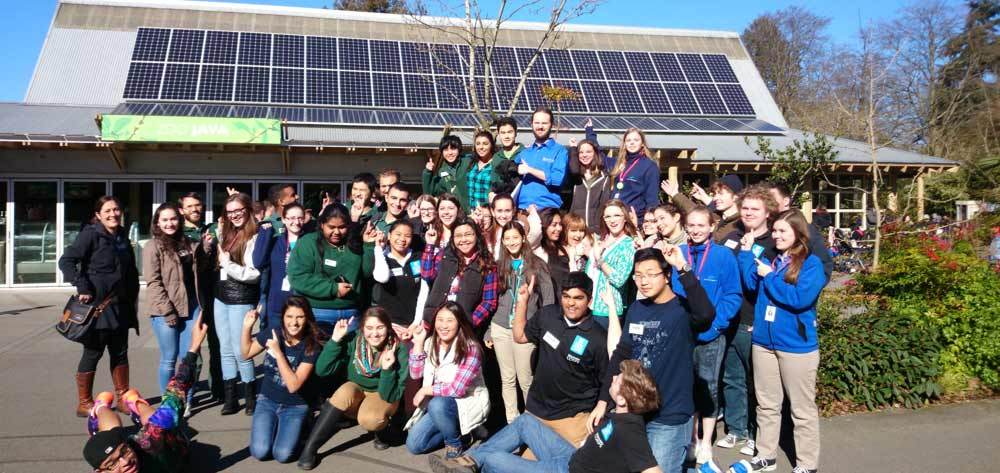
Microbeads cause problems in the ocean - and even end up in our seafood. Great news in ocean conservation: Today the Governor of California signed the toughest bill to date banning microbeads. Our research suggests that news events like this one offer an important, albeit often fleeting opportunity, to connect with guests on ocean issues. We encourage you, especially staff at zoos and aquariums, to take advantage of it! Why talk about this? Though the public is largely aware of the overall problem of ocean pollution in the form of visible plastic trash, anecdotal evidence suggests that people remain largely unaware of the specific problem posed by microplastics. At the risk of using the technical term, people are “grossed out” when they learn that microbeads can be found in a lot of their personal care products such as facial scrubs, even toothpaste. So today’s news offers an opportunity to communicate about this issue in a way that both the ocean and guests will appreciate. Show that positive change is happening How do we incorporate this message? It's awesome to draw attention to conservation successes when we ask people to take action. Here are some ways to incorporate this messaging opportunity: A simple message referencing how visitors “may have seen in the news how states are taking action to ban products with microbeads," Adding that we all can help by avoiding the purchase of soaps, scrubs, toothpastes and other products with microbeads until such time that these bans come into effect Giving a specific example of how eliminating microbeads helps a specific ocean animal Use of these messages is exactly in line with our the overall finding from our research that zoo and aquarium guests expect, trust and appreciate information about ways they can help the ocean and its animals. For those in states that already have taken action (note that California now joins Colorado, Illinois, Indiana, Maine, Maryland and New Jersey in taking action), it also can be an opportunity for folks to ‘thank their lawmakers.' Let us know how it goes! Photo credit Wolfram Burner.
Continue reading -

Congrats! New Innovative Solutions Grants+ awardees announced
For over 18 years, The Ocean Project has been advancing conservation in partnership with zoos, aquariums, museums, and other visitor-serving organizations around the country and the world. We’ve provided strategic resources and tools to help our network of partners effectively engage visitors, both onsite and online so that together we can solve issues in our backyards and around our blue planet. Thank you to our partner aquariums and zoos for all you are doing to involve your visitors and the public in conservation awareness and action! Together, we are making a real difference, as the movement is continues to gain traction. A few years ago – with great thanks to the National Oceanic and Atmospheric Administration (NOAA) – we launched an Innovative Solutions Grants+ Program (ISG+) to test different ways to engage aquarium and zoo visitors. ISG+ has focused especially on reaching teens and minorities, empowering them to help with solutions to ocean and climate issues. Through this program, we award grants to innovative zoo and aquarium leaders; the “+” in ISG+ refers to pro-bono strategic communications coaching we provide throughout the grant period and the catalyzing work we do to enhance peer-to-peer sharing. ISG+ is helping to accelerate individual and societal actions, with lessons learned benefiting the aquarium and zoo community as a whole. Thank you to all who applied for a grant this year. This is the third year of ISG+, and each time we receive stronger proposals from zoos and aquariums around the country. It’s not easy for our Advisory Panel to select the winners. Ideally, we’d fund many more of your excellent proposals, and we’re trying to raise the funding to expand this program (see below). We are pleased to announce the following ISG+ recipients for 2015-2016 support: Arizona-Sonora Desert Museum: Awarded $20,000 to engage university students in Tasting Sustainability, a community-based conservation initiative to increase awareness of seafood sustainability and decrease consumption of unsustainably caught or farmed seafood. Working with Tucson-based group, Lead Local, activities will engage the community, as well as enhance opportunities on the Museum grounds for visitors to help with seafood-related solutions. National Aquarium: Awarded $25,000 for a project that engages the Hispanic community in a small Baltimore watershed. Through on-the-ground education and leadership training, they will create a network of community members who will spread plastic pollution and marine debris prevention messaging through their neighborhoods and networks. This project will also connect to the Aquarium’s Living Seashore exhibit, which features five Shore Heroes – individuals and groups who have taken action to protect aquatic resources. They plan to develop a sixth Shore Hero, their first with an urban focus, who will make clear the connection between urban waters and the ocean, and as well as set an example for plastic pollution and marine debris prevention. Saint Louis Zoo: Awarded $15,000 to launch a project directed predominantly by teen volunteers via social media in high school peer networks and with Zoo visitors to tackle the growing issue of plastic pollution and marine debris (100 billion plastic bags are used annually in the United States, with less than 1% recycled). To address these issues in a relevant, actionable manner, staff and Zoo teens will develop a project to reduce plastic bags at Zoo retail locations, within teen volunteer peer networks, and among Zoo visitors. This project has the potential to impact the local community and beyond. Teens at Woodland Park Zoo Woodland Park Zoo: Awarded a second year of funding, at $30,000 to expand their leadership role with Seattle Youth Climate Action Network (CAN). CAN was established with ISG+ support in 2014 as an evolution of Woodland Park Zoo, Seattle Aquarium and Pacific Science Center youth programs. Through collective action, these organizations aim engage local teens in effective climate change leadership opportunities. Achieving their vision for Seattle Youth CAN as a replicable model depends upon their ability to continue to integrate new voices, relationships and resources. In 2015-2016, they plan to build upon the existing structure, by expanding the Network and its efficacy through various activities. Congratulations to the grantees! With all our partners, The Ocean Project looks forward to working with you in 2016 and beyond, to help effectively engage your visitors for conservation outcomes and impact. This round of support is the third year of a three-year grant from NOAA. In total, with NOAA funding, we have provided approximately $260,000 to 10 AZA-accredited zoos and aquariums. We're seeking partners to continue to expand this program for aquariums and zoos. We’re hoping to secure additional support in 2016 from NOAA, and/or other funding sources. The Ocean Project is also looking to partner with key aquariums and zoos to target joint fundraising opportunities through collaborative grant applications. If interested, please contact us!
Continue reading -

It’s in the bag! Lessons learned from the Better Bag Challenge
With kudos to the Houston Zoo, which provided the inspiration for what proved to be a very popular bag design! For World Oceans Day 2015, we teamed with the Aquarium of the Bay, Shedd Aquarium, Vancouver Aquarium, and the Virginia Aquarium and Marine Science Center to test and assess various approaches to the Better Bag Challenge. Our intent was to explore the ways in which we might effectively engage visitors on the issue of plastic pollution in our ocean, and inspire them to take action in honor of World Oceans Day, specifically by signing up for the Better Bag Challenge, which, as a reminder, was a pledge not to use disposable plastic shopping bags for one year. Thanks again to the Riverbanks Zoo, whose work under their Innovative Solutions Grant+ sparked the idea for the challenge! At these four sites, visitors were offered a reusable shopping bag (Production cost: $1 each) in exchange for taking the challenge and agreeing to complete a short follow up survey, but, here’s the twist, each site came up with its own approach and messaging so we were able to compare and contrast experiences. And in addition to the coordinated effort undertaken at these four sites, we were excited to also receive feedback from similar outreach experiments at the North Carolina Aquarium at Fort Fisher, Oregon Coast Aquarium, SEA LIFE Centers and SeaWorld Parks and Entertainment. Thanks all! What we learned Guests were eager to participate! Across all sites, the response from guests was overwhelmingly positive, with not a single report of anyone objecting to the ask, and, on average, 3 out of 4 guests who were asked then signing up for the challenge! So, once again, more on-the-ground evidence that the public opinion research is right – visitors really do expect, trust and appreciate information as to how they can help solve the problems facing our ocean. It helps to have an “attention-getter” – On this point, the four core sites also reported that the offer of a reusable bag was a great way to attract attention, facilitate the ask, and inspire action. At the Aquarium of the Bay, the staff tried to engage visitors without, and then with a reusable bag on offer, and response jumped from less than 20% to nearly 60%. Interestingly, Shedd Aquarium said they also were able to attract attention by providing a free granola bar. And Oregon Coast Aquarium had success by offering an opportunity for a selfie with a staff member dressed as a “bag monster.” So while we don’t know if an actual carrot would work, a proverbial carrot definitely did! Make a direct connection to the impact on the animals – The sites with the best response rates – Shedd and Virginia, which reported a combined average of more than 90% of guests who were asked agreeing to sign up for the challenge – please take a minute and read that again, 90+% - wow! - both sites identified the way in which they were engaging guests in front of exhibits that featured sea turtles, and using simple messaging about how avoiding plastic bags benefited sea turtles, as keys to their success. And notably, the visual proximity to the sea turtles seemed to be as important as the words spoken. Provide additional inspiration by “walking the talk,” and connecting individual actions with larger efforts – In addition to the above, the Virginia Aquarium was able to inspire guests by pointing to their own efforts to reduce, and in their case actually eliminate all plastic waste as part of a “trash free weekend.” Likewise SeaWorld sites could tout their own commitment, having eliminated all plastic bags from their parks last year. Not enough in this experiment to know if the institutional action was as inspirational as the impact on the animals, but prior experiments suggest it may be. There also were indications, both anecdotal and in the subsequent visitor survey, that the idea of connecting with the aquarium in a larger effort helped instill confidence that individual actions could make a meaningful difference. Keep the ask and explanation “super simple” – The participating aquariums also noted that the simplicity of the ask helped facilitate engagement, as guests immediately grasped the idea of avoiding disposable plastic shopping bags as a “good thing” and understood the way that doing so could help the animals by keeping plastic pollution out of our ocean. Offering additional information about the extent of the problem with marine debris, or giving additional choices as to other actions an individual might take seemed to be counterproductive. The only catch, this ask may have been “aiming too low” for some sites, as both Aquarium of the Bay and Vancouver Aquarium reported high numbers of guests who said they were already avoiding plastic bags when shopping. Track guest response, but how? The problem with email sign ups, and the potential in texting – At the four core sites, guests were asked to “sign” the challenge by providing their email, and, again, agreeing not only to use the bag they received but to answer a follow up survey. Guests were surprisingly willing to provide their email addresses, but collecting the email addresses proved to be time intensive and tricky for staff, and all sites had problems with transcription. Moreover, and perhaps more important, the response rates for the follow-up survey were, in a word, disappointing. Only 7% of those who promised to take the survey actually did so. On a much more promising note, SeaWorld, asked visitors to engage not through email but by sending text messages with MyActions, and indications are that this was better for both staff and visitors alike, but again that was while guests were still on site. Our earlier research tells us that even a promise made with the best of intentions can be forgotten once they’re back in the bustle of their everyday life. Oregon Coast Aquarium's bag monster Still wondering if there is a long-term impact on visitor behavior - While the survey response was, again, very low and not necessarily representative, and, noting that we know people are inclined to tell us what they think we want to hear, but even with that big grain of salt, there were at least some indications that things were moving in the right direction. A very positive response to the provision of the reusable bag, both as an inspiration for signing up, and as a reminder for maintaining the commitment. Indications that guests were still taking action, as when asked about their use of reusable bags when grocery shopping, for example, the average response was “approximately 30-40% of the time” for “prior to taking the challenge” (which is right in line with grocery industry surveys), but that jumped to “approximately 50% of the time” for “after taking the challenge.” Some suggestion of a “carry over” effect, as approximately two thirds of respondents also claimed that they increased their use of reusable shopping bags at stores other than the grocery, reducing their use of other single use plastics, and speaking with friends or family about the issue. And last but not least, they reported a high level of appreciation for having been asked to take action, as well as an above average belief that their actions could make a difference for the ocean. Again, we wouldn’t hang our proverbial hats on these survey findings, but they do suggest we were moving the needle in the right direction. Looking ahead We expected a positive public response to the Better Bag Challenge, but if you would have told us that some sites would see 80 and 90 percent sign up rates I’m not sure we would have believed you. Without doubt, visitors welcomed the chance to join us in taking action, and helping to solve the problems facing the animals and our ocean. And while as visitor serving organizations we have spent a lot of time and energy wondering if our impact on guests is lasting, perhaps that isn’t the most pressing question. If we see that people care about issues like plastic pollution, and are willing to sign on for action when inspired and, notably, asked to do so during their visit, perhaps we should worry less about whether their attention may fade when they return to their busy lives, and think more about how to bring their interests and actions to the attention of civic leaders and policymakers - perhaps that is our next challenge?
Continue reading -

-
Innovative Solutions: Three projects completed, some great advice, and new opportunities ahead!
The three winners from the initial round of The…
Continue reading -
ISG+ Update: Teens at Riverbanks Zoo and Garden get their hands dirty
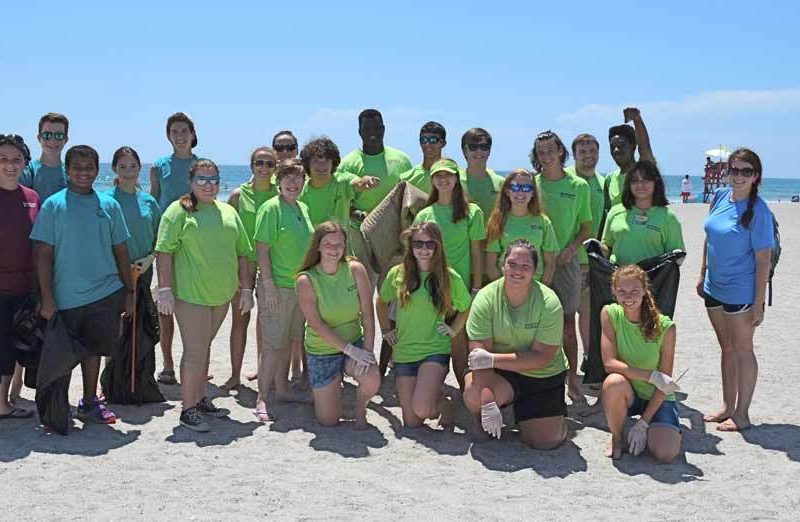
This guest post, by Director of Education Elizabeth Clemens and Coordinator of ZooTeens and Scout Programs Syndi Castelluccio, from Riverbanks Zoo and Garden is the second in a 3-part series on their Innovative Solutions Grants+ project, which investigates how engaging with teens and receiving incentives can impact zoo guest behavior. The Adventure Continues As reported in our initial blog post, the Riverbanks Zoo and Garden’s ZooTeen volunteers are on an exciting journey. They’re busy taking direct action and engaging our visitors in efforts to keep trash out of our ocean through an innovative initiative they’re calling Teen S.O.S. (Stewards of our Seas). You may have been wondering how far they have come in their efforts and, if so, here’s your answer! Getting Their Hands Dirty! Before giving them all the facts and figures about marine debris, we decided to have our ZooTeens roll up their sleeves and dig into the issue, litter-ally. They marked local storm drains, picked up trash along our very own river banks, and, after some sorting and scrubbing, even used some of it to create the “trash to treasure” artwork as part of the “inspiration stations” they’ve been developing. This “learning by doing” experience had a real impact on the ZooTeens. For starters, they were struck by the amount of plastic that they found during the waterway cleanups, and that, in turn, increased their interest in promoting reusable shopping bags as a solution step. In addition, several of our teens that have been with the program for 2-4 years commented that the zoo seems so much more productive now. “When I look at what we used to do in our monthly meeting and what we do now, it’s amazing how much we as teenagers can accomplish in our mass numbers” - Alyssa “The time goes so quickly, if we met more often we could get so much more done.” - Dillon This last comment was seconded by our Teen Volunteer of the Year, Samantha, who dedicated more than 300 hours this past year to the teen program and helping to spread our conservation messaging to our guests. We have seen a tremendous difference in the teens attitudes and dedication to the program since we changed our approach to getting them involved. They are more active, more engaged, and more confident – they are making a difference. Experiments in Outreach Staff is now working with the ZooTeens to test how effective they are in their efforts to encourage visitors to take action. To do this we decided to compare and contrast the experience of two groups, rather than three as we had initially proposed in our first blog post. 1. A “Control Group” that received the bag off site with no explanation other than, “please take the bag, use it and complete a follow-up survey” 2. An “Experimental Group” of zoo guests who while on site engaged with the ZooTeens and learned about the problem of marine debris before receiving the bag and agreeing to use it and take the follow up survey We had initially proposed comparing the above with a third group, guests who visited the zoo but did not engage with the ZooTeens, but decided not to include this group because it would have complicated the experiment, and we wanted to focus in on the influence of interactions with the teens at “Inspiration Stations.” With the “Experimental Group,” the ZooTeens also were interested in trying a couple of different ways to connect with our guests. While we wanted to encourage the ZooTeens’ creativity, we also made sure that the defining characteristics of our Experimental Group remained constant - all members of this group visited the zoo, interacted with a ZooTeen, were told about the problem with plastics, and then received a reusable bag. Inspiration Stations – As noted above, the ZooTeens set up an activity station or touch cart with biofacts in our Aquarium Reptile Complex, either by our sea turtle exhibit or at the exit away from any animal exhibit. The activities included: “It’s Not Easy Being a Green” – this activity allows a guest to do an endoscopy on a “stuffed” green sea turtle to determine what had made the turtle sick “Jelly Fishin’”– this fishing activity allowed guest to see how sea turtles could confuse plastic for food “All the Way to the Ocean” – demonstrated how debris from land makes it into our waterway “Washed Away” – shared the problems with microbeads in our common household products that we use daily The teens shared with us that they found it challenging to draw in guests to talk; however, when they had an activity, the guests flocked to the area. As one our teens, Abby, put it, “Having so many guests come to our activity allowed us to share the big issue at hand.” Information Booth – We also tried a stand-alone station near our guest relations center with our eye catching “bag monster ball” made of 500 bags tied together. We did give out a few of our reusable bags at this location, but it without the active engagement on the issues of plastics pollution, it didn’t seem to have the draw of the activities mentioned above. To date we have distributed 1500 reusable bags from a total of 2000, with 600 going to our “Control Group” and 900 going to our “Experimental Group,” and have begun requesting and collecting survey responses. Want our results? Stay tuned! -- Guest post by Elizabeth Clemens and Syndi Castelluccio
Continue reading -
ISG+ Update: Seattle youth CAN engage their peers on transportation
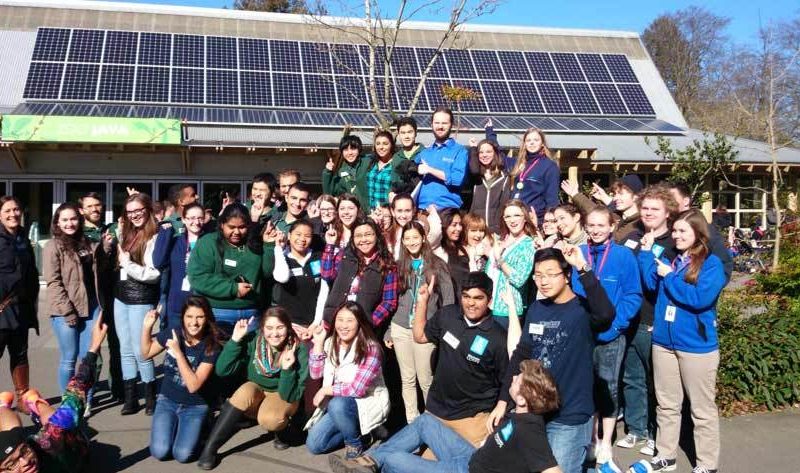
This guest post by Eli Weiss of Woodland Park Zoo is the second in a 3-part series on their Innovative Solutions Grants+ project, exploring how teens in the Seattle area can empower each other and their peers for action on climate change. Woodland Park Zoo, along with our partners the Seattle Aquarium and Pacific Science Center are working together to build the Seattle Youth Climate Action Network (CAN). The goal of this Innovative Solutions Grants+ project is to train and support teen leaders, helping them create a campaign that encourages their peers to take measurable action on the issue of climate change. Since our first post, I have been working closely with partner staff from each institution to keep this pilot year on course. In addition, I have continued outreach to local agencies and organizations to build local support and enthusiasm for the project. Seattle Youth CAN is picking up momentum - we have had a handful of successful events and have already learned a lot about starting a local youth network. Our training model for this effort has included engaging teen participants in hands-on action; a full day of instruction on climate science, communication strategies and local examples of climate action; and a campaign design workshop for the leadership group. Training Part 1: Leading with action We began our training with an inspirational day of action. In collaboration with Forterra and Green Seattle Partnership 30+ Seattle area teens planted over 200 trees and native plants along a high traffic bike path in North Seattle. The event was an energetic gathering, and participants enthusiastically planted trees to offset the Woodland Park Zoo’s carbon emissions through the Evergreen Carbon Capture Program. Training Part 2: Climate leadership workshop A month later, we brought 40+ teens from the three institutions to the Zoo for leadership training on climate change science, communication strategies, and action. To spark ideas for their own campaign, teens heard from local organizations and agencies and explored examples of climate action. Among the presenters were staff from Climate Solutions, Seattle City Light-Community Solar Program and Forterra. Each community partner shared their own work and pitched project ideas for how Seattle Youth CAN could partner with them. At the end of a full day of learning, participants shared which action campaign ideas they were interested in through a survey and small group discussions. Teens left the workshop energized and ready to get Seattle Youth CAN off the ground. Training Part 3: Campaign design workshop for youth leaders As the next step, a climate campaign design committee was formed with teen representatives from each institution. This committee met every other week to come up with a focus and plan for a summer action campaign. I facilitated this group process along with support from staff from our partner institutions. Rather than reinventing the wheel we used existing models for campaign design, including “Planning to Win”, and committee members participated in a workshop on ‘behavior change’ from our in-house audience research experts. The committee hosted teens and staff from the Oregon Coast Aquarium’s Unplug for an OA campaign, and participated in a King County community forum to gather their input to help inform an updated Climate Action Plan for the County. We received great feedback from teens and staff about starting the training with an action event, as well as the content of the full day training. One thing that we would do differently would be to make the “communicating climate change” piece its own, more in-depth, workshop. During this training we included it with the climate science overview and examples of local community action, so weren’t able to dig in as much as we wanted. Crafting the pilot campaign After several months of research, planning, and meetings, our campaign design committee chose a transportation action campaign to launch later this month. Their research and interaction with city and county experts found that over 45% of Seattle’s CO2 emissions comes from local transportation choices. The group felt that making smarter transportation choices would was something their peers could actually do to measurably reduce their carbon emissions. While they are still working out the details with the message and tactics, we know the teens will be inviting their peers to participate in a challenge to reduce their carbon footprint by increasing their use of public transit, biking, walking and carpooling. With the help of our evaluation staff, the group developed an evaluation plan using an online platform hosted by King County Metro’s Ride Share Online program to track participation in the challenge. At the start of the challenge, participants will complete a baseline survey to help the group to measure behavior change for participating teens over the course of the month. In addition, we will be working with local transportation agencies and organizations to increase teen awareness of how to make smart transportation choice through events and activities. Teen leaders at each institution will promote the challenge with their peers and they hope to engage 100+ participants in action. Expanding interest Since our action event and full day workshop earlier in the year, we have continued to organize monthly Seattle Youth CAN events. These events are designed to enable other teens from the three institutions to get involved and deepen their understanding of Seattle Youth CAN and related climate change issues. Last Thursday, for example, teens organized and hosted an event at Woodland Park Zoo, “The Impacts of Climate Change on Wildlife.” We had over 60 youth attend the full day event which included presentations from local climate scientists from NOAA and The University of Washington, as well as youth led climate focused tours of the zoo and community building activities. More than half of the teens who attended were new to Seattle Youth CAN and we were excited to see the continued enthusiasm for our growing network. Learning as we go We’re feeling good about our progress the identity that we are building through the network, the trainings and events that have been well attended by our teens, and the support we have received from our partner institutions and community supporters. Our teen leaders and other members of the network are eager to finally launch the action campaign and be able to share with their institutions and peers how they plan to take action to reduce CO2 emissions. A big challenge so far has been finding the balance between structured workshops and committee meetings to best provide the room for our cross-institution teen leadership group to innovate and take ownership of the campaign. Creating a structure for truly youth driven action and leadership, while providing participants with enough resources and support is at the core of our program model. Our teens live busy and complex lives and creating a leadership opportunity with the right mix of structure and space is something we continue to work on. After many months of supporting the group in moving their planning forward, we are proud to announce that the challenge officially launched this week! Next moves For teens in Seattle Youth CAN, August will be a month of action and learning as they work to engage their peers in behavior change, focused on making sustainable transportation choices. In September teens and staff will also focus their efforts on planning for the Youth Climate Summit that we will host on October 10th at Woodland Park Zoo. At this event our campaign leadership group will have the opportunity to share the results of their transportation challenge with a large audience of peers. We also see this event as the opportunity to expand our network beyond the current three institutions and invite other Seattle area teens to join Seattle Youth CAN. I believe that with continued support, we can expand this network to be inclusive of all youth in our area who want to get involved in climate action. I am also hopeful that, as we refine our model, it will be something that can be shared and used by groups around the country looking to engage youth in collective action. What gives me hope Skylar Widman, a high school intern at WPZ and active member of the climate campaign design committee, recently shared his experiences in Seattle Youth CAN with educators participating in our Advanced Inquiry Maters Program: “Before CAN I tried to make choices that helped the environment and now I realize that there are many other teens that what to take action and that as a group we can have a greater impact in fighting climate change.” -- Guest post by Eli Weiss of Woodland Park Zoo
Continue reading -
ISG+ Update: A Collaborative Approach to Community Engagement at the Florida Aquarium
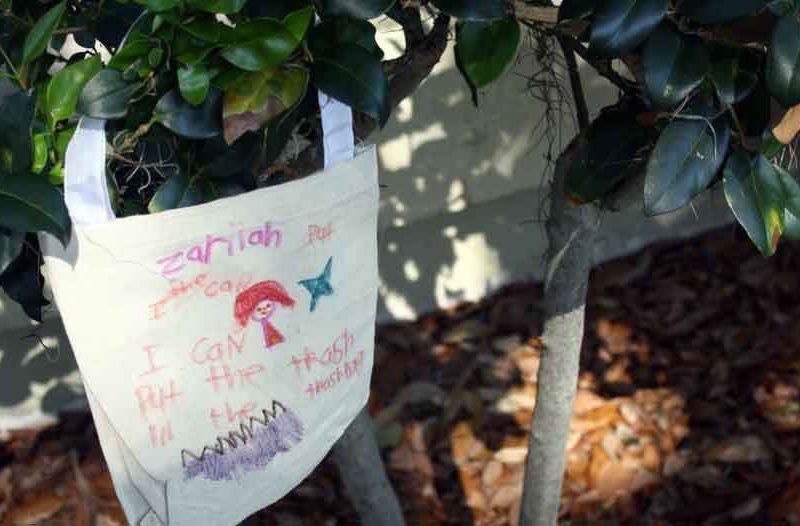
This guest post, by VP of Education Debbi Stone at Florida Aquarium, is the second in a 3-part series on their Innovative Solutions Grants+ project. The Aquarium’s project asks “Can we gain valuable insights about how to engage an underrepresented audience by working together to design the approach?” Click here to read the previous post in this series. What We Set Out to Accomplish The key components of the project so far have included: Work with DeSoto Elementary School’s teachers to plan the best way to design, schedule, and complete the project over the school year Provide the necessary materials and resources to complete projects Engage approximately 200 students in grades K-5 to identify ocean issues and actions that are relevant and meaningful to THEM Help students and teachers create an idea for a conservation ask Share these ideas back with the community and Aquarium visitors Choose one or more of the student-designed asks for staff to refine test over the summer with Aquarium visitors Working with the students was rewarding, and has included visits to the school as well as field trips to the Aquarium. To begin, we reviewed the age-level requirements from the school district and structured our content and activities to align with what the students were already scheduled to learn at key points in the year. This allowed teachers to include this project seamlessly into their classrooms, which was essential, as we had heard from them that it is often challenging to “add something new” or otherwise modify their plans for the year. What Are the Outcomes…So Far? The benefits of the partnership to date have been numerous. The teachers were excited to receive science and environmental education support from Florida Aquarium staff, and the project brought resources to the school that would not otherwise have been possible. From science supplies to consumables, books to posters, the students and teachers were delighted to have access to science materials in both English and Spanish. From the Aquarium’s perspective, it was rewarding to experience the enthusiasm of the school community as they utilized the materials throughout the year while completing their projects. It was also fascinating to hear about topics of interest to the students, as those they selected were diverse and included focus areas such as watersheds, sustainable seafood, “keeping wild areas wild” (responsible wildlife viewing and interaction), pollution, and opting for reusable bags over paper or plastic. An initial challenge was the way in which the concept of advancing conservation through an “ask” or call to action was new to all grade levels. Students were already comfortable with learning the science content and environmental information, yet the next level of how they might use that knowledge to help inspire others was a new venture. Aquarium staff worked diligently with the teachers and students to help them move from “building knowledge of a watershed,” for example, to what a call to action for “helping to conserve a watershed” might be. A great deal more time than expected was spent on this, yet we knew from The Ocean Project’s research that it was needed. From our perspective, we now recognize that “diving into a discussion of a call to action” is likely a greater leap for most than we had realized. This helps us to rethink our strategies in working with our partners, as many of them may be unfamiliar with the application of knowledge as a means of moving an audience to the next level of engagement. An a-ha moment came with the recognition that the students and families involved had similar interests to what we tend to discover with other audiences. Notably, we found that the connection to wildlife and the animals was as important to the Hispanic families from DeSoto as it is for other audiences with whom we work. So a key learning point from this project is that the key to our success may be less about changing or translating our message and more about rethinking our methods. Traditional marketing approaches may fall short, yet working with specific schools can be a successful model. And through this project, we connected with a representative from the Mayor of Tampa’s Hispanic Heritage Council, and she has eagerly agreed to work with us on those methods for better engaging the Hispanic community. The initial phase of our project culminated in a win-win for all involved - Family Day at the Aquarium on May 9th, 2015. The students and their families were proud to act as experts, sharing what they had learned with our diverse visitors, while also encouraging them to consider the calls to action, the ways visitors could help with some simple behavior changes in their own lives. The content was enjoyable to our visitors, who clearly enjoyed engaging with the students, and both the students and our visitors likely learned a great deal in the process. The “asks” they presented included choices around the issues of paper/plastic/reusable bags, organic versus non-organic food, pets/exotics, litter and debris, ocean-friendly seafood, and more. And the approaches to these asks were creative and fun, from making art with “trash” rather than adding it to landfills, keeping a personally-decorated bag in one’s car to collect roadside litter, to becoming a better wildlife photographer rather than striving to “touch” or interact with wildlife. While the asks were not specifically targeted to Hispanic audiences (Family Day was held on a Saturday that reflected our typical diversity of audiences), the recognition previously cited that the student’s interests and enthusiasm mirrored other audiences likely contributed to their asks resonating well with our daily visitors. How Are We Moving Forward? At this stage of the project, we are working on adding some “professional polish” to one of the student-designed calls to action so that we can continue to use it on a regular basis with Aquarium visitors. While we had anticipated going with a unique or otherwise unexpected “ask,” the one that seemed to resonate most with our visitors was the reusable bag call to action as a way to help the animals and address the problem of marine debris. The information presented by the students on this topic seemed to generate the most conversations, the highest number of “surprised” responses (“I never knew that…”), and also the one that visitors felt could be easily accomplished by all ages and backgrounds, yet also make a huge impact. We are now working on strategies to help illuminate the impact of choosing of a reusable bag over a disposable one, including more animal “stories” beyond the problem of accidental ingestion. We also need to develop an evaluation plan, as the students were not able to include that in their ideas. We had already incorporated a reusable bag message into our pathway, doing so even before this project to a sporadic degree, so our work now includes a more formal and organized approach that also includes visitor follow-up. The follow-up component challenges us in this project, as it has with others, as we’ve found that our visitors can be hesitant to provide contact information, but we will look to the successes and lessons learned from the recent “Better Bag Challenge,” and continue to make headway on strategies that incentivize follow-up with our audiences, including our Hispanic audiences. We also plan to gather with the teachers again this fall, as almost all of them are returning to the same school, to discuss the elements of the project that are likely to have the most long-term impact on the school and its students. We will also share with the entire school how their work with us this past year will have long-term impact! Furthermore, we intend to expand our efforts to better reach the Hispanic community by identifying key engagement contacts and organizations, such as the aforementioned Mayor’s Hispanic Heritage Council. In our next blog, we will share information about our continued efforts to motivate our visitors to opt for reusable bags over disposable paper or plastic bags. We will also address our successes and challenges in following up with our visitors after we engage them with this call to action. Are they doing it? And how do we know? About the Author Debbi is VP of Education at the Florida Aquarium and has been challenging herself and others to move beyond information… and onto action! She enjoys living in harmony with all things furry, scaly, feathery, and slimy, whether on land or under the water. She is always eager to work with The Ocean Project and its partners and considerations collaborations key to making a positive difference in the world.
Continue reading -
Seas the Day in June – Explore the Outdoors!
The Seas the Day initiative encourages and empowers people…
Continue reading