-
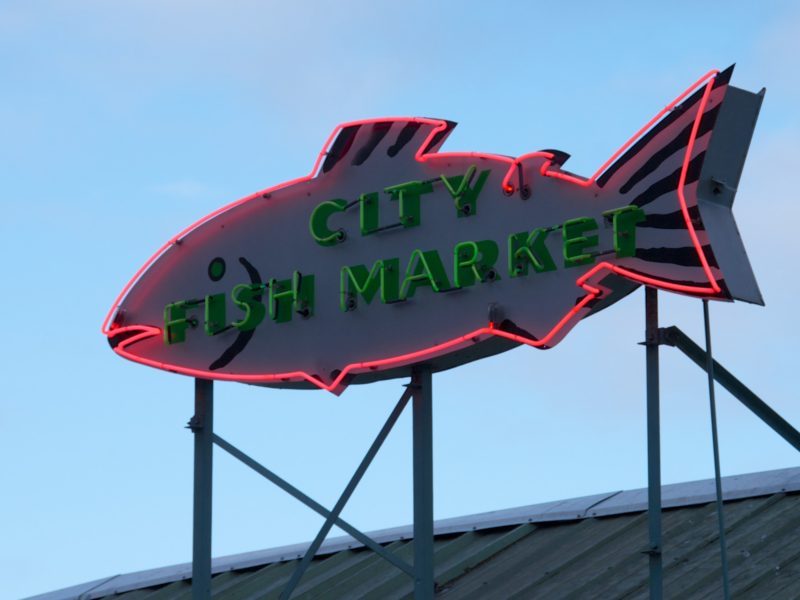
Nothing fishy about engaging visitors on fisheries issues
In his recent post The Ocean Project’s policy advisor, Tom Adams, underscored the importance of protecting the policies that protect our ocean, and referred to the need for…
Continue reading -
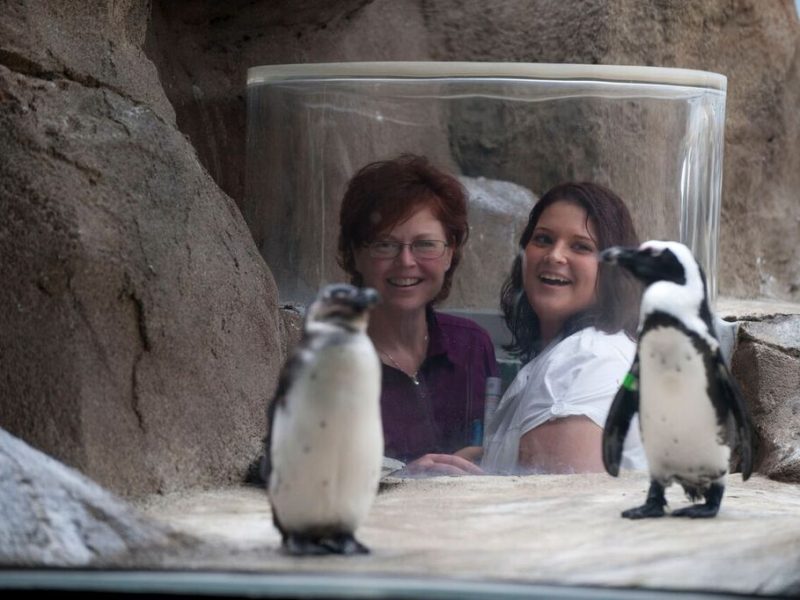
Communicating Conservation Effectively with Zoo and Aquarium Guests
Conservation is the action of protecting and rejuvenating ecosystems so that the plants and animals within them can thrive indefinitely. If those inhabitants could accomplish this on their own,…
Continue reading -
The Ocean Project launches new initiative to promote science-based federal fisheries policy and healthy, sustainable marine ecosystems
Healthy and productive marine ecosystems are critical to sustaining food, jobs, and recreation for millions of people, as well as producing other intrinsic quality of life benefits. To have…
Continue reading -
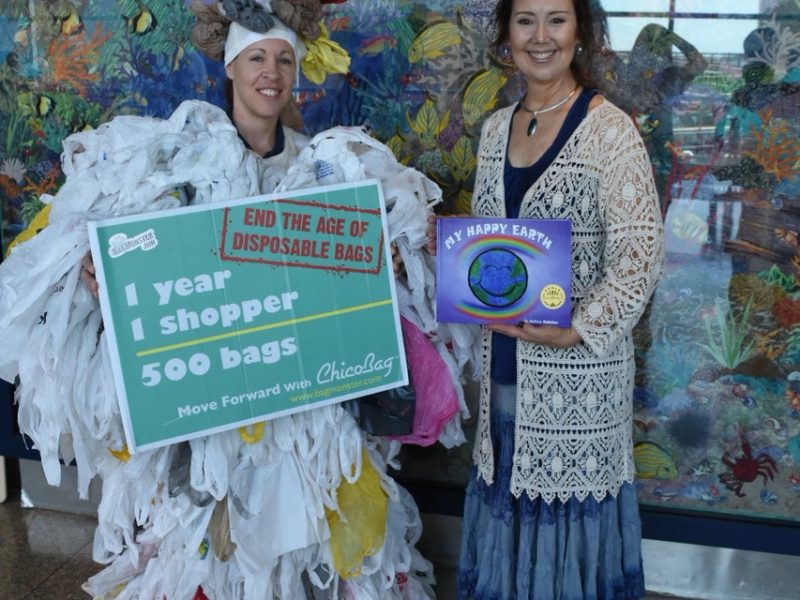
Pilot project shows that engaging visitors in conservation efforts can inspire commitments and enhance experience!
During the week surrounding World Oceans Day, 12 zoos, aquariums and museums (ZAMs) participated in a pilot project that had them asking their visitors about helping to address the…
Continue reading -

The results are in! SEA LIFE Trust and SEA LIFE Aquariums vote for Marine Protected Areas
Based on a successful pilot, the SEA LIFE Trust and SEA LIFE Aquariums in partnership with The Ocean Project rolled out an effort to engage visitors at all of our American aquariums on the issue of marine protected areas. The pilot gave us confidence! It confirmed that our visitors expect, trust and appreciate information from aquariums about how to help the ocean and its animals, and that they especially liked the opportunity to “vote” in favor of expanding our nation’s network of marine protected areas. Marine Protected Area Ballot The pilot identified an opportunity. We realized that by engaging our visitors and documenting their opinions on this issue, we could give every-day Americans a voice in a discussion that otherwise might be dominated by special interests. This was a role that among all the conservation organizations working on this issue, we were best equipped to do. So we took our initial idea as piloted, and revised it slightly. Rather than asking our visitors a simple yes/no question about their support for marine protected areas, we asked them to choose among four sites we knew to be currently under consideration, while also providing an opportunity to answer with all or none of the above. And we developed a web site to reach those beyond our gates: Our Blue Backyard. Thank you President Obama! Our eight sites collected nearly 30,000 votes in six weeks and diligently counted them all! Yet again our visitors showed that they were strongly supportive of expanding our nation’s network of marine protected areas, with 97% voting in favor of adding one or more sites, and “all of the above” receiving the highest number of votes. And while we did not do another set of exit surveys, the anecdotal feedback from the visitors was also overwhelmingly positive. Most important, we were able to share these views with national leaders at a critical time, right as President Obama was deciding to expand the Papahānaumokuākea Marine National Monument off the coast of Hawaii, and create the Northeast Canyons and Seamounts Marine National Monument. If you would have told me just a few months ago that by the end of our effort two of the four areas would be protected, I’m not sure I would have believed it, but yet that is exactly what happened! We were able to thank our visitors for joining us in support, and then on behalf of our visitors reach out to thank the President. Engaging our visitors, asking them to participate, and documenting their opinons is certainly an approach that worked well! We also, however, learned some valuable lessons along the way about how best to do so. We were reminded of the power of the on-site visit, and the way that inspires guests to want to help animals. We just need to provide them with an easy way to turn that inspiration into action! We saw the benefits of having a relatively simple and straightforward engagement strategy best exemplified by the initial yes/no voting exercise. While some of our visitors wanted to know more about the specific sites being considered, many more simply wanted to express their support for conservation. While many of us “old timers” at aquariums and zoos think about our impact on the indiviudual visitor, we found here a great example of what can be done when taking a more systemic view about how we could help bring the collective opinion of our vistiors to the attention of our national leaders. And we noted that it was best to be flexible in our approaches. For example, we began thinking it would be more efficient and effective to engage guests at ticketing, but most of our aquariums, including the one with the best results (SEA LIFE Arizona Aquairum) found that it was far better to create a separate space. Although it would have required additonal effort, looking back it would have been nice to have done the exit surveys not just for the pilot but for the full campaign, as those exit surveys so strongly suggested that by engaging visitors and aksing them to participate, we also helped increase their sense that together we can solve these problems, as well as their understanding of the improtant role aquariums and zoos can play in advancing conservation. The biggest takeaway of all was that we can, and in my view should be doing more together with our visitors to help advance conservation – it truly is a win-win. And with that, I am already excited about our next effort. This guest post was submitted by Chris Andrews, Head of Animal Welfare and Development at SEA LIFE Aquariums in the US.
Continue reading -
Shedd Aquarium Pledges to Protect our Blue Planet Year-Round
This guest blog comes from Aislinn Gauchay, Assistant Director of Great Lakes and Sustainability at Shedd Aquarium. Shedd Aquarium is a Supporting Partner of The Ocean Project. Earth. The third rock from the sun. Our humble planet has many names, but what makes our Blue Planet truly unique is what covers 71 percent of our surface and without which life would not exist: water. Oceans are the heart of our planet: they shape weather and wind, are home to one million animal and plant species and are the primary source of protein for more than 2.6 billion people. Oceans serve as the foundation for a delicately balanced food web that supports all life, from the Marianas Trench to the top of Mount Everest. Our oceans and the animals that call them home are critical to sustaining life on earth, human life included. However, our relationship to and dependence upon healthy, abundant oceans is not universally acknowledged. The most critical threats to our oceans are produced by human activity, such as overfishing, habitat degradation and pollution. More than 8 million tons of plastic trash end up in the ocean every year, including millions of disposable plastic bags and bottles. Though our oceans are often uncelebrated, there is one day out of the year where a plethora of organizations like the Ocean Project and Shedd Aquarium team up to celebrate what makes our planet blue on World Ocean’s Day. For this year’s celebration, the Ocean Project and singer Jack Johnson ignited the #WaveForChange challenge, asking people to do something to help our oceans. Shedd Aquarium’s President and CEO Dr. Bridget Coughlin took the #WaveForChange challenge on behalf of our organization and pledged to continue to reduce our plastic usage, spread the message, and encourage others to join us in making a difference. Shedd Aquarium is taking action on the issue of plastic pollution in our ocean and is constantly looking for ways to reduce our use of this seemingly omnipresent commodity in innovative ways. We started small, by providing reusable bags instead of disposable plastic bags, installing reusable water bottle refilling stations, and eliminating plastic straws onsite. Our goal is to continue this initiative at Shedd, in our community, and throughout the country. For example, during this year’s Louis Vuitton America’s Cup World Series event in Chicago, we worked with race organizers and sustainability partner organizations 11th Hour Racing and America’s Cup Endeavor Chicago to inform event attendees and thousands of guests visiting Chicago’s landmark Navy Pier about the impact of plastic pollution on our lakes and oceans, offering them an opportunity to pledge to reduce their household plastic use. In 2015, we extended our commitment to freshwater and marine conservation at a higher level by joining forces with two other aquariums, Monterey Bay Aquarium and National Aquarium, to form the Aquarium Conservation Partnership (ACP). As a co-founder, and thus an executive committee member, Shedd works with fellow industry leaders to advance ocean and freshwater conservation policy goals. This includes advocating for the expansion of marine protected areas and increasing protection for exploited species. At Shedd, conservation is critical to everything we do. Whether it be sourcing only sustainable, restaurant quality seafood for our animals or pledging to reduce our use of plastic, Shedd believes we can all take steps and make a big difference toward protecting and preserving our oceans. We can do more together than alone. You can learn more about Shedd’s conservation initiatives on our website.
Continue reading -
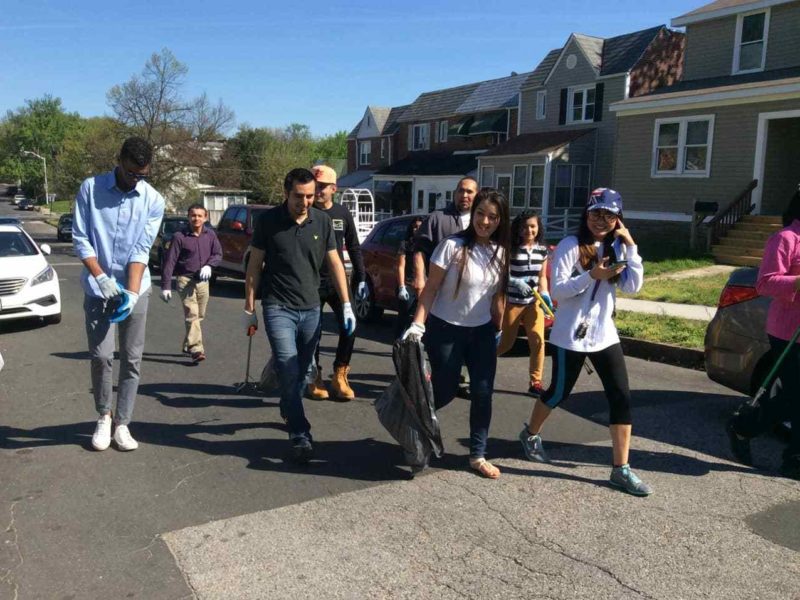
ISG+ update: Connecting Ocean Conservation and Community Engagement at the National Aquarium
This guest post, by Gabrielle Roffe and Curtis Bennett of the National Aquarium’s Conservation Department is the second in a 3-part series on their Innovative Solutions Grants+ project. This project will be addressing the issue of marine debris by implementing a new approach to community engagement, with a specific focus on building our connection with the Hispanic communities near Masonville Cove in the Chesapeake Bay. Review of Project Goals Through this Community Engagement and Environmental Stewardship Project, the National Aquarium’s Conservation Department is focused on building connections with the local Hispanic communities within the larger Brooklyn and Curtis Bay communities and addressing the problem of litter and debris. The specific goals of the project, as described in our initial post, have been two-fold: Engage members of the local Hispanic populations in the removal of debris Cultivate community champions in order to ensure ongoing engagement Step-by-Step Process The first and most important step for us was to identify “pillar organizations” within the local Hispanic Community. In each and every community, there are existing organizations, congregations or schools who serve community members in a variety of ways. We felt it was important to reach out to and ultimately collaborate with these groups, rather than going at it alone, because they have the prior trusting relationships with the communities and, as a result, they can provide that connection and help to bridge the gap between our organization and the community itself.For our project, we have wanted to ensure that our programs are engaging people of different ages, backgrounds and interests. With that in mind, we specifically targeted three pillar organizations that also shared our interest in addressing the issue of litter and marine debris: The Templo de Alabanza Y Restauración (TAYR) Congregation Lakeland Elementary/Middle School Parent Group and ESL students at Ben Franklin High School at Masonville Cove. Over the course of our project so far we have been fostering relationships with each of these groups and in the following paragraphs we’ll outline our engagement with each group to date. TAYR TAYR is a Hispanic religious congregation that hosts weekly services at the Pathway Church of God, located within the Brooklyn community. We scheduled an initial meeting with the Pastor and his wife, during which we explained our organizational mission and they immediately connected to the importance of community work and protecting the natural environment. It was very relatable to them, because they told us that in the areas where they come from, in their countries, nature is abundant, and they recognize its value and thus appreciate the value of nature in their current communities and at Masonville Cove. TAYR congregation members painting storm drains outside their church Once we had the support of the congregation leaders, we then started to branch out to the congregation as a whole. We attended Sunday school and church services to talk about the various events at Masonville Cove and our community workshops, such as our Watershed 101 workshop, which we were offering in Spanish. The Pastor and his wife also suggested hosting a community cleanup after Church services. The planning of the event was a truly collaborative process, working with them to finalize the structure and flow of the event. Normally for debris clean-ups, our staff is responsible for leading groups of participants; however, for this community clean-up we adjusted the model to allow congregation members to be group leaders. We believed that empowering them to lead fellow congregants and community members would lead to a higher likelihood of sustainability of these efforts. So the Pastor and his wife recommended members of the congregation to be group leaders for this community clean up. A group of TAYR congregation members during a community cleanup Successes Met with the Pastor and his wife 4 times to discuss our collective programming goals. These meetings were a great way to share our collective ideas on what types of programs are of interest to the congregation and methods to best engage their congregants. Talked to 65 adults and 50 youth during two visits with the congregation to inform members about upcoming events. This method of event promotion is successful because you are being directly introduced by the Pastor, a respected leader, and you are then able to reach a larger audience. Engaged 80 adults and 34 youth during a community clean-up on April 24th. Participants also stenciled 5 storm drains during the event. The Pastor and his wife assigned their congregation leaders as our cleanup group leaders for this event. The congregation leaders then brought their cohorts to the cleanup which resulted in a wide attendance. Lessons Learned Hosted a Watershed 101 workshop at Masonville Cove with 3 attendees. The attendees were the Pastor and his two sons. We learned that we had the Pastor’s buy in for our work, but our message had not reached the congregation by simply talking to them about the event at church service. The Pastor felt disappointed that his congregants did not come to an event, however he did see that our work and associated projects are not only important but that they are fun and engaging. After this event, he took a bigger leadership role in order to ensure that his congregation was engaged. Students from the Youth Group were planning to come to our April 2nd Masonville Cove clean-up, however due to inclement weather, they were unable to attend. We learned that targeting a specific group within the congregation is a great way to get a focused attendance. The youth group and the congregation leadership group are tight cohorts who will come together when requested by the Pastor and his wife. Gaby Roffe (right, National Aquarium) and Nia Edwards (left, Hispanic Access Foundation), instruct TAYR congregation members for storm drain stenciling with stencils in English and Spanish. "Basura de nuestra calle contamina nuestra bahía" which means "Trash on our streets today pollutes the waters of our bay" Ben Franklin High School Over the years, we have built a very strong relationship with Ben Franklin High School (BFHS), as their students participate in many of our environmental education programs. Courtesy of this project, we have been able to engage them on a different level, focusing specifically on their community and collectively determining solutions to local environmental issues, specifically debris accumulation. BFHS has a growing Hispanic student population and English as a Second Language Program. Due to the language barrier, our past programs weren’t doing as good of a job as they could be to engage these students. Having staff on board now that are learning to and/or can speak Spanish fluently has been a huge step in the right direction. Now we can truly ensure that our programming is all-inclusive by translating programming into Spanish and making an effort to reach out to Hispanic students. We’ve coordinated various workshops with the Environmental Science teachers and worked with administrative staff to plan Benfest, a community event hosted by BFHS. Successes Engaged 39 students during 3 Watershed 101 workshops. Engaged 52 students during a classroom visit and schoolyard walk focused on stormwater runoff and designing possible solutions. Engaged approximately 800 people at Benfest, during which participants received and decorated 45 recycle bins, stenciled 3 storm drains and picked up trash around the schoolyard. Lessons Learned We targeted the Environmental Science classes which had already been engaged through our Watershed lessons. The teacher informed us that she had many ESL students in her classes and it would be helpful to lead groups in English and Spanish. All of the students were excited about this, both the Spanish speaking students, who were excited to have programming tailored to them, as well as the students who did not speak Spanish, who were excited to hear translations. Partnering with an existing community event is a successful way to engage a wider audience. We were able to pull new community members into our programming and engage larger numbers in hands on community stewardship activities. Lakeland Elementary/Middle School Parent Group Lakeland Elementary/Middle School has a Hispanic parent group that hosts monthly breakfasts. We have attended in order to hand out flyers, highlighting different events, both in the community and at Masonville Cove. Through this group we have connected the Hispanic community members to Masonville Cove and learned about their programming interests. Successes Attended one parent breakfast, during which we talked with 28 people about upcoming Masonville Cove and community events Lessons Learned The majority of the audience was unfamiliar with Masonville Cove and their programming. They did exhibit initial interest in programming, although it has been challenging to follow up with this group because we do not have their contact information and they only meet once a month. We may have to explore and implement different strategies in order to engage this group. Moving Forward In the past we did not use a direct approach to connect with Hispanic communities, so we cast a wider net throughout the community to advertise programs and events. This community pillar strategy is proving successful in allowing for a more direct and focused approach to identifying, selecting and engaging specific audiences and building trusting relationships with them for continued involvement. TAYR congregation members clean the streets of Brooklyn, Baltimore We have learned that in order to build trusting relationships with cohorts, it is important to communicate on a regular basis with the group leaders, who are trusted by community members. When the leaders vouch for your events, community members are more likely to attend. It is also important to attend community events that might not necessarily be related to your work, but helps build a relationship that is a two-way street. Based on the results to date, we will focus the majority of our efforts over the summer towards the TAYR congregation, continuing to involve them in community clean-up events, workshops and field trips to Masonville Cove with their Youth Group. As we progress we will be able to identify community champions from this congregation as well as identify opportunities to partner and engage with other community pillars.
Continue reading -

ISG+ New Project: Connecting Ocean Conservation and Community Engagement at the National Aquarium
This guest post, by Gabrielle Roffe and Curtis Bennett of the National Aquarium’s Conservation Department is the first in a 3-part series on their Innovative Solutions Grants+ project. This project will be addressing the issue of marine debris by implementing a new approach to community engagement, with a specific focus on building our connection with the Hispanic communities near Masonville Cove in the Chesapeake Bay. Part of our mission At the National Aquarium, we view connecting with students and community members as a core function of our mission to inspire conservation of the world’s aquatic treasures. Our Masonville Cove Community Engagement and Environmental Stewardship Project is just one of the many ways we are trying to accomplish this. Masonville Cove is an Urban Wildlife Refuge in south Baltimore that is managed in partnership with the Maryland Port Administration, the US Fish and Wildlife Service and Living Classrooms Foundation. It is a 125-acre natural area, and an important green space for the surrounding communities of Brooklyn and Curtis Bay. Masonville Cove debris cleanup We began this project a few years ago by working with community stakeholders, including residents, local environmental non-profit organizations and even city officials, to identify and address environmental issues. We hosted community meetings that ultimately resulted in the publication of a Small Watershed Action Plan (SWAP). Not only does this document identify environmental issues of importance to the community, it also provides suggestions for how and where to address those issues. For example, it recommends an effort focused on a common concern about the litter and debris that all too often ends up in the ocean. Reaching a new community While we had been doing good work with the communities of Brooklyn and Curtis Bay, we also knew that we weren’t adequately reaching the Hispanic populations within those communities. According to the 2011 Neighborhood Health Profile (Baltimore City Health Department, December 2011), the Hispanic population accounts for 9.8% of the total residents of the area. This percentage is higher than that (4.2%) of Baltimore City overall. Estimates from the U.S. Census Bureau indicate that nearly 40 percent of Hispanic residents of our target communities either speak no English at all or “not very well.” Additionally, this community includes individuals from or with ancestry from Mexico, Cuba, Puerto Rico and other countries. So not only will we need to translate materials into Spanish, but translate projects culturally as well. So under this grant we are specifically focusing building connections with the local Hispanic communities and addressing the problem of litter and debris. In order to accomplish this, we are going to try a more focused and innovative approach to community engagement, as outlined by the following goals: Engage members of the Hispanic populations in the removal of debris throughout the Brooklyn and Curtis Bay communities. We will begin by meeting with community groups, such as Hispanic congregations and local schools with English as a Second Language (ESL) programs. ~We will gather feedback to understand how the issue of litter and debris is important to the community, and work together to ensure that our efforts are collaborative. ~We plan to host debris cleanups that directly address the litter/debris problem, noting the number of community groups/members participating and the amount of trash collected. Cultivate community champions in order to ensure ongoing engagement. ~We will work with community members to develop workshop(s) on topics of mutual interest - such as on the concept of a watershed or gardening for wildlife - fun and interactive ways to build community conservation leaders and engage more residents. Masonville Cove debris cleanup ~Over the course of our program, we also will identify an individual from these communities and recognize them as a community champion, a “Shore Hero," as part of our Living Seashore exhibit at the National Aquarium, as a way to draw even more attention to our collective efforts and deepen the community’s connection to the Aquarium. The next steps to reach our goals are to continue building relationships and developing programs to meet the needs of the community. By forming and ultimately maintaining these relationships within this community, we believe we can provide a “win” for the residents, the aquarium and the ocean too! --Guest post by Gabrielle Roffe and Curtis Bennett of National Aquarium
Continue reading -

Zoos and aquariums: Highlighting your mission is good for business
More evidence from our friends at IMPACTS that doing well by your mission helps you do well at the gate. As those who know me may have heard me say one too many times already, but here it is once more: visitors expect, trust and appreciate when aquariums, zoos, museums and other visitor serving organizations are active in advancing their missions. For environmental issues, we've found this is especially true when organizations provide their visitors with specific ways to be part of the solutions to the problems facing our planet. Let visitors know how they can join with you to help protect specific animals and particular places, and ideally give them something to do then and there. Here’s Colleen’s video overview of their findings. For more on how to do so, and the lessons we’ve learned with our partners, check out our other blog posts such as the lessons learned from the first year of our Innovative Solutions Grants Plus Program or our initial round of the Better Bag Challenge. Why not take those lessons and give the Better Bag Challenge a go next Word Oceans Day? Now you can do so with even more confidence that visitors will thank you for it!
Continue reading -

10 ways your zoo or aquarium can reduce plastic use
There is growing public awareness about the troubling accumulation of plastics in the environment, particularly in the oceans. Luckily, we are in a unique position to turn the tides on plastic use and disposal. Association of Zoos and Aquariums accredited institutions are trusted conservation organizations with millions of visitors annually. We can lead by example through the way we operate our businesses, and as The Ocean Project has reported, our institutional actions can help inspire our visitors, staff, and volunteers to make greener choices too. Reducing disposable plastics is critical for the health of our ecosystems and ourselves. And we know that our institutions want to take action, but where to begin? The AZA Green Scientific Advisory Group (GSAG) is here to help, supporting AZA institutions to make greener business operation choices and offering information on latest sustainability research and trends. The AZA Green Guide was created to help AZA institutions create their sustainability roadmaps, while allowing enough flexibility for individual institutions to identify their operational priorities. And in that spirit, here is a top ten list created by the GSAG, steps to help your operations be less reliant on disposable plastic products. Conduct a purchasing inventory, AND implement 'greener' purchasing practices (e.g. screen products for recyclability, promote bulk purchasing with minimal packaging, and avoid disposable items as much as possible). Purchase for the Planet. With durable plastic items, consider a switch from purchasing new plastic products to products made from recycled plastic. This action helps create a competitive market for products made from recycled materials. Old is New Again. Conduct a waste/recycling audit, AND implement a waste reduction and recycling improvement plan. Be Lean and Green! In food sales, reduce or eliminate single-use plastic bags, beverage bottles, straws, utensils, plates Don’t know where to start? Consider implementing a policy of providing these items only upon request, or stock your break rooms with reusable dishes, mugs and silverware. Bag It! Water station at Detroit Zoo Consider compostable service-ware, and you can largely replace plastic items with paper, cardboard, and bio-based items which can break down in a commercial scale composting facility or in a biodigester. Close the loop by composting the material to keep it out of the landfill. A Toast to Compost! If disposable plastics can’t be avoided, make sure they are recyclable plastics with plenty of bins throughout the campus to make recycling easy. Plastics Numbers 1 and 2 are the easiest to recycle. Styrofoam is very difficult to recycle, so eliminating that material is best. It’s a Numbers Game. In operations, avoid soaps, cleaners and other products with microbeads! Some cosmetics and cleaning products contain tiny pieces of plastic, which are also known as microbeads. These bits of plastic are too small to be captured by water treatment plants and they end up in our waterways where they can be ingested by animals and they accumulate in the oceans. Banish the Bead. Throughout the campus, install water fountains and bottle filling stations- this can help visitors make the better choice to utilize reusable bottles instead of buying bottled water. Provide Free Refills! Gift Shop Ops - Look at the items stocked in your shops and identify ways that plastic gift items can be swapped out with alternative options. Last but not least, work with your education and marketing teams to implement a program or competition to encourage your visitors, as well as staff and volunteers, to follow your lead. The lessons from the Better Bag Challenge offer some good insights here! Be a Muse for Reuse! -- Guest post from Wanda Evans at Saint Louis Zoo and Jennifer Hale at Denver Zoo Banner image credit to Saint Louis Zoo
Continue reading


