-
Engaging on policy issues: Good for your organization, and good for conservation
Many zoos, aquariums, and museums have been actively engaged for many years on educating and informing their elected officials. Many more could be, and The Ocean Project encourages all…
Continue reading -
President Trump’s Actions Threaten Protection of America’s Ocean Treasures
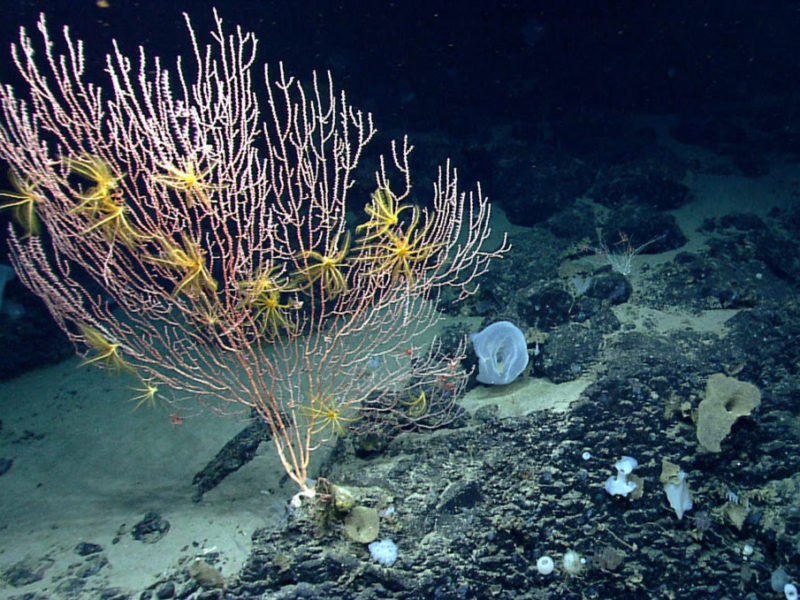
Yesterday President Trump signed an Executive Order allowing commercial fishing in the Northeast Canyons and Seamounts Marine National Monument. This Monument, much like…
Continue reading -
When GOOD NEWS changes your plans – encouraging support for Marine Protected Areas in South Africa
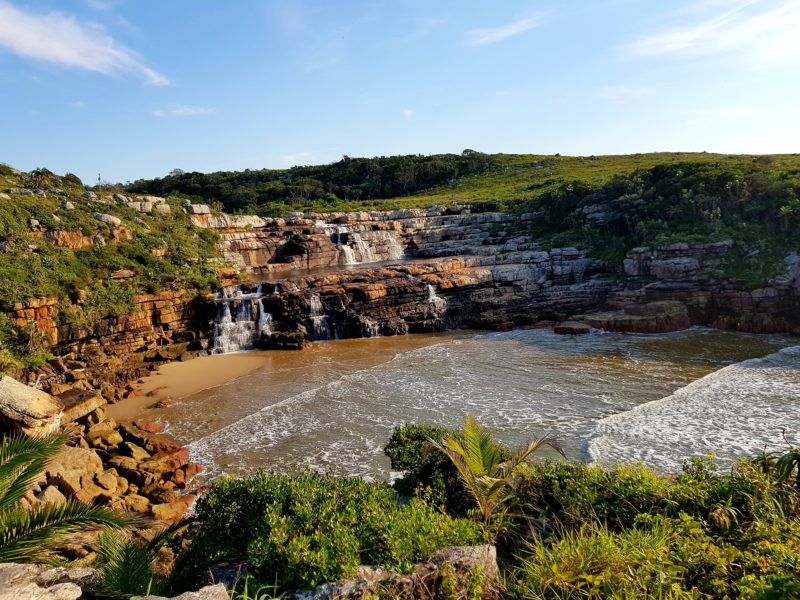
Editorial note: In 2017 The Ocean Project launched a new initiative to support zoos, aquariums, and museums (ZAMs) in getting more involved to effectively inform science-based fisheries policy…
Continue reading -
Reaching our Full Potential
As referenced in this blog post, The Ocean Project recently launched “Making Conservation Happen,” a new webinar series aimed at helping aquariums and zoos engage strategically, safely, and effectively…
Continue reading -
Americans Are Heartwired to Love the Ocean
In a deeply divided country, here’s how advocates can put that to work to protect the ocean for future generations By Robert Pérez & Amy Simon “The ocean does something…
Continue reading -
Pilot project shows that engaging visitors in conservation efforts can inspire commitments and enhance experience!
During the week surrounding World Oceans Day, 12 zoos, aquariums and museums (ZAMs) participated in a pilot project that had them asking their visitors about helping to address the…
Continue reading -
The Trump Administration: The Opportunity for Aquariums and Zoos
The optimist in me always looks for new opportunities that are presented with the changes that come after an election – and that is no different following the election of Donald Trump. Based on comments made before and after the election, I expect a rancorous debate between industry and conservative think tanks, and environmental groups and liberal think tanks on environmental laws and regulations. The new administration’s likely agenda will include reducing environmental regulations under the Clean Air and Clean Water Acts; increasing fishing, mining, logging, ranching and oil and gas exploration in public waters and on public and private lands; repealing the Antiquities Act, which every President since Teddy Roosevelt has used to protect America’s treasures; and reversing commitments made by President Obama to address climate change. It will likely impact the reauthorization or renewal of existing laws such as the Magnuson-Stevens Fishery Conservation and Management Act, or the Farm Bill. So…what role can aquariums and zoos play? An important one! Many of the same people will be making the same arguments about the same issues. Now more than ever there is a need for new voices, specifically sources of information that base their opinions on an objective analysis of available scientific information. This type of science-based work is exactly what aquariums and zoos do every day to care for animals, advance their survival in the wild, and engage visitors and the public for conservation. And it is exactly why you are so respected by your guests and neighbors. Additionally, your audience is likely more like America than any other conservation constituency. You can break through the social media silos and mainstream media silos and speak directly to people who trust you as a non-partisan, objective, and rational voice. The data is clear that when visiting an aquarium or a zoo, your visitors expect, trust, and appreciate information about conservation and how to help with solutions. In addition, “walking the talk” as an institution resonates with audiences, especially when visitors and members are positioned as part of the effort in a “together we can” approach that also helps get to the scale necessary to effect change. I began my career on Capitol Hill in 1987 and have been engaged in conservation ever since. What drew me to work with zoos and aquariums in 2004 is the incredible platform you have to inform the discussion and advance conservation in meaningful ways -- a dozen years later that opportunity still exists and is needed now more than ever. And as you do so, know that The Ocean Project continues to grow its policy advocacy capacity, and we stand ready to help you craft messages and develop approaches that are both strategic and effective. The space in these debates for aquariums and zoos includes translating the best available science into an objective recommendation versus using political science to shape natural science to achieve a policy objective. Your guests and neighbors trust you and look to your guidance on how to help with conservation issues. You have real opportunities to communicate at the local level through your platforms and channels while engaging in timely and coordinated actions on national policy issues. How you do it without a political backlash is simple – stick to the facts and use the data. For example, institutions engaged in conservation programs to protect endangered or threatened species, such as the SAFE campaign, can objectively analyze the available science to make informed decisions. That skill set can be transferred to policy debates with the simple preface such as: “As a science-based institution we’ve reviewed the available science and data and have concluded…” Much of the media coverage will be of the horse race regarding who is winning and losing, but what will fly under the radar of this coverage is that the science each side cites to support their cause will be cherry-picked, biased, or both. The two sides and many of their supporters in Washington will talk past and over each other, people near you will wonder what has changed and be open to objective information from sources they can trust. Since becoming The Ocean Project’s Policy Advisor just over two years ago, we’ve worked on several projects allowing aquariums and zoos to voice support for appropriations related to environmental education at NOAA and EPA and also the creation and expansion of marine protected areas in the Atlantic and Pacific Oceans. What I learned from these advocacy actions (from simple letter sign-ons to youth initiatives like Sea Youth Rise Up to fully implemented onsite visitor engagement campaign) was that aquariums and zoos want to be active in visible ways – and that may be needed now more than ever. You have an opportunity to leverage your unique position as a valuable community asset and valued community institution. As The Ocean Project builds out our policy program in support of and in partnership with aquariums and zoos, we hope you consider joining us, as we collaborate with others such as AZA and ACP, in future actions. If you are interested in doing so, please contact us. Learn more about Tom Adams and our team here.
Continue reading -

SEA LIFE Centers find public support for Marine Protected Areas
SEA LIFE Aquariums and SEA LIFE Trust wanted to know if visitors shared our interest in expanding our nation’s network of Marine Protected Areas (MPAs). With this in mind, we initiated in partnership with The Ocean Project a pilot project at two of our sites, Carlsbad and Orlando. We developed an exit survey with a program called iSurvey that allows for offline collection on iPads, and then site staff randomly sampled our guests about their opinions of marine protected areas, as well as their feedback on our being involved in this effort. Guests responded well to the iPads, and we were able to collect a sample large enough to have a high degree of confidence in the results. We looked at the overall results, as well as the results for a subset of guests who participated in a voting activity (I’ll explain in more detail below), and another subset of guests who received additional interpretation. The overall response on the exit survey was overwhelmingly positive, with yet more evidence for the earlier research findings that visitors to aquariums and zoos truly do expect, trust and appreciate information about how they can help the ocean and its animals. If anyone is still asking whether or not we as aquariums and zoos “inspire” the public’s interest in addressing environmental issues, look no further than the following chart, which shows that while on site a full two-thirds indicated that they believed their actions could have a great deal of impact on environmental problems. Moreover, we had more than 98%, yes, more than 98% of our guests agreed with the statements that “SEA LIFE Aquariums are a good source of information about ocean conservation” and “Learning how to help conserve the ocean and its animals makes for a better visit to a SEA LIFE Aquarium.” In sum, we have access to the public when they are inspired to act, and they’re telling us that they trust our guidance and appreciate learning how to help – so let’s be bold! On the particular issue of MPAs, our guests were just as positive, with again strong agreement both for the idea of expanding our nation’s network of protected areas and for the involvement of our aquariums in that effort. So if picking an issue on which to be bold, MPAs certainly seem like a good choice! And notably this was not a hypothetical question. During his presidency, President Obama already has shown a willingness to support marine protection by significantly expanding the Pacific Remote Islands Marine National Monument in 2014 and then announcing two completely new marine sanctuaries in October 2015 . At the same time, the National Oceanic and Atmospheric Administration (NOAA) has been soliciting nominations for new protected areas. This is why at Sea Life we’ve come to see now as the right time to invite the public into this issue, document their interest, and bring it back to our policy leaders. In an interesting twist to our pilot we also aimed to test the impact of an activity, and the impact of interpretation on guest response. A subset of guests at both sites participated in a simple voting activity, where they were handed a paper ballot, which gave basic background on the sanctuary nomination process and asked if they supported the idea, yes or no. The voting activity was low cost and easy to implement, and guests liked it. And they certainly liked the idea of expanding the sanctuary system, with a full 94% voting in favor, and based on a related question, primarily out of concern for the animals. Meanwhile, a separate subset of guests at our Carlsbad site received interpretation, talking with one of our educators about MPAs. The interpretation was more resource intensive, taking up a lot of staff time, but again guests liked the interactions. But did either experience impact their response on the exit survey? We didn’t have as much confidence in these findings due to the relatively small sample sizes, but indications were that even though the baseline of ‘visit alone’ was quite high, the response from those who participated in the voting activity or received interpretation was even higher. Moreover, the voting exercise had the benefit of documenting public interest in the issue in a way that could be easily relayed. What’s next? Based on the promising results of the pilot, and some timely advice from policy experts, we’re revising the approach to focus on a revamped version of the voting activity. Our goal is now to invite as many guests as possible to tell us which of four areas currently under they’d like to see protected as #blueparks. And we’ll also be reaching out online with a presence at http://bluebackyard.org, where, in fact, you should go now to cast your vote! ~This guest post was submitted by Chris Andrews from Sea Life
Continue reading -

New 2015 research reveals an ocean of opportunities
This is a guest post by Jim Hekkers of…
Continue reading -
Communications medley: activating communities
In this week’s round up: How not to overwhelm…
Continue reading