-
Communications medley: activating communities
In this week’s round up: How not to overwhelm…
Continue reading -
Communications medley: putting a human face on climate change
In this week’s round up: How to deliver a relevant message on climate change by framing it as a human problem. If you’re a science communicator or educator at an informal science center (such as a zoo, aquarium, or museum) trying to understand the perspectives of your audience and find ways to promote conservation action – this is the round up for you! Every week we break down the most interesting recent news and best resources to help you frame the issues as effectively as possible. Some of these resources will be practical communications and framing tips, and others are great starting points for brainstorming future strategies. Jump to… Talk about people Keep it tangible A key challenge climate change communicators face is striking an emotional connection with their audience. People like to see an immediate response to their actions, but global warming is a problem with impacts AND solutions that seem far-off in time and diffuse. The nature of global warming makes it seem impersonal and intimidating to tackle. As such, one of the most essential aspects of effective climate change communication is to put a human face on it. Talk about people Photo by NASA Goddard Space Flight Center, flickr user NASA Goddard Photo and Video Words that beat ‘global warming’ and ‘climate change’ — a guide – Ever wonder if it is more effective to use the term “global warming” or “climate change?” This article suggests that we should use neither, but rather should stick to plain, simple language that everyone can understand and connect to. Focus on words that impact everyday life such as “pollution,” “health,” “creating jobs,” and “extreme weather.” No, climate change won’t kill the planet. But it’ll kill plenty of people. – It is important to keep in mind that climate change is not inherently an Earth problem, but rather it’s a people problem. Regardless of how intense the effects of climate change get, the Earth will continue to spin. Further, as the fossil record shows us, given a few million years, the Earth will repopulate with cool and amazing life forms that we never could have imagined. With this in mind, as global warming leads to more extreme weather events, food issues, and other conflicts, we must realize that combating climate change is largely a battle to protect human life as we know it. It is the great challenge of our generation. Keep it tangible Warming Threatens Roads, Ports and Planes, Report Says – One of the reasons people struggle to connect with climate change is the lack of tangible outcomes. This article provides concrete examples of how global warming will impact life as we know it, specifically focusing on the transportation sector. Photo by Michelle Haymoz, flickr user swissyogini The White House’s Clever Way to Sell Americans on Climate Change – President Obama discusses curbing carbon emissions as a means to protect the health of the elderly and the youth. According to a study from Yale University’s Project on Climate Change Communication, framing climate change communication centered on health threats, specifically those affecting youth, is a powerful strategy to put a human face on global warming.
Continue reading -
Communications medley: costs of climate change and the power of storytelling
In this week’s round up: Talking to businesses about the economic impacts of climate change, and the importance of being a good story teller. If you’re a science communicator or educator at an informal science center (such as a zoo, aquarium, or museum) trying to understand the perspectives of your audience and find ways to promote conservation action – this is the round up for you! Every week we break down the most interesting recent news and best resources to help you frame the issues as effectively as possible. Some of these resources will be practical communications and framing tips, and others are great starting points for brainstorming future strategies. Jump to… Dollars and Sense What's the story? Dollars and Sense Risking it all: Report highlights how climate change threatens US business - Could climate change actually affect worker output? Extreme heat expected to reduce labor productivity, while sea level rise poses additional threats to East Coast businesses. Plastic Tide 'Causing $13 Billion in Damage', UN Says - Ocean plastic and marine debris take a hit on our wallets. According to the UN, It is estimated that the dumping of plastic waste into world oceans causes $13 billion worth of damage annually to marine life, fisheries, and tourism industries. Putting a Price Tag on Nature’s Defenses - Think building levees is expensive? Coastal marshes and wetlands - and not levees - are our number one defense against storms, soil erosion, and other natural disasters. The value of these ecosystem services is estimated to be well into the trillions, making them an irreplaceable commodity. What’s the story? Telling a good story is key to conveying the reality of climate disruption to our audiences. How Storytelling Can Make Climate Change Real - Check out this article and short video, which demonstrate an effective technique on communicating climate change issues with everyday folks. It’s all about telling a story with conviction, and putting a human face on the science. Messages Made to Stick: Six Principles to Make Your Messages Memorable - Follow these tips for making your message stick! This article outlines the six simple steps to ensure that your voice is heard, and your message is clear, when engaging in any type of meaningful dialogue. Bringing Heart and Spirit into the Climate Movement - This article highlights the interdisciplinary nature of working towards environmental solutions.
Continue reading -

Positive Attitudes but Limited Knowledge Lead Discovery Place to Offer an Ocean Literacy Teacher Workshop
This is a guest post by Gail…
Continue reading -
Communications medley: Survey roundup and framing tips
In this week’s round up: How millennials are thinking about transportation, Americans view environment more important than growth, and the impacts of recent weather events on public perception of climate change. If you’re a science communicator or educator at an informal science center (such as a zoo, aquarium, or museum) trying to understand the perspectives of your audience and find ways to promote conservation action – this is the round up for you! Every week we break down the most interesting recent news and best resources to help you frame the issues as effectively as possible. Some of these resources will be practical communications and framing tips, and others are great starting points for brainstorming future strategies. Jump to… Survey roundup: Protecting our environment and climate change threats Communicating climate change: What to say and what not to! Today's surveys: Protecting our environment and climate change threats Many around the world see climate change as a major threat - This 39-nation survey conducted by Pew Research Center dives into the question of whether or not individuals view climate change as a threat to their country. Did they survey your country? If so, what are the results and what can you do to make a difference? Americans want government action to protect the environment - According to a recent survey by Yale, American's do want their government to protect the environment. But, depending on what they want you to protect the environment from, well, that depends. Check out the link for additional info. Communicating climate change: What to say and what not to! Climate change communication: Key psychological research findings - This two-part report takes an interesting exploration into some of the psychological barriers we face when trying to engage the public in climate change discussions. The results are fascinating. 13 useful tips for climate action from the IPCC Report - More than likely you're aware that the IPCC has released another climate change report. Just as likely, you probably haven't read the massive document. This summary shares 13 important, actionable tips that you can incorporate into your programs today. Can empathy help stop climate change? - Ever wonder why it doesn't work very effectively to tell people that climate change is a major threat to humans? Well, this article takes a look at some alternative ways to get the public to acknowledge climate change is indeed a threat not only to our lives, but to wildlife as well. Don't give up on engaging conservatives - Have you ever experienced the difficulties of communicating climate change to conservative? I know I have! This article takes an interesting look at different ways to engage conservatives in climate change discourse.
Continue reading -
Communications medley: A car-free future and the impacts of extreme weather on climate opinion
In this week’s round up: How millennials are thinking about transportation, Americans' view environment more important than growth and the impacts of recent weather events on public perception of climate change. If you’re a science communicator or educator at an informal science center (such as a zoo, aquarium, or museum) trying to understand the perspectives of your audience and find ways to promote conservation action – this is the round up for you! Every week we break down the most interesting recent news and best resources to help you frame the issues as effectively as possible. Some of these resources will be practical communications and framing tips, and others are great starting points for brainstorming future strategies. Jump to… Millennials go car-free American's pick environment over climate change Extreme weather impacts climate change perceptions Millennials go car-free Millennials Don't Care About Owning Cars, and Car Manufacturers Can't Figure Out Why - From 2007 to 2011, car purchases by ages 18-34 fell by 30%! This article by Darren Ross describes how millennials are choosing not to own cars and why car manufacturers can't figure it out. What we can learn from millennials who opt out of driving - Are young people becoming more aware of the high costs of driving? This article takes a closer look at why millennials are opting out of driving and the lessons that we can learn. American's choose environment American's Again Pick Environment Over Economic Growth - A recent Gallup poll has demonstrated the largest partisan gap over priority ever recorded! The Gallup poll shows that American's choose the environment over economic growth by a healthy margin, particularly among ages 18-29. The impact of extreme weather Natural Disaster's Play a Significant Role in American's Climate Opinions - According to a 2014 Gibbs & Soell Sense & Sustainability® Study, 60% of American's attribute climate change to human actions. Can Extreme Weather Build Support for Climate Solutions - In the wake of extreme weather conditions, climate communicators strive to find ways to communicate the importance of recognizing the impacts of climate change. This article provides six key talking points for climate communicators on how to engage your audience effectively.
Continue reading -
Communications medley: Looking at numbers and what it takes
In this week’s round up: Public perspectives on climate change and thoughts on what stimulates social change, If you’re a science communicator or educator at an informal science center (such as a zoo, aquarium, or museum) trying to understand the perspectives of your audience and find ways to promote conservation action – this is the round up for you! Every week we break down the most interesting recent news and best resources to help you frame the issues as effectively as possible. Some of these resources will be practical communications and framing tips, and others are great starting points for brainstorming future strategies. Jump to… The stats What motivates change The stats 80% of Europeans Agree Tackling Climate Change Boosts Economic Growth – according to a new Eurobarometer opinion poll 4 out of 5 European Union citizens believe that mitigating climate change and increasing energy efficiency can boost the economy and employment. A Steady 57% in U.S. Blame Humans for Global Warming – according to a fresh Gallup poll which tracks American’s views on climate change, more Americans believe the increase in Earth’s temperature over the recent decades is a result of human pollution, not natural causes. Americans Most Likely to Say Global Warming Is Exaggerated – although most American’s believe that global warming is happening, they also believe that the news is responsible for over exaggerating the impacts that climate change is having on the Earth Emerging Economies Lead Climate Action, Globe Study Finds – A Globe International study investigating which countries lead in fighting climate change shows that emerging economies are at the front of the pack for establishing ambitious policies. What motivates change? How Ultra-Conservative Utah Became An Unlikely Bastion Of Environmental Activism – One might not expect the citizens of Utah to be the most environmentally active population in the United States. However, growing recognition for the need to protect the environment has been sparked by the unpleasant impact of air pollution, which causes immediate short term effects for Utah residents. What Moves Americans to Support Social Change? – A recently released report by ecoAmerica dives into in investigation of what moves American’s to support social change by looking at recent successful social movements. The report identifies four synergistic stages that were fundamental for each campaign.
Continue reading -
Poll: Red or blue, regulate CO2
Results from a national survey conducted in late 2013, and made public yesterday by the Yale Project on Climate Change Communication and the George Mason Center for Climate Change research, show strong support for action among Americans of every political orientation. A whopping 83% of Americans say "the U.S. should make an effort to reduce global warming, even if it has economic costs." In a sign of hope for generating the political will to do what needs to be done to ensure a healthier climate and ocean, and a sustainable society for the future, majorities of both Democrats and Republicans support national action on climate and energy policies. Majorities of Americans in red, blue, and purple states support: providing tax rebates on the purchase of energy efficient vehicles or solar panels; funding more research into renewable energy sources; regulating CO2 as a pollutant; and eliminating all subsidies for the fossil fuel industry. From ClimateProgress: "In general, Americans want less fossil fuels and more low-carbon energy — with many willing to pay more for those benefits: 67% want to regulate carbon dioxide as a pollutant 59% want to cut fossil fuel subsidies entirely — while 60 percent think cutting renewable subsidies is a bad idea 56% would pay an extra $100 a year if it meant their electric utility was required to produce more than 20 percent electricity from renewables 72% want more research funding for renewable energy" For the complete study, "Public Support for Climate and Energy Policies in November 2013," please link here. Also, stay tuned as we will soon be releasing action guides, specifically to help our partner network effectively engage their visitors and the public in helping with solutions to climate change and ocean acidification through green power opportunities around World Oceans Day.
Continue reading -
Aquarium of the Bay: reframing climate change for action
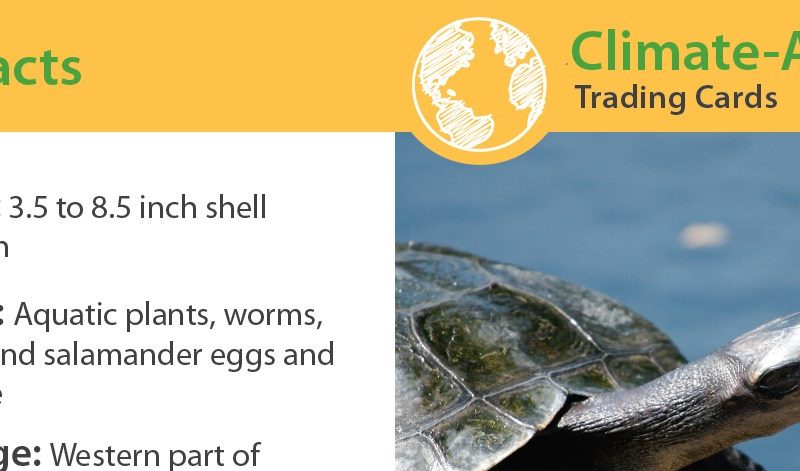
In part 2 of our blog series on past Small Grants projects at zoos and aquariums, Quinn White of Aquarium of the Bay shares what they've learned about making climate change personal, and asking visitors to take action. Background and summary of project Aquarium of the Bay strives to improve the future of San Francisco Bay and its watershed by engaging a new generation of stewards and advancing real solutions for a healthier habitat. We reach a broad audience of residents as well as visitors from all over the world. Our goal was to help these guests commit to addressing climate change on a personal level. Updates on project Thanks to support from The Ocean Project, the Aquarium successfully trained our staff to frame climate change in a way that helps guests understand climate change and its impact on their own lives. Previous experiences frame how people see the world, so two people can look at a prop or an animal and understand it in two completely different ways. By connecting guests’ personal experiences to the topic at hand, we can expand their frame of reference to help them understand the problem of climate change—and its solutions. In addition to our improved messaging, we added an environmental action dimension to visitors’ experiences. Our Climate Change Action cards reinforce messages about taking local action, so Aquarium visitors understand specific ways they can personally make a difference in their own backyard. These tools have been combined to update all five of our climate change-focused daily visitor presentations. Our animal ambassadors and their associated call to action have successfully turned a moment of inspiration into an opportunity for visitors to make lifelong changes that lessen their environmental impact. We took our message online as well—you can find our climate action cards on our website. The online component was inspired by The Ocean Project’s recent research on the importance of online education. Our website now shares these printable cards as well as stories that highlight what our staff is doing to reduce their own carbon footprints. Lessons Learned The responses we’ve received regarding the updated visitor presentations from staff and guests have been very positive. Staff report that it is easier to talk to guests with a more hopeful message and it is easier to have a conversation when connecting to their universal values. The stay time for guests has also increased; in the past, guests would listen for a few minutes and then leave; now they stick around for the entire presentation. Guests are also more engaged and asking more questions, and the presentations have turned into productive conversations, sparking curiosity and inspiring further action. After learning about framing and universal messaging, one staff member said “Frankly, I’m blown away.” He mentioned that he had heard about universal framing but had never realized its effectiveness until the training. Staff have noticed that children especially are more excited when they participate in the visitor presentations. For example, in our ocean acidification presentation, children are excited to learn more about ocean chemistry and why it’s important to keep the ocean’s water healthy. Also, in our solar and wind power presentations where we focus on innovation for alternative energy, visitors leave inspired and children want to learn more so that when they grow up they can help innovate other forms of energy. In regards to putting their training into practice, staff often responded by simply saying, “It really works!” The training also resonated with staff by identifying ways to front load key messages. In other words, putting the conservation message at the beginning of the presentation grabs the audience’s attention and helps them be more invested in the issue. - Quinn White, Development Manager and Grant Writer at Aquarium of the Bay
Continue reading -
Communications medley: climate story-time
In this week’s round up: climate story-time in America,…
Continue reading
