-
ISG+ Midterm Report: Woodland Park Zoo teens inspire peers to take a stand on climate change
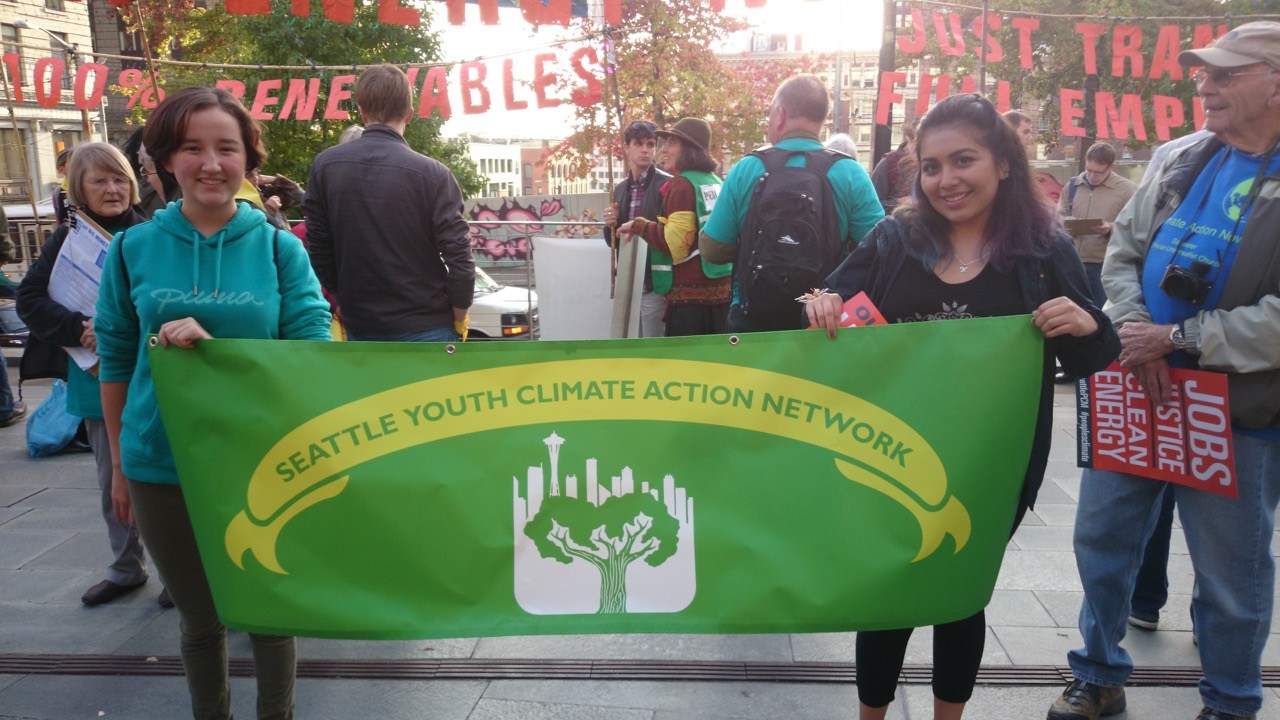
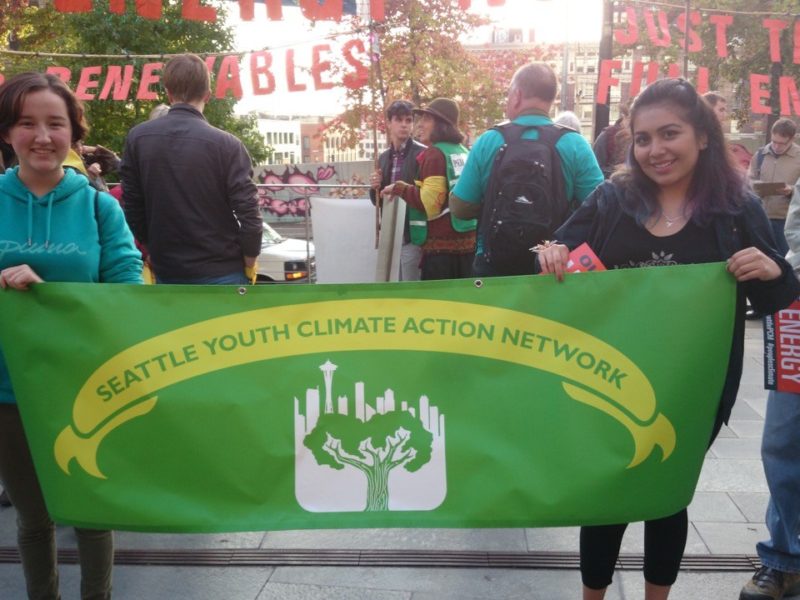
This guest post by Eli Weiss of Woodland Park Zoo is the 2nd in a 3-part series on their Innovative Solutions Grants+ project, exploring how teens in the Seattle area can empower each other and their peers for action on climate change. In 2016 our focus for Seattle Youth Climate Action Network has been to build on the success of our pilot year and expand our engagement model to be inclusive and relevant for teens in the Seattle area. In year one we worked primarily with teens that were already committed through volunteer and internship programs at Woodland Park Zoo, Seattle Aquarium and Pacific Science Center. For the culminating Youth Climate Action Summit, we invited teens from other youth programs to participate and had a great response. As relayed in our last post, our primary goals for the project this year are to get more teens from across the city to join the network, and develop a more widespread and more engaging Summer Transportation Challenge. In keeping with our first goal, we have been looking to recruit teens that don’t already have a connection to Seattle Youth CAN. Noting our earlier finding that our in-person events have proven to be surprisingly successful as an engagement strategy, we have been focused on the following: Encouraging teens who are already involved to invite their peers to our events Asking other youth programs to join the network and attend and promote our events Tabling at local teen and climate change events that have been developed by others We have seen mixed results with this approach, and have continued to evolve our outreach strategy as we go. What did we do? Our teen leaders have presented at a range of youth action and climate events including; Gates Foundation’s Youth Action Summit, Museum of Flight’s NASA Climate Night, Seattle Art Museums Teen Night Out, and the Youth Ocean Conservation Summit at the Seattle Aquarium. What’s been working? One element that teens developed that has been effective for engagement at outreach events has been the “climate tree” activity which asks people to add one leaf that represents what they are doing to fight climate change and one for what they are concerned about. Since this was developed, over a hundred leaves have been added and thirty new teens have joined the network! What have been the lessons learned? Youth leaders have identified a range of barriers to participation in Seattle Youth CAN from the broader youth community including the challenge of getting reaching new teens through existing communication channels and the relevance of our events for youth who are not already passionate about climate change. We are working to address these potential barriers and continue to expand our community support and opportunities for youth and partner input on our outreach and engagement efforts. While expanding our network, we also took steps to strengthen its core. Specifically, we expanded youth leadership opportunities within the network, and in January launched the Youth Leadership Committee (YLC), a steering committee that is made up of teen representatives from each partner program. These teens meet monthly (and often more) to plan campaigns, explore new opportunities, and move broader project goals forward. In addition, each partner program has its own climate team with more youth members who in addition to the network-wide efforts are working on a on a range of institution specific projects - stay tuned! By creating new opportunities for teens to take on leadership roles, we are helping to strengthen the youth driven nature of the project and also the critical mass needed to move us forward. Then in keeping with our second goal, developing a more widespread and more engaging Transportation Challenge, the YLC is busy gearing up for another exciting summer of transportation related action. This year, teen leaders have modified the goals of the challenge: Increasing participation by expanding our network of partners and reaching more teens Engage participants in fun activities and events that help increase personal action and carbon reducing transportation choices The group is hard at work developing a new approach for engagement which they hope will be successful in getting many more youth involved in the action. The eight-week summer challenge will have weekly themes and prizes, and in-person events and contests to build excitement for getting involved and encouraging others to participate, as well as a strong social media focus through channels including Facebook, Twitter, and Instagram. We also have launched a new blog, www.seattleyouthcan.org which is a great place for our teens to share their stories and will be a hub for the upcoming challenge. Not to forget that earlier this year, seven of our teens worked with King County Metro Transit to develop a complementary youth-targeted campaign, which will hopefully launch county wide this summer. In addition, a local website design and social media firm, www.rorymartin.com, has offered up their support to help build a more dynamic marketing and social media strategy for the campaign and will be training a team of Seattle Youth CAN teens to lead this effort. All together, we are hoping to inspire hundreds of local youth to take action during the months of July and August. We are hopeful that with more targeting outreach and communication during the challenge and a more dynamic experience for participants, that we will successfully engage a much larger group this summer both within and beyond our core network. Stay tuned for updates on our summer of learning and climate action!
Continue reading -
ISG+ Final Report: Seattle Youth CAN works to combat climate change
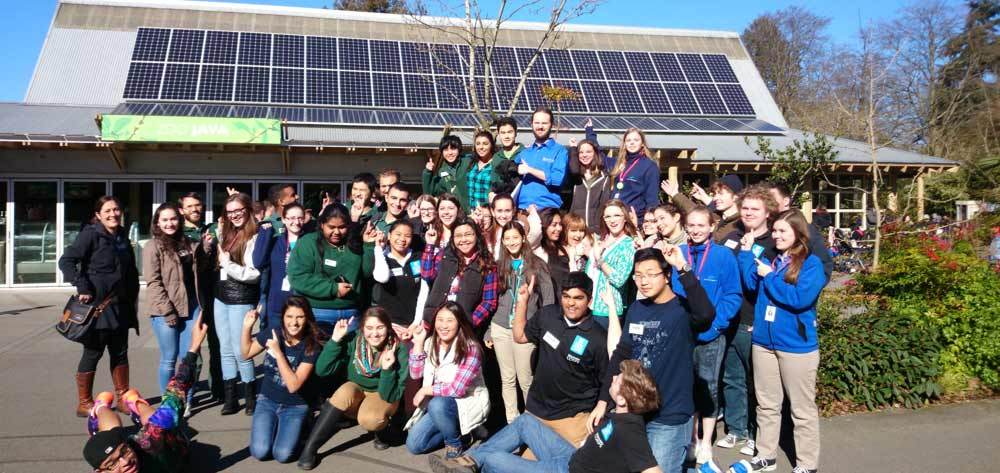
This guest post by Eli Weiss of Woodland Park Zoo is the third in a 3-part series on their Innovative Solutions Grants+ project, exploring how teens in the Seattle area can empower each other and their peers for action on climate change. What we have to celebrate As we wrap up our first year with reflection and planning sessions for both youth and staff stakeholders I feel grateful for all that everyone has contributed to making the pilot year for Seattle Youth CAN such a success in 2015. I am also excited we willl have even more to look forward to in 2016, thanks to a second year of funding from the Innovative Solutions Grants + Program! With the partnership and support from youth programs staff and teens from Woodland Park Zoo, Pacific Science Center and Seattle Aquarium it has been quite a year! We have also appreciated the support from a range of community collaborators including local non-profits, agencies and universities who have contributed to our first year. As planned, it was full year of programming with monthly opportunities for Seattle area teens to increase their climate literacy, take action and become leaders in this exciting new initiative. By the numbers, in 2015 we had: A committee of 11 teen leaders planned and launched a transportation focused climate action challenge that engaged 50+ teens during August and saved over 12,000 pounds of CO2 12 climate literacy and action events hosted at the three institutions which provided unique opportunities for more than 150 teen participants! 85 teens attended Seattle Youth Climate Action Summit held at Woodland Park Zoo 20+ local climate leaders contributed as guest speakers, presenters and project advisors 3 teen representatives traveled to the WILD Center in upstate New York to present and participate at the Adirondack Youth Climate Summit Over the past few months we are especially proud of… The Transportation Challenge The first teen led action campaign was a pilot designed by a cross institution leadership committee. The challenge focused on encouraging other teens to reduce their CO2 emissions by choosing to use public transit, carpool, bike or walk. During the month of August, there were 52 active participants who logged their commutes on an online platform hosted by King County Metro. In a post survey we found that just under half of these participants reported an increase in their use of the recommended transportation options as a result of the challenge. After the challenge, King County Metro staff discussed the agencies sustainability efforts with the teens and also led a workshop in which they brainstormed possible social media messages to make a stronger connection between public transit and reducing CO2 as well as encouraging more teens to ride the bus. There are already plans to revise and continue this messaging campaign as part of our efforts in 2016. The first annual Seattle Youth Climate Action Summit On October 10th, 2015 the Woodland Park Zoo and Seattle Youth CAN hosted the first annual Youth Climate Action Summit attended by 100+ teen and community participants from the Seattle area. The event was organized by a committee of 14 teen leaders from the three institutions along with the support of staff from Woodland Park Zoo. The summit included presentations and activities led by teen leaders, a climate careers panel, group action projects and plenary workshop sessions led by local climate leaders and scientists focused on climate science, innovation and ways to take action. This was the first Seattle Youth CAN event in which teens from outside of the founding three partner youth programs were invited to participate. The Summit was the culminating event of year one for Seattle Youth CAN and the also a shift toward a more inclusive model that we plan to expand next year, a model that will provide the opportunity for all interested youth in the Seattle area to get involved and take action! Our amazing Youth Climate Ambassadors Our youth ambassadors had many adventures and successes this year, including: • Three Seattle Youth CAN leaders traveled to the Adirondack Youth Climate Summit in upstate New York to share their experiences and learn from peers. • Niko, a teen volunteer spoke alongside county executives and climate policy leaders at the signing of the Strategic King County (WA) Climate Action Plan. • This past month NOAA’s climate.gov site featured our project as one of their case studies of national youth climate initiatives and our video was featured at the US Center during COP21 in Paris. What we have learned in 2015 1. Developing an authentic youth network takes time. A clear plan and willing partners is always a good start, but we found that for teens to start identifying with Seattle Youth CAN took ongoing communication and repeat participation in events. Teens live such busy lives and we don’t want Seattle Youth CAN to be just one more thing for them to do, rather a place that youth can get involved, meet new people, and take on authentic leadership in something that is of interest to them. We had great success with youth organized events and campaigns and are looking to increase the youth ownership of the project in 2016. 2. When communicating with teens in-person meetings still matter. We have found that some teens prefer Facebook while others will only respond to email, and with so many options for connecting these days, there is no one way to get in touch. Our Facebook group has been a great way to share updates, photos, events and ideas, and although it was used by youth leaders, the majority of the posts were made by staff. We now have a twitter handle https://twitter.com/seattleyouthcan which is followed by some supporters, but has not been a clear way to engage teens. We actually found that by far the most successful strategy for building community and creating connections has been in person events and meetings – that was where most of the magic happened. 3. Institutional support helps. Bringing together three of the most prominent informal science institutions in the city has allowed for us to leverage the expertise, resources and connections of our founding partner organizations. All three institutions have shown past commitment to climate change education and this partnership has allowed us to come together on an area of shared relevance. In addition, the community looks to zoos, aquariums and science museums for answers and through this project we have been able to help teens find their voice as climate change leaders and change makers and this action resonates with the millions of visitors that attend our institutions each year. Where we are headed I think that we are on to something with Seattle Youth CAN and are excited to develop new strategies that will allow broader participation and reach. We plan to do this through creating an opportunity for new partner programs to join the network and by opening up monthly events to teens that are not already affiliated with our partner programs, as well as by revising and expanding our teen led action campaigns. We also plan to strengthen and package our unique model so that we can share it with other regional and national groups that are looking to support youth in climate leadership initiatives. It is exciting to see the growing interest in our local initiative and I hope that through our efforts we can help the national youth climate action movement grow. --Guest post by Eli Weiss of Woodland Park Zoo
Continue reading -
Visitor engagement opportunity: COP21 and being part of the solution
With extensive news coverage of climate change talks underway at COP21 in Paris, and two-thirds of Americans wanting the US to take action, now is an especially good time to engage visitors at zoos, aquariums, and other trusted visitor-serving organizations. But what is the best way? Our research indicates that visitors probably don't want aquariums and zoos to attempt to explain the ins and outs of climate models or the climate negotiations. But they likely would be open to an aquarium or zoo citing examples of the impacts of climate change on specific animals, and then offering some hope by making, as the recent report from EcoAmerica put it, a “quick pivot” to solutions that emphasize “the power of we” - what we, together as a society, can do to help. As our friends at NNOCCI remind us, a critical concern right now is restarting the conversation about change. And with it in the news, now is an especially good time! Photo credit: John Englart
Continue reading -

-
ISG+ Update: Seattle youth CAN engage their peers on transportation
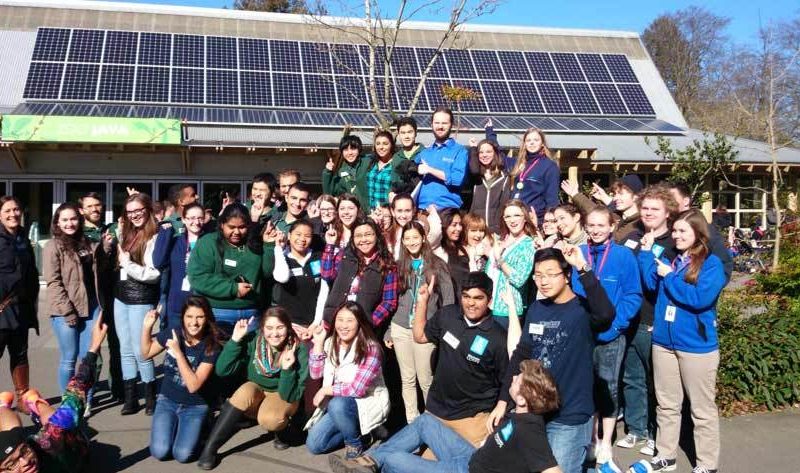
This guest post by Eli Weiss of Woodland Park Zoo is the second in a 3-part series on their Innovative Solutions Grants+ project, exploring how teens in the Seattle area can empower each other and their peers for action on climate change. Woodland Park Zoo, along with our partners the Seattle Aquarium and Pacific Science Center are working together to build the Seattle Youth Climate Action Network (CAN). The goal of this Innovative Solutions Grants+ project is to train and support teen leaders, helping them create a campaign that encourages their peers to take measurable action on the issue of climate change. Since our first post, I have been working closely with partner staff from each institution to keep this pilot year on course. In addition, I have continued outreach to local agencies and organizations to build local support and enthusiasm for the project. Seattle Youth CAN is picking up momentum - we have had a handful of successful events and have already learned a lot about starting a local youth network. Our training model for this effort has included engaging teen participants in hands-on action; a full day of instruction on climate science, communication strategies and local examples of climate action; and a campaign design workshop for the leadership group. Training Part 1: Leading with action We began our training with an inspirational day of action. In collaboration with Forterra and Green Seattle Partnership 30+ Seattle area teens planted over 200 trees and native plants along a high traffic bike path in North Seattle. The event was an energetic gathering, and participants enthusiastically planted trees to offset the Woodland Park Zoo’s carbon emissions through the Evergreen Carbon Capture Program. Training Part 2: Climate leadership workshop A month later, we brought 40+ teens from the three institutions to the Zoo for leadership training on climate change science, communication strategies, and action. To spark ideas for their own campaign, teens heard from local organizations and agencies and explored examples of climate action. Among the presenters were staff from Climate Solutions, Seattle City Light-Community Solar Program and Forterra. Each community partner shared their own work and pitched project ideas for how Seattle Youth CAN could partner with them. At the end of a full day of learning, participants shared which action campaign ideas they were interested in through a survey and small group discussions. Teens left the workshop energized and ready to get Seattle Youth CAN off the ground. Training Part 3: Campaign design workshop for youth leaders As the next step, a climate campaign design committee was formed with teen representatives from each institution. This committee met every other week to come up with a focus and plan for a summer action campaign. I facilitated this group process along with support from staff from our partner institutions. Rather than reinventing the wheel we used existing models for campaign design, including “Planning to Win”, and committee members participated in a workshop on ‘behavior change’ from our in-house audience research experts. The committee hosted teens and staff from the Oregon Coast Aquarium’s Unplug for an OA campaign, and participated in a King County community forum to gather their input to help inform an updated Climate Action Plan for the County. We received great feedback from teens and staff about starting the training with an action event, as well as the content of the full day training. One thing that we would do differently would be to make the “communicating climate change” piece its own, more in-depth, workshop. During this training we included it with the climate science overview and examples of local community action, so weren’t able to dig in as much as we wanted. Crafting the pilot campaign After several months of research, planning, and meetings, our campaign design committee chose a transportation action campaign to launch later this month. Their research and interaction with city and county experts found that over 45% of Seattle’s CO2 emissions comes from local transportation choices. The group felt that making smarter transportation choices would was something their peers could actually do to measurably reduce their carbon emissions. While they are still working out the details with the message and tactics, we know the teens will be inviting their peers to participate in a challenge to reduce their carbon footprint by increasing their use of public transit, biking, walking and carpooling. With the help of our evaluation staff, the group developed an evaluation plan using an online platform hosted by King County Metro’s Ride Share Online program to track participation in the challenge. At the start of the challenge, participants will complete a baseline survey to help the group to measure behavior change for participating teens over the course of the month. In addition, we will be working with local transportation agencies and organizations to increase teen awareness of how to make smart transportation choice through events and activities. Teen leaders at each institution will promote the challenge with their peers and they hope to engage 100+ participants in action. Expanding interest Since our action event and full day workshop earlier in the year, we have continued to organize monthly Seattle Youth CAN events. These events are designed to enable other teens from the three institutions to get involved and deepen their understanding of Seattle Youth CAN and related climate change issues. Last Thursday, for example, teens organized and hosted an event at Woodland Park Zoo, “The Impacts of Climate Change on Wildlife.” We had over 60 youth attend the full day event which included presentations from local climate scientists from NOAA and The University of Washington, as well as youth led climate focused tours of the zoo and community building activities. More than half of the teens who attended were new to Seattle Youth CAN and we were excited to see the continued enthusiasm for our growing network. Learning as we go We’re feeling good about our progress the identity that we are building through the network, the trainings and events that have been well attended by our teens, and the support we have received from our partner institutions and community supporters. Our teen leaders and other members of the network are eager to finally launch the action campaign and be able to share with their institutions and peers how they plan to take action to reduce CO2 emissions. A big challenge so far has been finding the balance between structured workshops and committee meetings to best provide the room for our cross-institution teen leadership group to innovate and take ownership of the campaign. Creating a structure for truly youth driven action and leadership, while providing participants with enough resources and support is at the core of our program model. Our teens live busy and complex lives and creating a leadership opportunity with the right mix of structure and space is something we continue to work on. After many months of supporting the group in moving their planning forward, we are proud to announce that the challenge officially launched this week! Next moves For teens in Seattle Youth CAN, August will be a month of action and learning as they work to engage their peers in behavior change, focused on making sustainable transportation choices. In September teens and staff will also focus their efforts on planning for the Youth Climate Summit that we will host on October 10th at Woodland Park Zoo. At this event our campaign leadership group will have the opportunity to share the results of their transportation challenge with a large audience of peers. We also see this event as the opportunity to expand our network beyond the current three institutions and invite other Seattle area teens to join Seattle Youth CAN. I believe that with continued support, we can expand this network to be inclusive of all youth in our area who want to get involved in climate action. I am also hopeful that, as we refine our model, it will be something that can be shared and used by groups around the country looking to engage youth in collective action. What gives me hope Skylar Widman, a high school intern at WPZ and active member of the climate campaign design committee, recently shared his experiences in Seattle Youth CAN with educators participating in our Advanced Inquiry Maters Program: “Before CAN I tried to make choices that helped the environment and now I realize that there are many other teens that what to take action and that as a group we can have a greater impact in fighting climate change.” -- Guest post by Eli Weiss of Woodland Park Zoo
Continue reading -
ISG+ Final Report: What we learned at the New England Aquarium
This guest post by Heather Deschenes of New England Aquarium, the final in a 3-part series on the aquarium's Innovative Solutions Grants+ project, is a look at what the aquarium learned from their efforts. Thank you to Heather and everyone who helped at the aquarium for your hard work! The Ocean Project’s Innovative Solutions grant enabled us to try a different approach to training our teen volunteers to engage various audiences about the steps those audiences might take reduce their fossil fuel use. Our hypothesis was that if the teens were able to convey their knowledge about climate change, then audiences would be more willing to act. Here's a summary of what we did, including the successes we had, as well as the lessons we learned. Beginning the project Our original vision for the ClimaTeens program was to develop an educational program that aimed to empower teens to stimulate an increase in community dialogue, planning, and action to address the issues of climate change. We aimed to develop the youth participants’ understanding of the science behind and impacts associated with global climate change, and a stronger sense of confidence in sharing this knowledge with peers, adults, and community leaders. Our goal was to create two academic year cohorts of students who would take part in monthly meetings where they would develop their content knowledge on the subject area, have opportunities to practice developing presentations and making connections with other youth audiences in the in the City of Boston and Aquarium visitors. To form the first cohort of ClimaTeens, we recruited those who were already participating in other NEAq youth programs. We assembled a group of 12 who had varying levels of knowledge of climate change science and impacts. We experimented with the idea that, once all were up to speed, the teens could and would engage deeply with a topic as large and potentially scary as climate change. We found that the answer, overwhelmingly, was that they could and they would, even going so far as to talk with EPA Administrator Gina McCarthy, Energy Secretary Ernest Moniz, as well as Massachusetts Senator Ed Markey, and Boston Mayor Marty Walsh! We set a goal of having the teens develop additional presentations, blog posts and videos that would all encourage a wide audience to join a citywide effort to reduce carbon emissions called Greenovate Boston. We anticipated being able to measure impacts of ClimaTEENS efforts because the Greenovate website was to be enabled with a number of built in evaluative properties. We were really excited about the opportunities presented by the partnership with Greenovate, and the web tools in particular, but as the project progressed, it became apparent that our timelines were not aligned. While Greenovate was making significant progress in developing the City’s Climate Action Plan (CAP), their website plans were much slower to take off. A change of plans By the fall of 2014, we knew we needed to change course, and we decided to put greater emphasis on having the teens presenting directly to aquarium visitors rather than the broader community. We also launched the second academic year cohort of ClimaTeens (retaining five alumni from the first cohort). So in addition to starting the process of training the new cohort, which had grown from 12 – 20 youth, we also started gathering data to support our evaluation strategy through a monthly program called Blue Discovery Family Days (BDFD.) Each BDFD has a theme (such as Lobsters, Octopus, or Sustainable Seafood) and an array of hands-on activities are set up either inside or outside the aquarium, depending on weather. Teens run most of the stations, with support from adult educators. For a series of fall and winter BDFD events this academic year, the ClimaTeens had a table in the same area as the other activities, but with a climate change-specific activity. The teens used interactives NEAq developed as part of a NOAA-funded climate education grant a few years ago. These activities feature either basic climate science, such as carbon sinks and sources, or human impacts, such as an ‘eco-footprint’ quiz. The teens were encouraged to convey the science and also engage visitors in solutions-oriented conversations, touching on three specific actions the visitors might take (wash laundry in cold water, request a home energy audit, and/or connect with a community-based effort such as Greenovate). After visitors had the opportunity to interact with the teens, an adult educator would ask a random sample of visitors leaving that area if they were willing to complete a short survey on an iPad. The surveys asked some attitudinal questions and also asked visitors to indicate their willingness to take the three possible actions the teens were mentioning. Since NEAq surveys visitors on many subjects, we were already aware that our visitorship is generally interested in and concerned about climate change, but we didn't know if the interactions with the teens would increase a visitor's willingness to take action. Looking at the data While the data we gathered was not statistically significant, it did suggest that interacting with the teens could indeed help expand our visitor's willingness to act. When we compared the responses of those who did interact with the teens ("yes group") and those who did not ("no group"), we couldn't help but notice that those in the "yes group" seemed to be coming into the conversations with a higher level of interest in the issue. A strikingly high 26% of those in the "yes group" reported that they already were involved with a community-based effort such as Greenovate, whereas that number dropped to 8% for those in the "no group." At the same time, we still saw some evidence that interacting with the teens was having an impact. When we compared yes and no group responses on the other two actions - washing clothes in cold water and requesting a home energy audit - approximately equal percentages from each group reported that they were already taking those actions prior to their visit. However, among those who were not already taking those steps prior to their visit, those who interacted with one of the teens did report a notably higher willingness to take these actions in the future. What we still do not know, however, is the extent to which that difference in response was due to the provision of new information about the solution steps, new information about the underlying problem, and/or the personal nature of the interactions. Our "gut sense" would be that the impact we saw was largely attributable to an already interested audience being provided with new information about solution steps they could take by a group of enthusiastic interpreters. But as they say in academia, "more study is needed!" Over the course of our ClimaTeens adventure, we have learned that our teens are capable of understanding large and complex topics with a mixture of wisdom, enthusiasm, and energy that inspires the adults around them. We also have learned that getting a group of young people around a table to share pizza and ideas can be silly, deep, chaotic, and ultimately incredibly rewarding. One note of caution for our colleagues in the Aquarium and Zoo community looking into this kind of program, however - the same teens that are deeply engaged leaders in your institution are most likely deeply engaged students, athletes, performers, and leaders in their school and home communities, and they may become overcommitted. Other lessons learned Coordinating with a community wide effort on a scale like Greenovate can be, despite the best of intentions on both sides, really tough, especially with the limited availability of the teens themselves and just the basic operational differences between organizations We learned the teens didn’t need in-depth training on climate science but rather needed the time to build their confidence in speaking about climate basics. The teens often expressed that building their own social identity was more important that learning the scientific information. Having the teens already invested in our organizational mission was really helpful. For example, our second cohort of teens (formed in fall 2014) has had considerable attrition because many of participants were new to the Aquarium and the expectations on behalf of the program and the teens themselves, were very different. When asked what lies ahead for ClimaTeens, there are some unknowns (program funding) but there are also some certainties. The youth who continue to participate in the program are really emerging as model ocean stewards, something that is core to our institutional mission and goals. These youth all have some very positive traits in common; they see involvement with ocean-helping activities as crucial part of life, many are actively pursuing schooling that will help them to work in an ocean/environment related career, they are well educated on ocean issues and can speak articulately about the issues, frequently talking with others and sharing their passion to help raise awareness. We are very excited to see what these teens will do next and really appreciate that this grant helped us to empower a group of young people who understand their connections to the ocean and participate as a community of informed citizens who are inspired to change the world.
Continue reading -
ISG+ New Project: Climate change action? Seattle youth CAN!
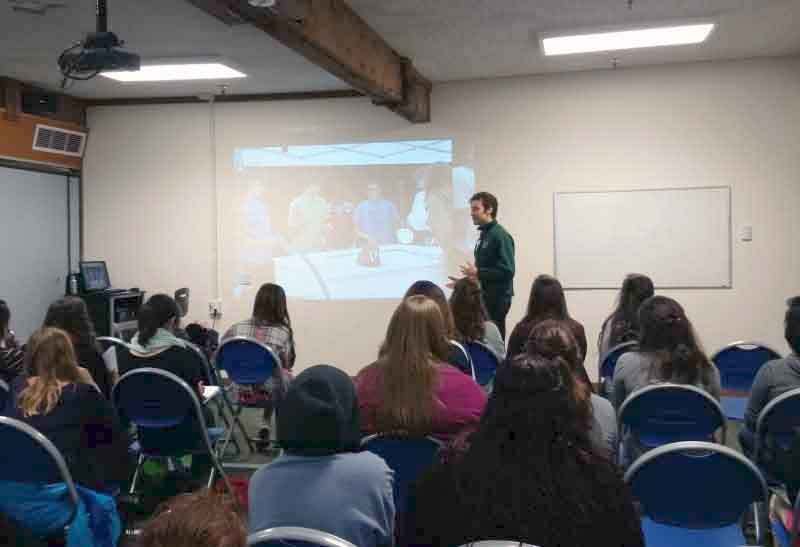
This guest post by Eli Weiss of Woodland Park Zoo is the first in a 3-part series on their Innovative Solutions Grants+ project, exploring how teens in the Seattle area can empower each other and their peers for action on climate change. The Path Forward At the Woodland Park Zoo, we have been working for the past several years to engage our teen volunteers and interns on the issue of climate change. These efforts have ranged from trainings on climate science and interpretation to involvement in our pilot of a variety of on-grounds climate focused activities and games, and have resulted in a group of teens that share a common interest in climate change. What we are still working on is getting our youth to the next stage of engagement, inspiring others to follow their example in taking action. This challenge is at the core of our current project, the Seattle Youth Climate Action Network (Seattle Youth CAN!), a project that we will be undertaking in partnership with the Seattle Aquarium and the Pacific Science Center thanks to support from The Ocean Project's Innovative Solutions Grants+ Program . Over the past couple months I have been meeting with climate leaders in Seattle and have been received with resounding enthusiasm for both supporting Seattle Youth CAN and for exploring new opportunities for our teen participants to engage other youth in community climate action efforts which may align with the city's recently adopted Climate Action Plan. This feedback on the model we have set in motion is encouraging and I am optimistic that when our teens feel connected to local climate efforts and leaders that they will be more engaged in the issues and feel more compelled to want to do something about it. Seattle Youth CAN! ACTION is the key to change, and through forming Seattle Youth CAN we will train and support youth leaders to deepen their understanding of climate science, feel confident in engaging others in dialogue about climate change, and develop and launch successful climate action campaigns. Over the past year with the latest IPCC report, UN Climate Summits, and the Peoples Climate March, the story has become even clearer. We need to take collective action and the change needs to be BIG and BOLD. Global and local leaders seem to agree that the days of just focusing on personal actions are behind us and this is why we believe our teens need to be engaged in supporting broader efforts and innovative solutions for change. We have designed Seattle Youth CAN with this in mind. Our aim is to train and support teen leaders to develop local campaigns which will engage their peers in measurable climate action. We believe that through creating dialogue and connection to existing community scale efforts and leaders we will help our teens to find their role in the growing movement to take clear action to reduce carbon emissions. What makes our model unique? A local network. We are bring together teens who have already expressed an interest in climate change and conservation through their involvement in teen programs at three leading informal science institutions in Seattle; Woodland Park Zoo, Seattle Aquarium and Pacific Science Center. Teens will have many touch points throughout the year including collective training, events, opportunities to take action, and a culminating summit at the end of year one. A focus on youth action. Our initial audience for this project are the teen leaders in our existing programs, and then, in turn, their peers in the community. Teens supported by community. Throughout the year teens will be working with local climate action leaders to learn, develop and launch campaigns and connect to city wide efforts. Ultimately our campaign will be designed and carried out by youth leaders in our network, but they will be supported by staff at each institution and our climate action partners in the community. With this project we are looking to explore if and how connecting youth to existing local climate action efforts enables them to create their own successful campaign and increases their ability to successfully engage their peers in action. In launching Seattle Youth CAN, we are hopeful that we will identify key elements needed to support a youth action network that brings teens and community stake holders together. We believe that if we are successful, this model will become a valuable example for other communities that are looking to engage youth in climate action. Recently, I was asked to lead a workshop on climate action at the Seattle Aquarium for their Youth Ocean Conservation Summit. I asked Xander Barber, of my teen climate leaders, to co-present with me. For us this was a great chance for us to share our Seattle Youth CAN model with a group of youth from around the Puget Sound. Based on the number for attendees that approached Xander and I after our session with interest in the network, I am hopeful that there will be broad support for the network. 2015 will be an exciting year as Seattle Youth CAN develops. We are encouraged by the enthusiasm of our teens that have helped us to build the vision for this project as well as our community partners and look forward to sharing our success with you in the months ahead! -- Eli Weiss, Youth Programs Supervisor at Woodland Park Zoo
Continue reading -
Tell a local story
The average person has 50,000 – 70,000 thoughts every single day. That’s a LOT of ideas to be sorted and dealt with! Considering the mental maelstrom, how can we make the complex threat of climate change seem worth not only thinking about, but possibly making major life changes to address? One reason climate change is so hard to act on is our psychological distance from it. The harm from climate change seems to be physically distant from us, far off in the future, and happening to other people. These factors make climate action seem a lot less important than the many other concerns constantly fighting for our attention all day long. For more on bringing climate closer-to-home, check out Connecting on Climate: A Guide to Effective Climate Change Communication guide. The guide covers a variety of great topics, insights on making the local connection start on page 29. It’s extremely important to close this psychological distance for your audience so that they can give climate action the attention it deserves. This is a cross-post from ClimateInterpreter.org. Please visit for more resources and articles about communicating climate change for interpreters! Pair close-to-home examples with big-picture concepts The reality is that climate change is already causing harm, right here and now. A great way to make climate change real and relevant to a person is to directly connect it to their everyday life. For example: the concept of sea level rise is much more impactful when supported with a local story about the real-world harm it causes to people like those in your audience. The less abstract the threat is, the more engaged people will be with being part of the solution. Be sure to highlight the solutions to the problem to avoid making people feel overwhelmed or hopeless – heightened engagement with a scary threat can actually cause people to give up instead of take action if they see the problem as insurmountable. Finding your community’s story There are some great resources online for finding ways to tell your community’s story. Using search engines is a good way to start – you can google “environmental problems in (your city or state)” and follow links to local non-profits for more information. You can also check out some of these specific resources for leads on story ideas MyEnvironment - enter your location and get access to several EPA databases to provide you with information about environmental activities that may affect air, water, and land anywhere in the United States Coming Clean: The State of US Renewable energy – see how your state is doing on renewable energy State and local climate adaptation – see what your state is doing to adapt to climate change. There is some disagreement on this depending on source: see the Center for Climate and Energy Solutions map and/or Georgetown Climate Center’s map and info. GlobalChange.gov – the US government has a new website on how different US regions are impacted by climate change based on the Third National Climate Assessment. Explore the their interactive map or see your region’s highlights. Next: some ways to incorporate these stories into interpretation. This is the first part in a 3-part miniseries about “small” stories for big impact: Tell a “wildly” emotional story; Tell a local story; Tell YOUR story
Continue reading -

Tell a wildly emotional story
Climate change is a big story. It’s such a big story in fact, it sometimes seems larger than life – and WAY too big to do anything about. As we’ve talked about before, it’s important to keep climate change real and tangible. One way to do that is to narrow the frame and tell a smaller story. By showing how the small or individual story is part of the big picture, you can help people make the emotional connection to the larger issue. This is a cross-post from ClimateInterpreter.org. Please visit for more resources and articles about communicating climate change for interpreters! Tell a “wildly” emotional story to connect people to wildlife Most humans have an interest and emotional connection with animals. How strong that connection is depends on a lot of factors (the individuals’ demographic and the species of the animal they’re engaged with) – but it’s safe to assume anyone visiting your institution is there to get better acquainted with wildlife. Research strongly suggests that just engaging with these animals inspires an intent to take some conservation action to help them, but there are steps you can take to translate this intent into action. Tell a story about how your visitors are connected with the animal Learning facts about an animal can help visitors feel more connected with it, but you can take things a step further. Also explain how – using techniques like casual chains and analogies – human activities can positively or negatively impact the animal. Watch this: tell a story about how the animal’s survival is linked with humans. Not sure how you can connect a particular animal with an environmental threat? See if there’s an entry for the species in question on PARIS – the Program Animal Rating Information System! Check out the “Potential Messaging” section for how other institutions have approached things. Give visitors a way to get involved, immediately if possible Your audience needs to know that there are solutions for problems, or they can become overwhelmed. If you focus just on problems, people can shut down and give up. It’s too much of a downer, especially when many don’t see themselves as able to help. Like I mentioned, people come away from encounters with animals intending to do something for that animal’s conservation and survival. However, this intention isn’t necessarily long-lasting. Research is scarce, but there’s evidence that most don’t follow through. Why not? They don’t know what to do, their attention is directed elsewhere, etc. There are many barriers to behavioral change. Give your audience something to do – right now! Provide an action when interpreting environmental threats. The ideal situation is to provide visitors with an action they can take during their visit, and to follow up with them afterwards. It can be extremely encouraging to feel like you’re part of a bigger effort, so emphasize that the action is something members of your community and/or institution are doing together. Have you tried giving an immediate action to visitors while or directly after interpreting about how animals are impacted by human activities? For one example, see NC Aquariums' green power push. This is the first part in a 3-part miniseries about “small” stories for big impact: Tell a “wildly” emotional story; Tell a story that’s close-to-home; Tell YOUR story Image from Shutterstock.
Continue reading -
ISG+ Update: NEAq ClimaTeens in the public spotlight for a green future
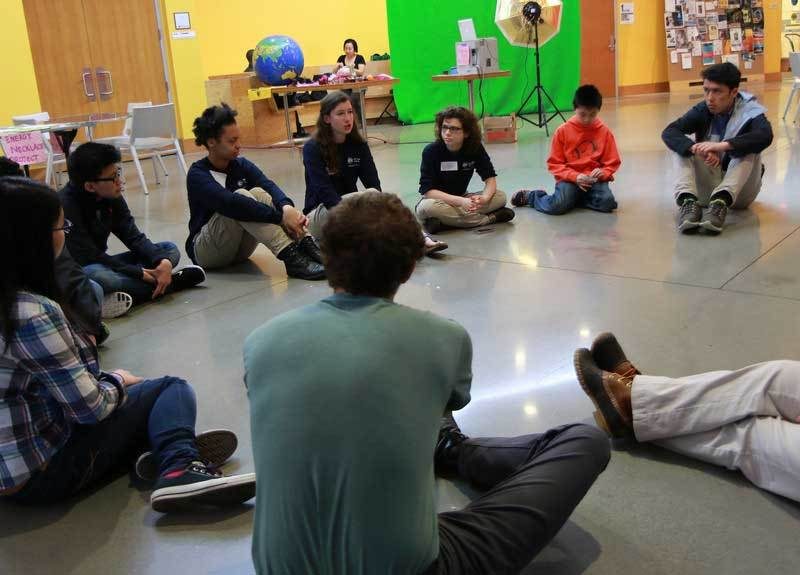
This guest post by Sylvia Scharf of New England Aquarium is the second in a 3-part series on their Innovative Solutions Grants+ project, which investigates how teen ambassadors can make a difference for their city’s green future. The previous post presented the project, this is an update on what's happened since. How do we engage youth in talking about big topics that really matter in ways that are empowering and interesting? This year, the New England Aquarium’s ClimaTeens took on the challenge of talking about climate change. The group was formed from interested teens who already had been involved in Aquarium programs as volunteers, interns, and members of our service-learning program. The initial goal was for the teens to lead a training day for their peers. But given the energy of participants and staff members, and with support from The Ocean Project’s Innovative Solutions Grants + Program, we ramped up our plans and set a new goal of empowering the teens to inspire others to take action. Our first step was to ensure that the teens felt confident when communicating about climate change. During the fall and early winter, the group spent many hours building their understanding of core climate science content and communication theory. Early this spring they began developing presentations to share. ClimaTeens in action When a surprise call came from the office of EPA Administrator, the ClimaTeens were ready. They presented as part of an Earth Day press event with EPA Administrator Gina McCarthy and Energy Secretary Ernest Moniz, as well as Massachusetts Senator Ed Markey, and Boston Mayor Marty Walsh. From that high note, ClimaTeens engaged audiences at several meetings and conferences including the Youth Climate Action Summit at MIT, the Massachusetts Environmental Education Society annual conference, a Career Pathways workshop at the Aquarium, and the Aquarium’s World Oceans Day celebration. Each presentation featured different ClimaTeen presenters, bringing individual voices to the fore. At the end of the school year, we asked the ClimaTeens to reflect back on their growth, and what they might look for in the future. Here are some of their reflections, showing that they had become much more confident. “Before, I was under the impression that climate change was too “big and scary” to tackle on my own, or even with a group. However, now after having been through the ClimaTEENs program, I can say with confidence climate change is a solvable problem (if we do take action).” (Grace C., 17) “I feel like the reason teens are valuable in the fight against human caused climate change is that we lack the limits that adults do in the terms of problem solving.” (Grace L., 15) “My whole family has changed because of my relationship with the aquarium. All of our decisions on purchases and transportation have definitely changed.” (Vida, 17) These reflections also indicate how important the community has become to participants. In working with teens in this kind of setting, social bonding is as important as the science learning. Even though our meetings were only two hours, once a month, the first 15-30 minutes of each meeting was devoted to pizza, chatting, checking in, and joking around. As an educator, the temptation to ‘make every second count’ can work against the importance of teens as social learners. Meetings were sometimes chaotic and full of chatter – but we managed to get amazing things done through it all. As one of the ClimaTeens said, “We could be a really big deal.” Looking forward - asking for action With that success, we’re gearing up for our second step, and we’re upping the ante with a goal of inspiring action! This session’s ClimaTeens - which will include some veterans as well as some new recruits - will have multiple opportunities to put the strategic framing and communication skills they gain into practice – through Blue Discovery Family Days at the Aquarium. And to test their impact, the teens this fall will survey visitors to see if those who heard them were indeed more likely to get the connection between climate change and ocean health, feel empowered to make a difference, and express a willingness to take one or more of the following actions: Wash clothing in cold water and/or let it air dry Have an energy expert conduct a free home energy audit for their house or apartment (through an already established city program) Join a community-based effort, such as Greenovate Boston or the New England Aquarium's live blue Ambassadors Stay tuned for the results! -- Sylvia Scharf, Senior Program Educator at New England Aquarium
Continue reading