-

Reaching our Full Potential
As referenced in this blog post, The Ocean Project recently launched “Making Conservation Happen,” a new webinar series aimed at helping aquariums and zoos engage strategically, safely, and effectively…
Continue reading -

Youth for the Ocean Launches!
This month we officially launch the Youth for the Ocean initiative to collaboratively accelerate youth engagement and develop youth leaders for a healthy ocean. We’re excited to partner with you! Our youth initiative will…
Continue reading -
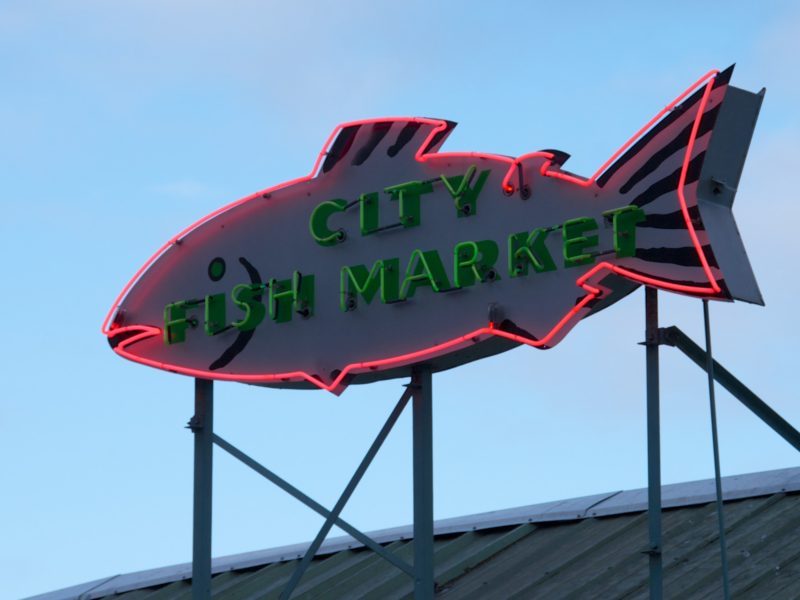
Nothing fishy about engaging visitors on fisheries issues
In his recent post The Ocean Project’s policy advisor, Tom Adams, underscored the importance of protecting the policies that protect our ocean, and referred to the need for…
Continue reading -
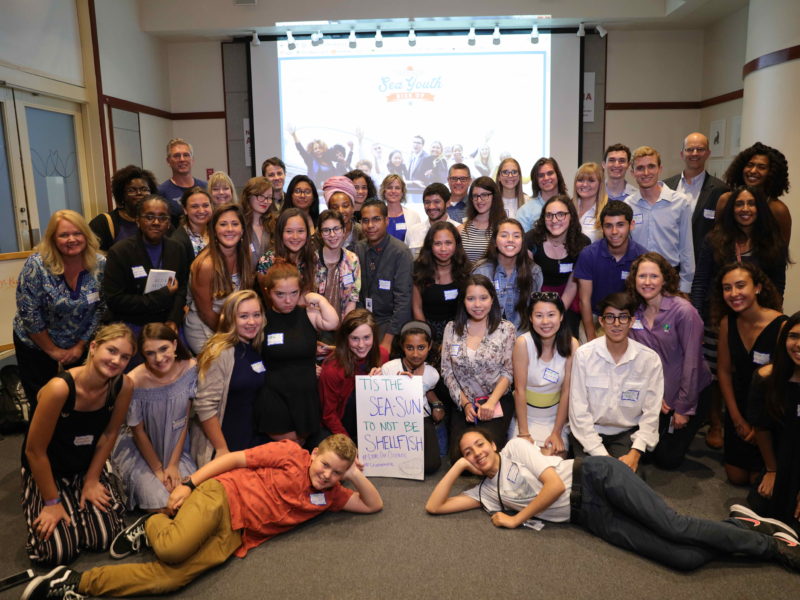
Collaborating for Conservation in 2018
Happy holiday season! Thank you to all the organizations from around the world that are involved in our partner network and working to advance conservation….
Continue reading -
Americans Are Heartwired to Love the Ocean
In a deeply divided country, here’s how advocates can put that to work to protect the ocean for future generations By Robert Pérez & Amy Simon “The ocean does something…
Continue reading -
The Ocean Project launches new initiative to promote science-based federal fisheries policy and healthy, sustainable marine ecosystems
Healthy and productive marine ecosystems are critical to sustaining food, jobs, and recreation for millions of people, as well as producing other intrinsic quality of life benefits. To have…
Continue reading -
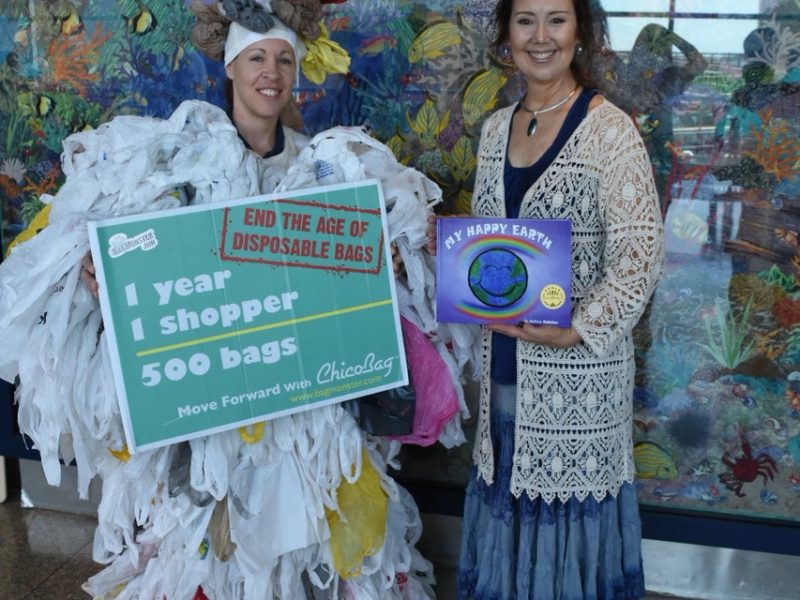
Pilot project shows that engaging visitors in conservation efforts can inspire commitments and enhance experience!
During the week surrounding World Oceans Day, 12 zoos, aquariums and museums (ZAMs) participated in a pilot project that had them asking their visitors about helping to address the…
Continue reading -

New 2015 research reveals an ocean of opportunities
This is a guest post by Jim Hekkers of…
Continue reading -

Tell a wildly emotional story
Climate change is a big story. It’s such a big story in fact, it sometimes seems larger than life – and WAY too big to do anything about. As we’ve talked about before, it’s important to keep climate change real and tangible. One way to do that is to narrow the frame and tell a smaller story. By showing how the small or individual story is part of the big picture, you can help people make the emotional connection to the larger issue. This is a cross-post from ClimateInterpreter.org. Please visit for more resources and articles about communicating climate change for interpreters! Tell a “wildly” emotional story to connect people to wildlife Most humans have an interest and emotional connection with animals. How strong that connection is depends on a lot of factors (the individuals’ demographic and the species of the animal they’re engaged with) – but it’s safe to assume anyone visiting your institution is there to get better acquainted with wildlife. Research strongly suggests that just engaging with these animals inspires an intent to take some conservation action to help them, but there are steps you can take to translate this intent into action. Tell a story about how your visitors are connected with the animal Learning facts about an animal can help visitors feel more connected with it, but you can take things a step further. Also explain how – using techniques like casual chains and analogies – human activities can positively or negatively impact the animal. Watch this: tell a story about how the animal’s survival is linked with humans. Not sure how you can connect a particular animal with an environmental threat? See if there’s an entry for the species in question on PARIS – the Program Animal Rating Information System! Check out the “Potential Messaging” section for how other institutions have approached things. Give visitors a way to get involved, immediately if possible Your audience needs to know that there are solutions for problems, or they can become overwhelmed. If you focus just on problems, people can shut down and give up. It’s too much of a downer, especially when many don’t see themselves as able to help. Like I mentioned, people come away from encounters with animals intending to do something for that animal’s conservation and survival. However, this intention isn’t necessarily long-lasting. Research is scarce, but there’s evidence that most don’t follow through. Why not? They don’t know what to do, their attention is directed elsewhere, etc. There are many barriers to behavioral change. Give your audience something to do – right now! Provide an action when interpreting environmental threats. The ideal situation is to provide visitors with an action they can take during their visit, and to follow up with them afterwards. It can be extremely encouraging to feel like you’re part of a bigger effort, so emphasize that the action is something members of your community and/or institution are doing together. Have you tried giving an immediate action to visitors while or directly after interpreting about how animals are impacted by human activities? For one example, see NC Aquariums' green power push. This is the first part in a 3-part miniseries about “small” stories for big impact: Tell a “wildly” emotional story; Tell a story that’s close-to-home; Tell YOUR story Image from Shutterstock.
Continue reading -
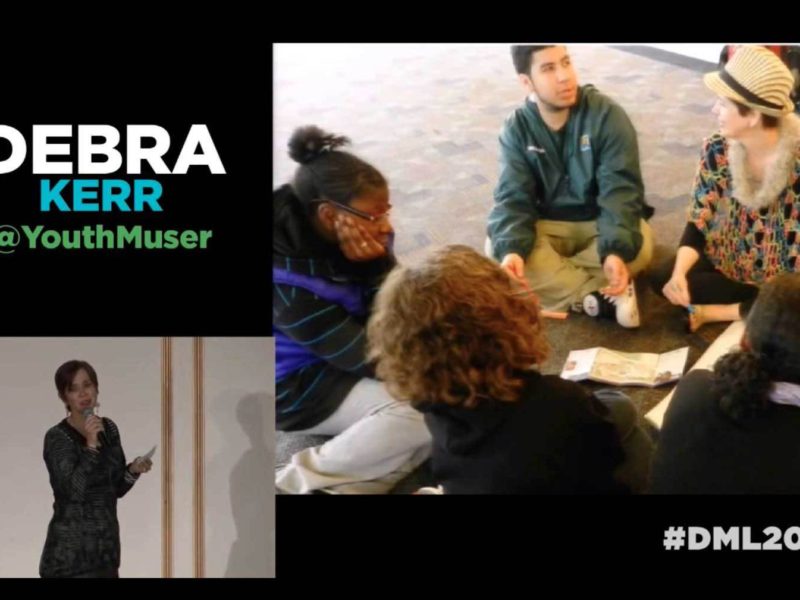
Environmental communications lessons: always relevant
This is a guest post by Deb Kerr who has worked with The Ocean Project as consultant on youth engagement. Most of my talks lately have begun with a “Family Feud”-style question with an environmental twist. Relying on excellent research from The Ocean Project (TOP), I pose this question to the audience: “Americans said, ‘I live a green-friendly lifestyle.’ Then, when asked how they are supporting that lifestyle, what did they say?” The audience is always way savvier than the average American answer, and they get a kick out of the reveal of the top five answers, allowing me to grab listeners with some early laughs. Recently, I prepared an Ignite-style talk—my first—for the Digital Media and Learning Conference. With its focus on reimagining educational practice, DML is attended by academics, technologists, educators, funders and big thinkers. I wanted to do a really great job on this high-pressure presentation in front of the entire assembly (Ignite-style means 20 slides in five minutes—yikes!), and I wanted to stick to material I know well. But would the lessons learned from my environmental colleagues translate to this more broadly- and student-focused audience? I asked my opener, in a packed ballroom. They called out the typical guesses: “recycle,” “turn out the lights,” “Take public transportation.” I revealed three of the five real answers: replace lightbulbs, use organic products and drive a hybrid. Noises of surprise. Then I reveal the sad truth, which is also the laugh getter. “How are they supporting their green lifestyle? They said, ‘I don’t know’ and ‘nothing.’” To make this relevant for DML, I then explained why this audience should care. Americans see themselves as good guys, but they don’t know what to do. We DML folks—and our partners, youth—have an opportunity to recommend appropriate action. Let’s try recommending positive personal action in non-environmental realms as well. I used my favorite TOP data points and drew my own associations for the audience. Teens are seen as change agents: Easy. This audience is all about teens. The public trusts the museum sector and wants recommendations for action: About 10 percent of the audience raised hands when I asked who was from museums. Americans are America-centric: Keep your message local, focused on places, people or animals your audience cares about. Knowledge does not lead to action; knowledge and action are disconnected: Make action happen first. And, from work done back in my Shedd days: Focus on the congregation, not the choir (which already buys into your message), nor the non-believer (which may never buy into your message). Among the digital savvy, Twitter, of course, is a popular tool. When I sat down, I was thrilled to see the scrolling tweet screens carrying tweets repeating my main messages, especially “Knowledge isn’t connected to action. Make action happen first.” Whew! I made a connection to my audience. To top it off, Amy Storrow, the speaker after me, did a fun, improvisation exercise, trying to get everyone in the audience to work together to choose the same pantomime. It didn’t quite work the first time, and, in fine improv-style, she called out, “We have some non-believers in the audience!”
Continue reading


