-

Speak for the fish!
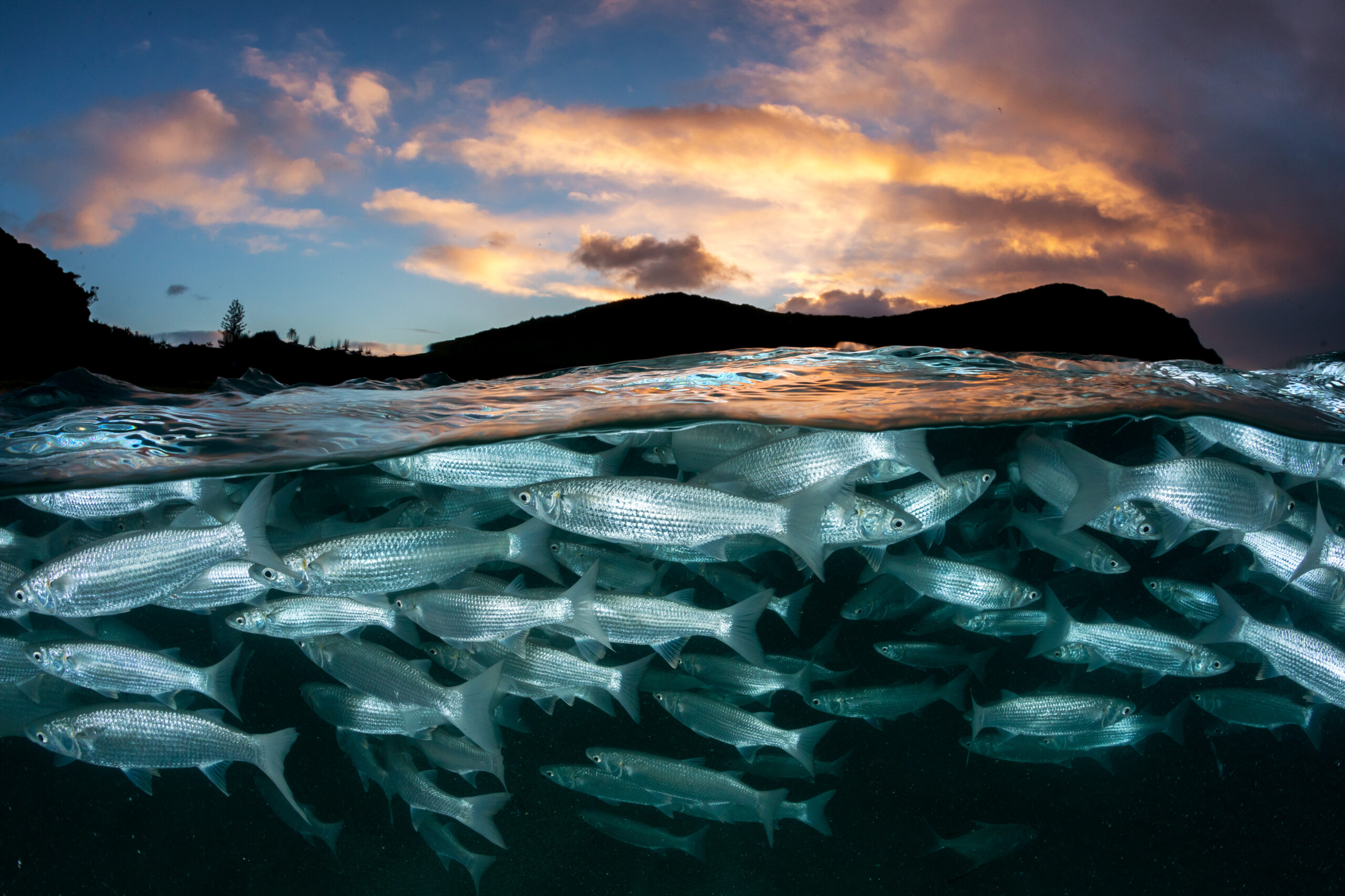
Photo thanks to Jordan RobinsThe Lorax spoke for the trees, but who will speak for the fish?Our shared ocean, its life and its vast resources are put in the hands of our government for all people. It is no one’s private property but rather a commons that the government, and all of us, need to steward responsibly. From the shoreline out to 200 nautical miles, the extent of our U.S. Exclusive Economic Zone or EEZ, which is the second largest in the world), we have jurisdiction over an ocean area larger than the combined land area of all 50 states.While most people don’t know much about the extent of our EEZ, public opinion is clear that Americans from across our country – both coastal and in the heartland and across the political spectrum – care deeply about the ocean and its life.To conserve fish populations, protect other wildlife, sustain fishing communities, and properly steward our children’s inheritance, the ocean and the coasts need to be well managed. Strong science-based policies are essential for abundant and productive ocean waters with healthy populations of fish and other wildlife, responsible commercial and recreational fishing, and other uses of this great public resource. One of the nation’s most important but least-known laws for conservation – both terrestrial and marine – is the Magnuson-Stevens Fishery Conservation and Management Act (MSA). It’s the primary law governing management of our nation’s fish populations and commercial fisheries, responsible for stewarding this vast area, bigger than all our states combined. First passed in 1976, the MSA has been hailed largely as a success in managing fisheries, and serves as a global model in many ways. It’s also a great example of how a non-partisan approach to conservation and management can work. The MSA is due for reauthorization by Congress and that would extend and revise its authorities. With the last reauthorization 15 years ago, it is time to continue to make more improvements in conservation of fish populations and fisheries management. As ocean waters warm, fish and other animals are migrating northward to survive and management needs to be nimble. Also, since changes are happening so quickly, taking a precautionary approach makes a lot of sense, for the health of not only the fish, but also the fisheries that depend on stable populations of a wide range of fish species. As part of that process, next week, the House of Representatives Subcommittee on Water, Oceans, and Wildlife will be holding a legislative hearing on MSA reauthorization. The hearing will cover:Congressman Huffman and Congressman Case’s H.R. 4690, the Sustaining America’s Fisheries for the Future ActCongressman Young’s H.R. 59, Strengthening Fishing Communities and Increasing Flexibility in Fisheries Management ActCongresswoman Dingell’s H.R. 5770, Forage Fish Conservation Act of 2021 (this bill is incorporated into H.R. 4690)The hearing is scheduled for Tuesday, November 16 at 2:00pm EST and should last around 2-3 hours. You can watch the livestream on the Natural Resources Committee’s website and YouTube page.A hallmark of MSA’s success has been its history of bipartisanship. We look forward to working closely with Chairman Huffman and other leaders on both sides of the aisle to ensure that our nation leads the world with strong, science-based fisheries conservation policies.Please “speak for the fish!” and submit comments about the importance of science-based fisheries policy. You can do so here. You can also access the bill text, a factsheet, section-by-section, and other materials here. For further thoughts on why this is important, you can read what some of the supporters are saying for the Sustaining America’s Fisheries for the Future Act.We look forward to continuing to collaborate with our network of youth leaders and hundreds of aquariums, zoos, and science museums across the country that we support for effective conservation communications including informing and activating their 200 million annual visitors about the important role that a sound, science-based approach can play in conserving our public resources – including fish. Indeed, improving the health of fish populations will lead to more productive fisheries around our nation and economically stronger coastal communities. More than most interested parties, aquariums, zoos and science museums understand the connection between the health of the environment and a stable and sustainable economic base at the local and regional level.For more on MSA from a previous blog post click here:Science-based fisheries for healthy, productive, and resilient marine ecosystems, now and for future generations
Continue reading -
Engaging on policy issues: Good for your organization, and good for conservation
Many zoos, aquariums, and museums have been actively engaged for many years on educating and informing their elected officials. Many more could be, and The Ocean Project encourages all…
Continue reading -
Science-based fisheries for healthy, productive, and resilient marine ecosystems, now and for future generations
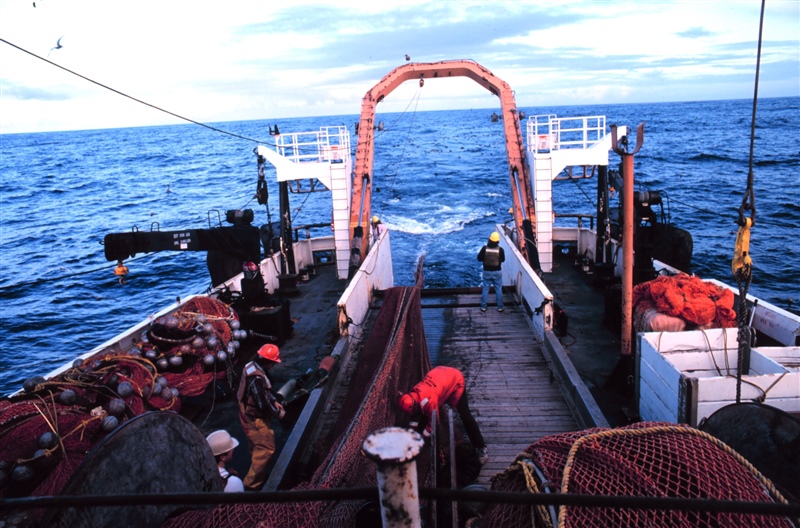
“All management should be for the generation coming, not for the generation that’s here today. If all you can think about is your own next year’s payments…
Continue reading -

Getting Fishy with It
There certainly was something fishy about our First Friday Webinar for April. For this episode, entitled, “Getting Fishy with It,” we were joined by two speakers with information and…
Continue reading -
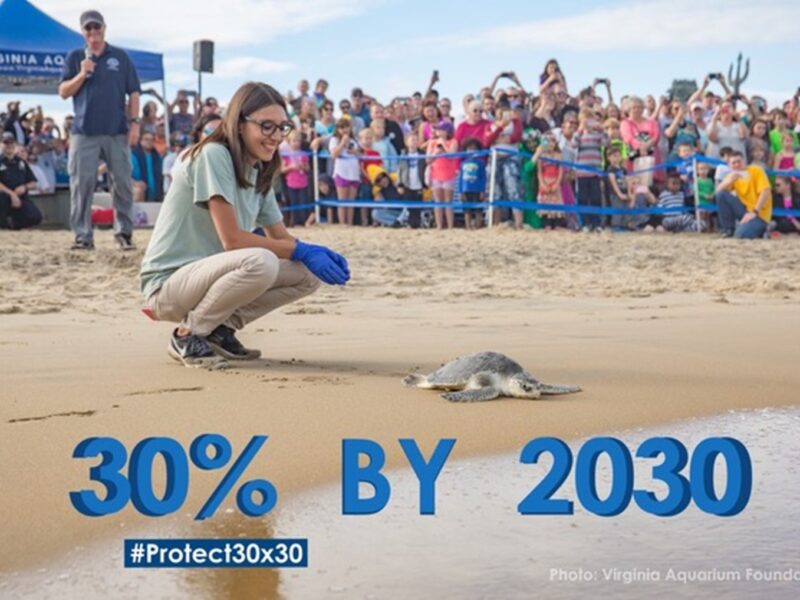
Protecting 30% of our blue planet by 2030
Efforts by aquariums, zoos, museums and others to help ocean animals like this sea turtle just got a big boost with today’s announcement of a new national goal to…
Continue reading -

The Conservation Calendar in 2021
In our first webinar of the new year we were honored to have not one, but two special guests covering the shifts in the political ‘seascape
Continue reading -

New Report: Looking Back while Planning Ahead
Hot off the press: Looking Back while Planning Ahead – A summary of efforts and opportunities to engage the public and advance conservation As we enter a time of…
Continue reading -
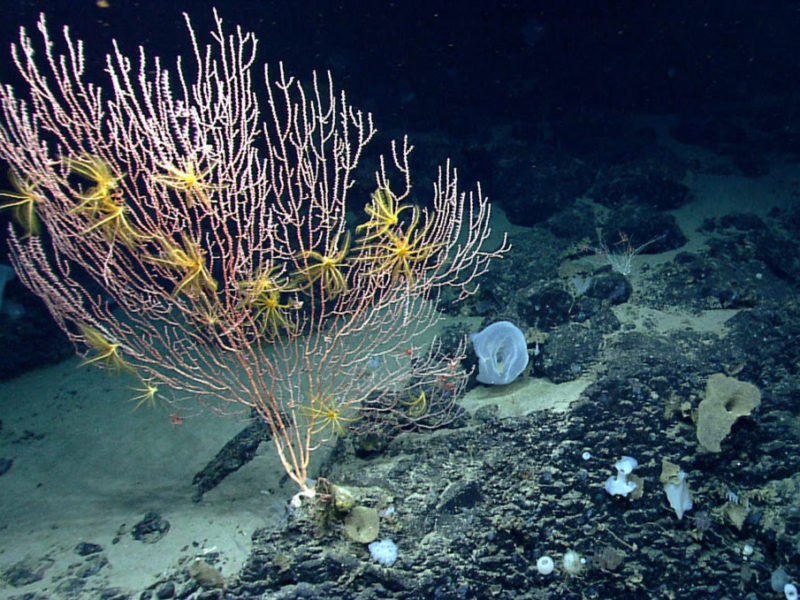
President Trump’s Actions Threaten Protection of America’s Ocean Treasures
Yesterday President Trump signed an Executive Order allowing commercial fishing in the Northeast Canyons and Seamounts Marine National Monument. This Monument, much like…
Continue reading -

New Guide Available to Engage Visitors on Conservation Policy Issues
The Ocean Project is pleased to offer a guide summarizing how to apply a successful approach to engaging visitors on policy issues in a way that will raise…
Continue reading -
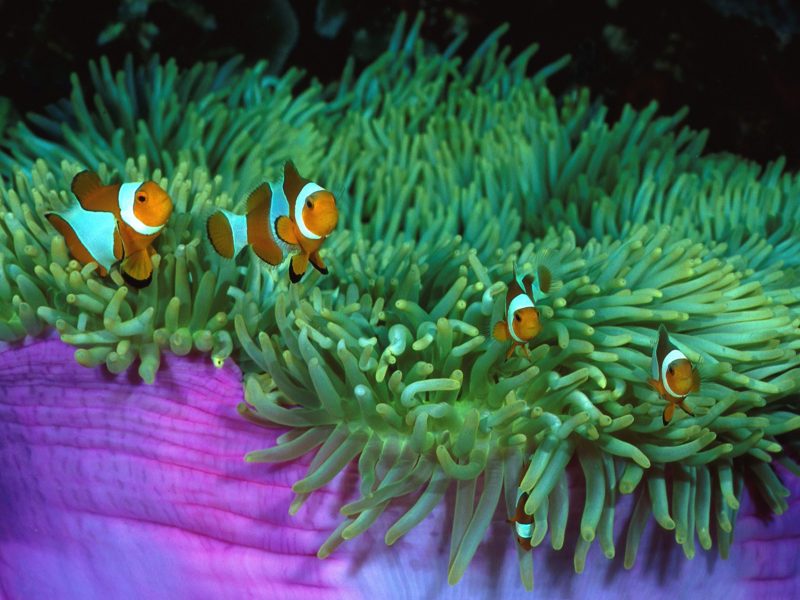
Forward for our blue planet in 2020!
Thanks to all our partners for doing so much to help with bringing about a better future! In so many ways in 2019, youth, zoos and aquariums, progressive-minded businesses and corporations, and…
Continue reading