-
Youth for the Ocean Launches!
This month we officially launch the Youth for the Ocean initiative to collaboratively accelerate youth engagement and develop youth leaders for a healthy ocean. We’re excited to partner with you! Our youth initiative will…
Continue reading -
Americans Are Heartwired to Love the Ocean
In a deeply divided country, here’s how advocates can put that to work to protect the ocean for future generations By Robert Pérez & Amy Simon “The ocean does something…
Continue reading -
Youth Taking the Lead for Conservation Action
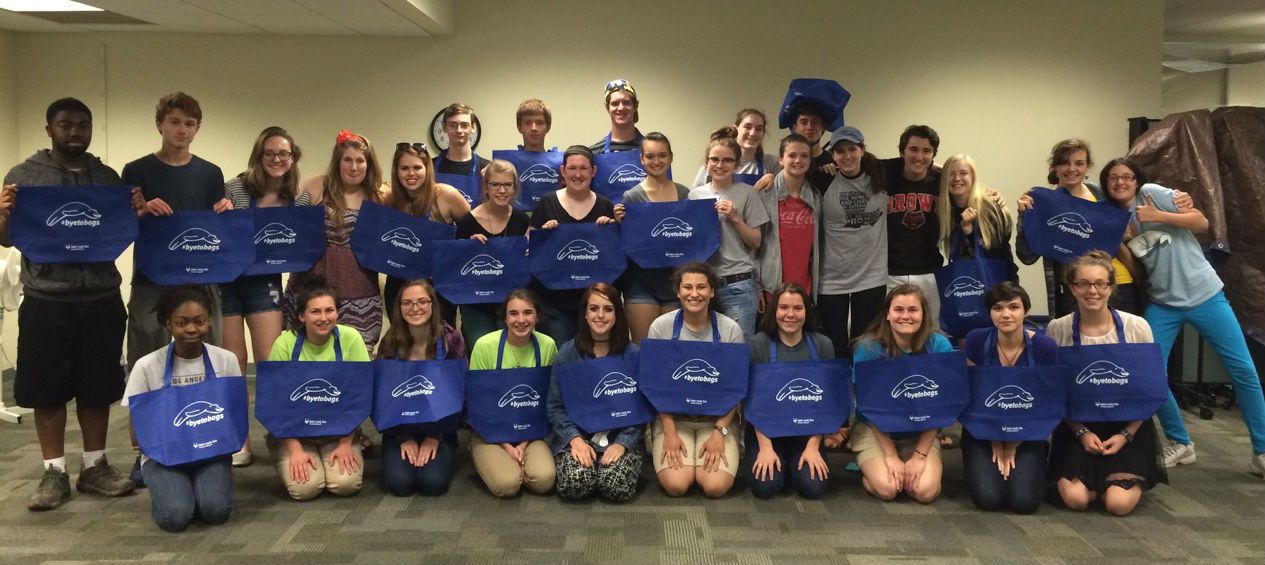
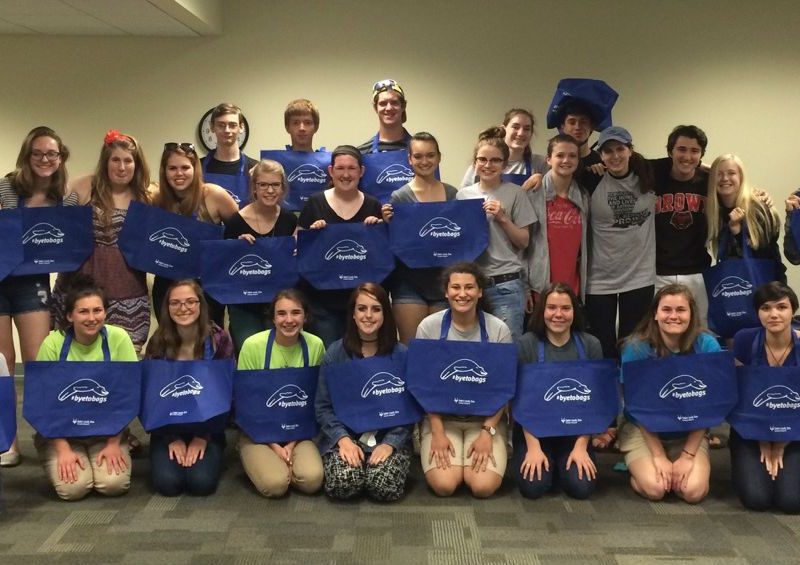
Teens with Bags: The ZooALIVE teen volunteers from the Saint Louis Zoo pose with their #byetobags reusable bags! They are ready to go and spread the reusable bag message! In the summer of 2016, Phillipe Cousteau, grandson of legendary explorer Jacques Cousteau, recognized youth as “the hope for our oceans.” Across the globe, there is an ever-growing group of young and passionate leaders with confident “can-do” attitudes ready to make positive changes for our planet. Today more than ever, these youth are involved in major conservation action projects. Countless organizations have dynamic youth groups helping them carry out their conservation missions. The Ocean Project placed special emphasis on youth engagement in 2016, with plans for expansion in 2017 and beyond. Despite these advancements, there is an untapped potential to allow youth to not only be involved in, but also build and lead conservation action projects. Providing youth with the right amount of guidance, while allowing them to create and accomplish meaningful actions for our oceans can reap invaluable benefits. During the course of the Innovative Solutions Grants program, our partners provided youth with some powerful opportunities. Program grantees uncovered new and innovative approaches towards youth engagement in the process. At the Arizona-Sonora Desert Museum, Debbie Colodner strongly encouraged others to, “engage the power of young professionals or university students to help make the case,” which, in their case, was that, “millennial customers care about where their (seafood) comes from”. Kirinne at St. Louis Zoo noted that, “one of the most exciting and successful parts of our campaigns was allowing the teens to experiment with the delivery of the #byetobags,” as their youth group learned a lot about not only engaging visitors on-site, but also through social media. The team led by the Woodland Park Zoo, summed it all up when writing, “empowering youth leaders to develop public, and especially peer-to-peer, conservation engagement efforts is highly recommended and can lead to exciting new engagement strategies!” They also added, “when teen leaders are developing public engagement efforts, their enthusiasm and ideas need focus to ensure successful implementation.” Rather than looking only at the opportunity to reach youth with information, many of the program grantees went “above and beyond” to explore how they might empower youth to improve and amplify a conservation message. The combined experience of grantees at the Oregon Coast Aquarium, New England Aquarium, Riverbanks Zoo, Saint Louis Zoo, Arizona-Sonora Desert Museum and Woodland Park Zoo all point towards an opportunity to increase youth leadership development all while advancing their conservation missions. In 2017, let’s strive to provide youth with more leadership opportunities and turn their positive “can-do” attitudes into meaningful action for our oceans. Stay tuned for more from the World Oceans Day Youth Advisory Council and from The Ocean Project on exciting new youth engagement and youth leadership development opportunities!
Continue reading -

Youth Making Waves for Ocean Conservation
2016 brought a variety of challenges and triumphs for our oceans. While the world faced the hottest year on record and Australia’s Great Barrier Reef suffered from its largest coral bleaching event, we were still able to celebrate the establishment of the largest marine protected areas on earth in Hawaii and Antarctica, and cities and countries around the world put disposable plastic bag bans in place. As 2017 begins, there are still many goals to be met towards a healthier ocean. With high expectations to continue the trend of protecting ocean spaces and decreasing plastic use, there is still a need to fill a major gap in these processes: creating opportunities for youth engagement. With youth ages 24 and younger making up nearly 40% of the world’s population, it is imperative that we involve young people in creating a movement for a healthier ocean. This past year, The Ocean Project prioritized youth engagement and youth leadership development in a few ways. We launched the collaborative campaign, Sea Youth Rise Up, and created the World Oceans Day Youth Advisory Council. We created the Council to expand the reach and impact of World Oceans Day not only on June 8th, but also year round. From dozens of applications, 11 youth were chosen from around the globe. This bright and diverse group of young people, ages 14-22, come from a variety of backgrounds and educations. They come together with unique sets of concerns and a passion for protecting our oceans. Among other things, the Council members helped decide the winner of the third annual World Oceans Day Photo Contest and also wrote a series of blog posts for the World Oceans Day website. In their blog posts, the Council members share stories of ocean issues which matter most to them, and their motivations for joining the Council. In 2017, we will be looking to significantly expand our youth initiatives, with the collaborative development of Sea Youth Rise Up and expanding the scope of activities with the World Oceans Day Youth Advisory Council. The Council will be furthering their involvement through helping us develop culturally appropriate information and materials in multiple languages and collaborating with us to create a global alliance of youth for our ocean, including tweens, teens, university-age students and other millennials. If you or your organization know young people who would like to get involved in World Oceans Day, subscribe to the World Oceans Day newsletter to learn more. We are excited to work with our partners to enable more youth take action for a healthy ocean, and together create a better future for us all. Click on the names below to read each Council member's blog post from the Youth Making Waves series. Kevwe, Nigeria Melati, Indonesia Eugenia, Portugal Brandon, Curaçao Gabriella, Canada Mohammed, Morocco Caitlin, Australia Sang Jin, Germany La Tisha, Trinidad & Tobago Baylee, United States
Continue reading -

ISG+ Final Report: Connecting Ocean Conservation and Community Engagement at the National Aquarium
This guest post, by Gabrielle Roffe and Curtis Bennett of the National Aquarium’s Conservation Department is the last in a 3-part series on their Innovative Solutions Grants+ project. This project has addressed the issue of marine debris by implementing a new approach to community engagement, with a specific focus on building our connection with the Hispanic communities near Masonville Cove in the Chesapeake Bay. Summary This past year, as part of The Ocean Project’s Innovative Solutions Grant+ (ISG+) Program, the National Aquarium has been trying a new approach to engage the Hispanic community throughout the South Baltimore neighborhoods of Brooklyn and Curtis Bay near Masonville Cove, the Nation’s first Urban Wildlife Refuge. The National Aquarium recognizes the value of providing opportunities for a diversity of students and community members to participate in conservation efforts, and has prioritized urban conservation efforts. The goal of these community outreach efforts is to not only improve the health of the neighborhoods and the watershed but to strengthen the community’s connection to their local environment. While the National Aquarium’s earlier community engagement projects had been successful, we recognized that we were not doing as well with the Hispanic community, a growing demographic within our target neighborhoods. Thus, we developed this project focused specifically on creating new and innovative ways to engage Hispanic communities on an issue we knew from prior research was a common concern: marine debris. The goals of this project were twofold: 1) Engage members of the Hispanic community in the removal of debris 2) Cultivate community champions in order to ensure ongoing engagement In order to successfully meet these goals, we had to develop a new and innovative approach to outreach, one that focused on connecting with community pillars in order to build trusting relationships. Successes In order to build long-lasting relationships within the Hispanic community we realized the importance of going beyond just translating outreach materials and programs into Spanish. By building trusting relationships with established pillars of the Hispanic community as outlined in our last post, we were not only able to better understand the interests of the community and inspire a more committed engagement in the project, but work towards building their capacity for future programming and project opportunities. Our approach was to connect with community pillars including churches, schools and parent groups. Community pillars are the places or people, that community members already trust and are a source of comfort, guidance and leadership within the community. We realized that by successfully engaging community pillars, we would be able to build relationships with individual community members and ultimately reach more people as part of our programming. While we engaged a variety of groups as part of this project, our biggest success story was our relationship with the Hispanic congregation TAYR in Brooklyn. From the onset, TAYR showed this willingness to become involved in community stewardship projects and were eager to collaborate. Working together to develop shared goals and programming illustrated our commitment to one another mutually beneficial and partnership. We were reminded that successful community partnerships take time to develop and have to be built on the foundation of mutually beneficial goals and an environment of trust. Initially we started with a long list of community pillars that we hoped to engage. We developed relationships with a Hispanic parent group at a local elementary/middle school, ESL students at a local high school, as well as TAYR. After meeting with various groups, we decided that for this project, we would focus on the quality of the relationship with TAYR rather than quantity, thus building on this genuine commitment from TAYR and ensuring that we weren’t over-extending ourselves or our resources. It was clear from the beginning that the relationship with TAYR was going to be special. We set aside time on a regular basis for meetings with Pastor Martinez and his wife, Veronica, and quickly realized that there were mutual goals. We learned about the community service and environmental project interests of the congregation and in turn, we were able to share potential program and project opportunities, primarily focused on debris prevention. These conversations helped us to collectively develop programs and events that aligned with each other’s goals and had a positive impact on both the community and the environment. TAYR Youth Group at a debris cleanup at Masonville Cove The following is a list outlining our interactions with the TAYR congregation, including program planning, promotion and facilitation: Regular meetings with the Pastor and his wife to plan for programs Attending church services and Sunday school to promote upcoming events Watershed 101 workshop at Masonville Cove (3 participants) Community cleanup in Brooklyn (114 participants) Native Habitat Garden Installation at the Dream Center (51 participants) Pollinator planting Sunday school lesson (33 participants) Latino Conservation Week event at Masonville Cove, including a debris clean-up, fishing, nature walk, and animal encounter (43 participants) Field trip to Patuxent Research Refuge (31 participants) Masonville Cove Fall Debris Clean-Up (6 participants) Programming and event planning with TAYR was a collaborative process, as illustrated and outlined below for the Latino Conservation Week event at Masonville Cove. We pitched the idea of a local event in celebration of Latino Conservation Week to Pastor Martinez and Veronica and discussed what activities would be of interest to their congregation. For example, they mentioned their love of fishing and we made sure to incorporate a fishing station for children as part of the event. They even helped us to rename the event, “Conservando la Naturaleza.” This event reinforced messaging from prior Spring and Summer programming, including lessons about the watershed and how trash flows from the community into Masonville Cove, as well as lessons about the benefit of wildlife habitat in urban areas, drawing upon the experience of planting the pollinator garden in the community and importance of connecting those green spaces to Masonville Cove. This event tied all of the programming together, allowing the community to see firsthand the natural treasures they have been helping to protect. Families fishing at Masonville Cove at the "Conservando la Naturaleza" Event Lessons Learned Over the course of this project we learned how to truly address the needs of a community and meet them where they are, in their community. We started this project wondering how to overcome language and cultural barriers in order to effectively reach the Hispanic community where there was no prior relationship. Our solution was to try to build mutually beneficial partnerships with interested groups. We utilized a community pillar approach and ultimately decided to focus on relationship quality over quantity. By building a strong relationship with the TAYR congregation and having multiple opportunities to engage with them, we’ve developed a partnership that will continue to be fruitful moving forward. We entered this program thinking that by cultivating a community champion and recognizing them as a Shore Hero, that we would foster that deeper, long-term connection. However, we found that we did not need to focus as much on recognition and awards, that the key to building a trusting relationship was finding issues of commonality and concern, to engage people in a way that is relatable. Throughout the project there was this sense that the work and overall collective impact was the true reward, a sentiment that was regularly echoed by community members. This shared feeling really helped to foster our mutually beneficial relationship. This partnership between the National Aquarium and TAYR has been nothing short of incredible. Here is a message from TAYR, expressing what this partnership has meant to them: “Ha sido un privilegio el poder ayudar en la comunidad porque hemos visto muchas caras alegres y las personas agradecidas por mantener un ambiente limpio y saludable. Estamos agradecidos por ser parte de estos eventos y esperamos seguir ayudando en lo que sea necesario. ¡Muchas gracias!” “It has been a great privilege to have helped our community because we have seen many happy faces of people being thankful for keeping a clean and healthy environment. We {TAYR} are truly thankful to be a part of these events and hope to keep helping in any other community needs. Thank you!” Community Engagement Tips and Advice We realize that engaging a new community or audience can be time-consuming, challenging or intimidating, but there are several lessons we learned that we think can help put other aquariums and zoos in the best position to achieve success. Take the time to familiarize yourself with the community, in both the physical and social sense. Just by walking or driving through the neighborhoods, not only do you begin to develop this sense of place, but you gain a better understanding of community assets and resources. From a social perspective, getting to know the community will help you identify specific audiences and community pillars where you may have overlapping interests. As you start this process, make sure to go where people are: the churches, the schools, or even the local businesses like markets and restaurants and reach out to them in a real and authentic way and people are likely to respond positively. Remember that building trusting community relationships is a two-way street, you have to get to know the community but you also have to give the community time to get to know you. It’s important to set aside time to meet in person with representatives of these community pillars to discuss their needs and interests and outline your programmatic goals as well. And because of the time commitment involved, recognize that you may need initially to prioritize, as we did, quality over quantity. From there focus on opportunities to create mutually beneficial goals in order to create a collaborative effort. The importance of collaboration, in all phases of the programmatic process, from development to implementation, can’t be overstated. Once you’ve established partnerships with community pillars, additional opportunities can become available to build new connections with other community pillars. At the end of the day, we found that successful community engagement should focus on that human interaction, showing that you care and are available to listen and provide support. Planting native flowers with TAYR Sunday School Moving Forward For the National Aquarium, the success of this project to engage the Hispanic communities within Brooklyn and Curtis Bay can be attributed to going beyond just translating educational and outreach materials but translating our programmatic experiences to ensure that they were relatable. While this is the culmination of The Ocean Project’s ISG+ grant, this is truly just the beginning of the work that we will continue to do with Hispanic communities. Pastor Martinez is currently working with us to reach out to other Hispanic churches in the area, to vouch for our relationship so we can start building new ones and expanding our efforts. We also want to focus on capacity building throughout the community, to ensure that community groups have the ability and are ready to participate in future program and project efforts.
Continue reading -
Rising Up for the Ocean
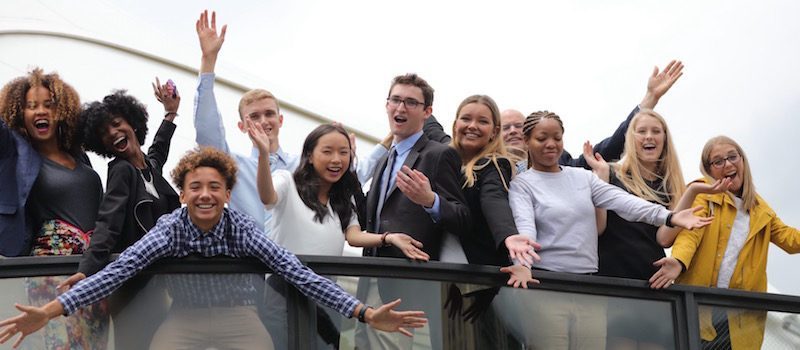
Growing up on the coast of Florida, I had the chance to connect to unique marine environments and their inhabitants at an early age. Experiences with my family exploring Florida’s water resources, and learning more about these habitats through summer camps and education programs prompted my first interest in the wonder of the ocean. As I got older, my interest in marine science grew into an interest in ocean conservation – working with my friends and family to take action to protect the priceless marine resources of my home state. Through these early experiences I learned the importance of the ocean, how it connects people from all backgrounds on a global scale, and how it plays a key role in the existence of life on earth. At a young age I also learned the ocean is in trouble. From plastic pollution and climate change, to overfishing and habitat destruction, this priceless natural resource is threatened by the actions we take on a daily basis. Now through my work directing the Youth Ocean Conservation Summit, and work with aquariums and conservation organizations on a global scale, I’ve seen the urgent need for action to address these challenges now. I’ve also seen the importance of engaging young people as leaders in the ocean conservation field, building on their passion, new ideas, and energy to build a movement to protect our blue planet. The Sea Youth Rise Up campaign, launched in the spring of 2016 as a collaborative effort between The Ocean Project, World Oceans Day network, the Big Blue & You and the Youth Ocean Conservation Summit, is designed as a platform for young people to rise up for our ocean, share the important work of young conservation leaders, and inspire a global audience of young people to understand the important leadership role they play in protecting the ocean. Utilizing World Oceans Day as a rallying point, the campaign brought together seven young ocean conservationists from the United States, Canada, and the Bahamas: Ben May, Laura Johnson, Dazja Dorsey, Baylee Ritter, Simeon Bethel, Lindsy Myers, and Gabriella Schauber, for three days in New York City and Washington D.C. – allowing these incredible students to share their message of the importance of protecting our ocean with world leaders and their peers. Selected through a global video contest, as well as nominations from our Sea Youth Rise Up partner organizations, our 2016 Sea Youth Rise Up delegates arrived in New York City on June 7, 2016 and prepared for an exciting lineup of events and activities to celebrate World Oceans Day 2016. During our time in New York, Sea Youth Rise Up co-creator, Danni Washington and I joined our delegates for a Live World Oceans Day Google Hangout on Air, hosted from the New York Aquarium, where delegates had the opportunity to share their ocean conservation work and interests, the importance of youth leadership in the field of ocean conservation, and advice for other young people interested in ocean conservation who watched the broadcast from around the world in the United States, New Zealand, India, Curacao, Pakistan, Germany, Somalia, Greece, the Bahamas and Canada. A #SeaYouthRiseUp social media and Thunderclap campaign further highlighted the importance of youth leadership in ocean conservation to a global audience. Delegates also had the exciting opportunity to meet with ocean conservationist and singer/songwriter Jack Johnson, and attend the United Nations World Oceans Day reception. After a whirlwind tour through New York City, our Sea Youth Rise Up team headed out early on June 9 for our nation’s Capital where they participated in a White House Roundtable with members of the White House Council on Environmental Quality. Through this unique experience, delegates had a chance to share their support for the creation of additional marine protected areas, and discuss the administration’s ocean conservation priorities. Our D.C. adventures continued with a stop at the Newseum for Capitol Hill Oceans Week, where our team members took part in a live broadcast with the National Marine Sanctuary Foundation, and visits with staff members from Youth Service America and EarthEcho International during a wrap up picnic on national mall. We are incredibly proud and inspired by the young people who stepped up and raised their voices for the protection of our ocean through this special event. We’re also excited to continue to share their stories through the upcoming Sea Youth Rise Up short film, tracing their ocean conservation journeys and Sea Youth Rise Up experience, further calling on a global movement of young people to rise up and take on the challenges facing our planet’s marine ecosystems. A special thanks to the partners and sponsors who made this program possible – The Ocean Project, World Oceans Day network, Big Blue & You, Youth Ocean Conservation Summit, NOAA, the National Marine Sanctuary Foundation, the Coastal Ecosystem Learning Center network, jetBlue, the Wildlife Conservation Society’s New York Aquarium, Youth Service America, and EarthEcho International. We are incredibly grateful for your support and belief in the power of young people to positively impact our planet. If you’d like to learn more about Sea Youth Rise Up, and the inspiring work of our 2016 delegates, be sure to check out www.seayouthriseup.com or connect with us on Facebook, Twitter, or Instagram. Sean Russell is the co-creator of Sea Youth Rise Up. He is the founder and director of the Youth Ocean Conservation Summit, and works with SeaWorld, Mote Marine Laboratory, and conservation organizations on a global scale on youth leadership initiatives. You can follow him on twitter at @seandrussell.
Continue reading -
ISG+ update: Connecting Ocean Conservation and Community Engagement at the National Aquarium
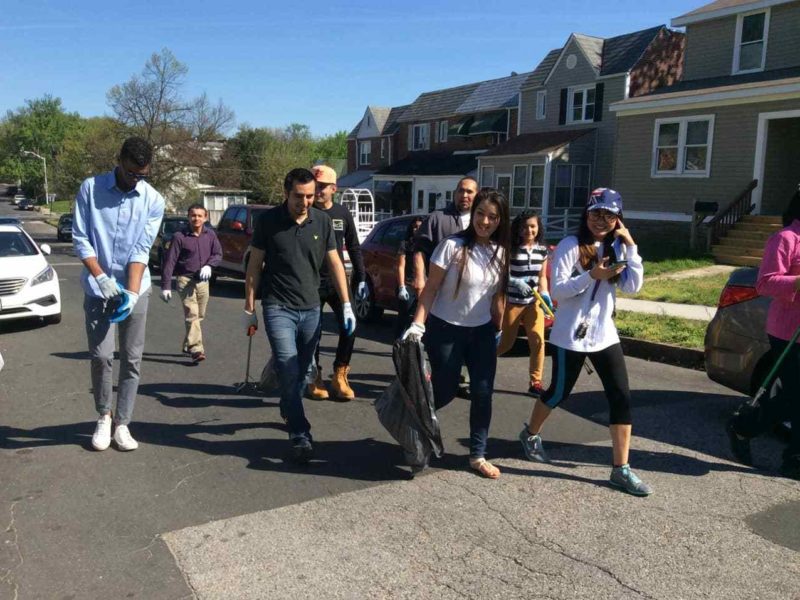
This guest post, by Gabrielle Roffe and Curtis Bennett of the National Aquarium’s Conservation Department is the second in a 3-part series on their Innovative Solutions Grants+ project. This project will be addressing the issue of marine debris by implementing a new approach to community engagement, with a specific focus on building our connection with the Hispanic communities near Masonville Cove in the Chesapeake Bay. Review of Project Goals Through this Community Engagement and Environmental Stewardship Project, the National Aquarium’s Conservation Department is focused on building connections with the local Hispanic communities within the larger Brooklyn and Curtis Bay communities and addressing the problem of litter and debris. The specific goals of the project, as described in our initial post, have been two-fold: Engage members of the local Hispanic populations in the removal of debris Cultivate community champions in order to ensure ongoing engagement Step-by-Step Process The first and most important step for us was to identify “pillar organizations” within the local Hispanic Community. In each and every community, there are existing organizations, congregations or schools who serve community members in a variety of ways. We felt it was important to reach out to and ultimately collaborate with these groups, rather than going at it alone, because they have the prior trusting relationships with the communities and, as a result, they can provide that connection and help to bridge the gap between our organization and the community itself.For our project, we have wanted to ensure that our programs are engaging people of different ages, backgrounds and interests. With that in mind, we specifically targeted three pillar organizations that also shared our interest in addressing the issue of litter and marine debris: The Templo de Alabanza Y Restauración (TAYR) Congregation Lakeland Elementary/Middle School Parent Group and ESL students at Ben Franklin High School at Masonville Cove. Over the course of our project so far we have been fostering relationships with each of these groups and in the following paragraphs we’ll outline our engagement with each group to date. TAYR TAYR is a Hispanic religious congregation that hosts weekly services at the Pathway Church of God, located within the Brooklyn community. We scheduled an initial meeting with the Pastor and his wife, during which we explained our organizational mission and they immediately connected to the importance of community work and protecting the natural environment. It was very relatable to them, because they told us that in the areas where they come from, in their countries, nature is abundant, and they recognize its value and thus appreciate the value of nature in their current communities and at Masonville Cove. TAYR congregation members painting storm drains outside their church Once we had the support of the congregation leaders, we then started to branch out to the congregation as a whole. We attended Sunday school and church services to talk about the various events at Masonville Cove and our community workshops, such as our Watershed 101 workshop, which we were offering in Spanish. The Pastor and his wife also suggested hosting a community cleanup after Church services. The planning of the event was a truly collaborative process, working with them to finalize the structure and flow of the event. Normally for debris clean-ups, our staff is responsible for leading groups of participants; however, for this community clean-up we adjusted the model to allow congregation members to be group leaders. We believed that empowering them to lead fellow congregants and community members would lead to a higher likelihood of sustainability of these efforts. So the Pastor and his wife recommended members of the congregation to be group leaders for this community clean up. A group of TAYR congregation members during a community cleanup Successes Met with the Pastor and his wife 4 times to discuss our collective programming goals. These meetings were a great way to share our collective ideas on what types of programs are of interest to the congregation and methods to best engage their congregants. Talked to 65 adults and 50 youth during two visits with the congregation to inform members about upcoming events. This method of event promotion is successful because you are being directly introduced by the Pastor, a respected leader, and you are then able to reach a larger audience. Engaged 80 adults and 34 youth during a community clean-up on April 24th. Participants also stenciled 5 storm drains during the event. The Pastor and his wife assigned their congregation leaders as our cleanup group leaders for this event. The congregation leaders then brought their cohorts to the cleanup which resulted in a wide attendance. Lessons Learned Hosted a Watershed 101 workshop at Masonville Cove with 3 attendees. The attendees were the Pastor and his two sons. We learned that we had the Pastor’s buy in for our work, but our message had not reached the congregation by simply talking to them about the event at church service. The Pastor felt disappointed that his congregants did not come to an event, however he did see that our work and associated projects are not only important but that they are fun and engaging. After this event, he took a bigger leadership role in order to ensure that his congregation was engaged. Students from the Youth Group were planning to come to our April 2nd Masonville Cove clean-up, however due to inclement weather, they were unable to attend. We learned that targeting a specific group within the congregation is a great way to get a focused attendance. The youth group and the congregation leadership group are tight cohorts who will come together when requested by the Pastor and his wife. Gaby Roffe (right, National Aquarium) and Nia Edwards (left, Hispanic Access Foundation), instruct TAYR congregation members for storm drain stenciling with stencils in English and Spanish. "Basura de nuestra calle contamina nuestra bahía" which means "Trash on our streets today pollutes the waters of our bay" Ben Franklin High School Over the years, we have built a very strong relationship with Ben Franklin High School (BFHS), as their students participate in many of our environmental education programs. Courtesy of this project, we have been able to engage them on a different level, focusing specifically on their community and collectively determining solutions to local environmental issues, specifically debris accumulation. BFHS has a growing Hispanic student population and English as a Second Language Program. Due to the language barrier, our past programs weren’t doing as good of a job as they could be to engage these students. Having staff on board now that are learning to and/or can speak Spanish fluently has been a huge step in the right direction. Now we can truly ensure that our programming is all-inclusive by translating programming into Spanish and making an effort to reach out to Hispanic students. We’ve coordinated various workshops with the Environmental Science teachers and worked with administrative staff to plan Benfest, a community event hosted by BFHS. Successes Engaged 39 students during 3 Watershed 101 workshops. Engaged 52 students during a classroom visit and schoolyard walk focused on stormwater runoff and designing possible solutions. Engaged approximately 800 people at Benfest, during which participants received and decorated 45 recycle bins, stenciled 3 storm drains and picked up trash around the schoolyard. Lessons Learned We targeted the Environmental Science classes which had already been engaged through our Watershed lessons. The teacher informed us that she had many ESL students in her classes and it would be helpful to lead groups in English and Spanish. All of the students were excited about this, both the Spanish speaking students, who were excited to have programming tailored to them, as well as the students who did not speak Spanish, who were excited to hear translations. Partnering with an existing community event is a successful way to engage a wider audience. We were able to pull new community members into our programming and engage larger numbers in hands on community stewardship activities. Lakeland Elementary/Middle School Parent Group Lakeland Elementary/Middle School has a Hispanic parent group that hosts monthly breakfasts. We have attended in order to hand out flyers, highlighting different events, both in the community and at Masonville Cove. Through this group we have connected the Hispanic community members to Masonville Cove and learned about their programming interests. Successes Attended one parent breakfast, during which we talked with 28 people about upcoming Masonville Cove and community events Lessons Learned The majority of the audience was unfamiliar with Masonville Cove and their programming. They did exhibit initial interest in programming, although it has been challenging to follow up with this group because we do not have their contact information and they only meet once a month. We may have to explore and implement different strategies in order to engage this group. Moving Forward In the past we did not use a direct approach to connect with Hispanic communities, so we cast a wider net throughout the community to advertise programs and events. This community pillar strategy is proving successful in allowing for a more direct and focused approach to identifying, selecting and engaging specific audiences and building trusting relationships with them for continued involvement. TAYR congregation members clean the streets of Brooklyn, Baltimore We have learned that in order to build trusting relationships with cohorts, it is important to communicate on a regular basis with the group leaders, who are trusted by community members. When the leaders vouch for your events, community members are more likely to attend. It is also important to attend community events that might not necessarily be related to your work, but helps build a relationship that is a two-way street. Based on the results to date, we will focus the majority of our efforts over the summer towards the TAYR congregation, continuing to involve them in community clean-up events, workshops and field trips to Masonville Cove with their Youth Group. As we progress we will be able to identify community champions from this congregation as well as identify opportunities to partner and engage with other community pillars.
Continue reading -
ISG+ Final Report: The Florida Aquarium’s Collaborative Approach to Community Engagement
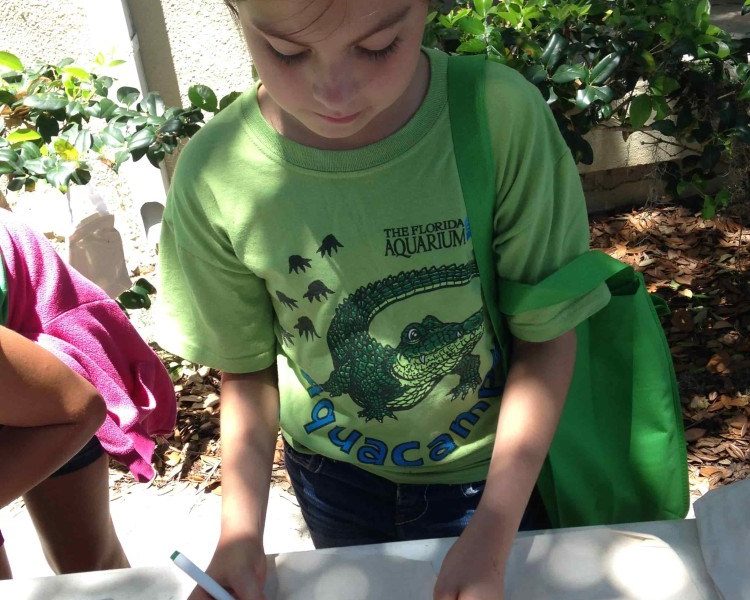
This guest post, by VP of Education Debbi Stone at The Florida Aquarium, is the final in a 3-part series on their Innovative Solutions Grants+ project, supported by a grant from NOAA to The Ocean Project. The Aquarium’s project asks “Can we gain valuable insights about how to engage an underrepresented audience by working together to design the approach?” Click here to read the previous post in this series. The Background: With our Innovative Solutions Grant, we worked with the students and staff of DeSoto Elementary to investigate an important question: Can we gain valuable insights about how to engage an underrepresented audience by working together with members of that audience to design the approach? As a growing population in our county is Hispanic, we have been interested in initiatives to engage this demographic. DeSoto was, in numerous ways, a perfect partner: a Title 1 School attended primarily by children whose families cite Spanish as their first language, as well as over 90% of students qualifying for free or reduced lunch. Throughout the school year, we worked with each grade level to identify an ocean problem of particular concern to students and families, as well as a solution step that they and others in the community could take to help address that issue (in keeping with the finding from The Ocean Project’s research that aquarium audiences expect, trust and appreciate when we start with the solutions, and recommend ways they can help). As discussed in our last blog post, we discovered that the children’s interests and concerns were not altogether different from what we found elsewhere. They were interested in conserving the ocean and its animals and were especially concerned about issues similar to those that resonated with other audiences. Together, we chose to focus on reducing marine debris and specifically plastic bags. Feedback from the design phase: We intended our project to provide a new and innovative way to gain insight into this audience, as well as how we could design meaningful engagement opportunities. Working together with the school in the design phase proved to be both informative and rewarding for aquarium staff, and, it turns out, the teachers too. To help with our evaluation, the Lead Teacher from DeSoto Elementary obtained and consolidated feedback from all of the participating teachers about their experience with the project. Here is her summary: What worked especially well? “Letting the students zero in on the issues that they wanted to explore provided ownership and contributed to increased confidence and engagement.” “Wrapping this project into Earth Day, something the school participates in annually, was a great idea (as it) didn’t feel like ‘another add-on.’” “Having a budget for materials and supplies made a huge difference!” What might they do differently? “Spend more time on (developing) ‘the ask.’ This was a challenging concept for the students, and even for some of the teachers....connecting content to what they and others can do to effect positive change was a cognitive leap for them.” (A concern also raised by our staff, as noted in our earlier blog post.) “They wished we could do the Aquarium field trips earlier in the (process), but this is unfortunately due to (factors) outside the scope of this project” Would recommend the project to others? “There was not a single teacher who indicated that this was not a worthy project and, in fact, the desire is to be able to do this annually with ongoing funding.” “(The teachers appreciated) that the Aquarium was so delighted by the students’ ‘spin’ on the reusable bag (experiment)…in this project, students helped us potentially solve a problem. What an opportunity for young minds!” From design to testing! A key goal of this project was to focus on an issue that resonated with the students and to test an approach developed by the students. As noted earlier, the students from DeSoto and the staff from the Aquarium together had determined that an “ask” of using reusable instead of disposable bags was what we would explore further and test. While many organizations promote the use of reusable bags, the students added their own twist, hypothesizing that decorating one’s own bag might make the practice more fun, more personally relevant, and more likely to be implemented. And after the great feedback from the teachers, we were even more excited to try it over several days and as a stand-alone activity. We ordered plain cloth bags, stamps, ink, stencils, and a few other supplies for inspiration for a test run over nine days in December. We piloted the approach we developed together, and the response was overwhelming! Aquarium staff set up tables during peak times. When guests approached the table, they were asked to make a verbal commitment to using reusable bags instead of disposable bags, and, once made, we gave them the opportunity to design a reusable bag of their own. Over 28 hours of testing, more than 2,735 bags were designed by our visitors. In other words, this was nearly 100 bags per hour, impressive given that we were space-limited by a table as well as each bag taking between five and ten minutes or more to make. As a comparison, for a normal activity station, we typically average less than 40 participants per hour engaging with educators. In short, there was never a break at the table. As soon as a space opened, it was filled. This was undeniably popular! In fact, this activity was so popular that it was a challenge to do more than just keep up with the demand for the bags! Our initial plan was to investigate whether there was a difference in response if the messaging around our “ask” was connected back to its origin with the DeSoto students, rather a more traditional aquarium association (e.g., “Help sea turtles…”), and perhaps also look at differences in response among visitor groups. But in practice, the seats were refilling before we could even say, “You can make a difference by designing your own reusable bag…” and attention quickly turned to the art. We were able to gather some qualitative feedback while the “artists” were at work, but not as much, nor as systematically, as we had hoped. We asked about the reasons why people were participating, and visitors told us that they were excited about the prospect of using their bags and indicated they planned to do so, including a common theme about designing bags to keep in their cars for grocery store trips. And when asked how they would be making a difference, it did seem as if our intent was getting through to them, as a majority of guests cited the reduction of plastics, as well as helping to ensure bags don’t end up in landfills or in the ocean. Lessons learned Those who staffed the table have been begging to do it again. Of the eight staff and volunteers who rotated through the staffing of the table, all were very enthusiastic. As our Education Volunteer Coordinator put it, “You would think this was entirely for the guests, but No Staff Member to show enjoyed setting a goal for distributing so many in a given time…they had so much fun decorating with the children and adults alike…fun was had by all!” Yet because we weren’t able to gather enough guest feedback, there are lingering questions about whether it was truly effective in terms of advancing conservation action. For example, our team reported that it was difficult to ascertain the extent to which the activity went beyond being a “craft” or “holiday gift” (given that we were trying this in December). And two team members felt it was likely that when we asked about the “why,” there was an element of guests giving the answers they suspected we wanted to hear. Another team member reported that since we were giving something “for free,” visitors might feel obligated to go out of their way to “thank us” by appearing to be extremely “on board,” something that has been raised in the past when attempting to gather visitor feedback. And it was clear that if we do this again, as we hope to do (see below!), it will be helpful to do so at a less crowded time and with more staff capacity, not only to engage the visitors, but also to more systematically track their reasons and responses. Final takeaways As our grant period comes to a close, here is our advice to zoo and aquarium colleagues based on our experience: If you want to engage a new or underserved audience, start by reaching out to members of that audience for insights and ideas. If there is an issue or action of common interest between your audience and you, but you worry, as we did with reusable bags, that it is “old news,” consider a new approach. The children’s idea to allow guests to customize or otherwise make a reusable bag more “their own” proved to be a fun way to engage visitors, and, we hope, just the beginning of a deeper relationship with the school and the Hispanic community. When testing a new approach, control your variables! As noted above, we worry, for example, that we didn’t adequately account for the impact of the holiday season when we tested our idea. Be prepared for success. We didn’t expect the high demand at our stations and struggled to keep up, especially with our monitoring and evaluation plans. Find ways to follow-up with interested guests. We will continue to follow up with the students and school, but we may have missed an opportunity to continue the engagement with the guests who were so keen to create a bag. An anticipated epilogue Because this proved to be so popular with our guests, we’re going to present this activity again in June around World Oceans Day weekend using funds in our operating budget or with external funding for more bags and art supplies. For all of the reasons cited above, we are intrigued by the promise of our test period and want to continue to work with The Ocean Project to help answer our lingering questions about the impact on our guests. Given how the activity essentially “sold itself,” we will focus less on testing different ways to invite people to participate, and focus more on assessing the impact of having participated. To do this, we plan to use an exit survey with a set of questions covering their concern about the problem, their opinion of the Aquarium and their feelings about making a difference, then compare and contrast the responses of those who participated (i.e. those who made a promise and designed a bag) and those who did not (i.e. those who simply visited the Aquarium), while also looking to see if, as our experience with the students suggested, this activity goes over especially well with our Hispanic guests. Through this experience, we have learned an invaluable lesson about deliberately considering how to pilot new and innovative ways to approach goals. We may find ourselves, at times, falling back into “tried and true” methods for engaging our audiences, yet if we’re simply maintaining success or not growing, it may be time to consider a new spin on our efforts. In short, we still haven’t answered all of our questions…yet isn’t that part of the thrill of striving to make a difference in the world? So stay tuned! About the Author: Debbi is Vice President of Education at The Florida Aquarium and has been challenging herself and others to move beyond information… and onto action! She enjoys living in harmony with all things furry, scaly, feathery, and slimy, whether on land or under the water. She is always eager to work with The Ocean Project and its partners and considers collaborations key to making a positive difference in the world.
Continue reading