-
ISG+ Update: Seattle youth CAN engage their peers on transportation
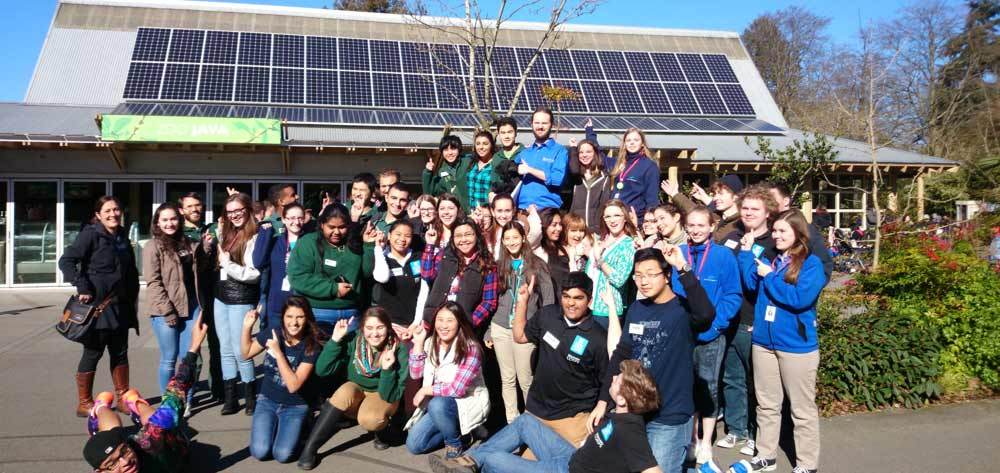
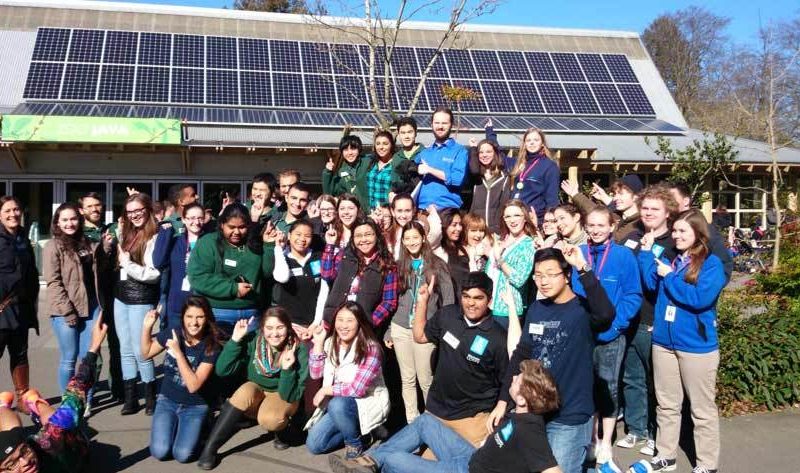
This guest post by Eli Weiss of Woodland Park Zoo is the second in a 3-part series on their Innovative Solutions Grants+ project, exploring how teens in the Seattle area can empower each other and their peers for action on climate change. Woodland Park Zoo, along with our partners the Seattle Aquarium and Pacific Science Center are working together to build the Seattle Youth Climate Action Network (CAN). The goal of this Innovative Solutions Grants+ project is to train and support teen leaders, helping them create a campaign that encourages their peers to take measurable action on the issue of climate change. Since our first post, I have been working closely with partner staff from each institution to keep this pilot year on course. In addition, I have continued outreach to local agencies and organizations to build local support and enthusiasm for the project. Seattle Youth CAN is picking up momentum - we have had a handful of successful events and have already learned a lot about starting a local youth network. Our training model for this effort has included engaging teen participants in hands-on action; a full day of instruction on climate science, communication strategies and local examples of climate action; and a campaign design workshop for the leadership group. Training Part 1: Leading with action We began our training with an inspirational day of action. In collaboration with Forterra and Green Seattle Partnership 30+ Seattle area teens planted over 200 trees and native plants along a high traffic bike path in North Seattle. The event was an energetic gathering, and participants enthusiastically planted trees to offset the Woodland Park Zoo’s carbon emissions through the Evergreen Carbon Capture Program. Training Part 2: Climate leadership workshop A month later, we brought 40+ teens from the three institutions to the Zoo for leadership training on climate change science, communication strategies, and action. To spark ideas for their own campaign, teens heard from local organizations and agencies and explored examples of climate action. Among the presenters were staff from Climate Solutions, Seattle City Light-Community Solar Program and Forterra. Each community partner shared their own work and pitched project ideas for how Seattle Youth CAN could partner with them. At the end of a full day of learning, participants shared which action campaign ideas they were interested in through a survey and small group discussions. Teens left the workshop energized and ready to get Seattle Youth CAN off the ground. Training Part 3: Campaign design workshop for youth leaders As the next step, a climate campaign design committee was formed with teen representatives from each institution. This committee met every other week to come up with a focus and plan for a summer action campaign. I facilitated this group process along with support from staff from our partner institutions. Rather than reinventing the wheel we used existing models for campaign design, including “Planning to Win”, and committee members participated in a workshop on ‘behavior change’ from our in-house audience research experts. The committee hosted teens and staff from the Oregon Coast Aquarium’s Unplug for an OA campaign, and participated in a King County community forum to gather their input to help inform an updated Climate Action Plan for the County. We received great feedback from teens and staff about starting the training with an action event, as well as the content of the full day training. One thing that we would do differently would be to make the “communicating climate change” piece its own, more in-depth, workshop. During this training we included it with the climate science overview and examples of local community action, so weren’t able to dig in as much as we wanted. Crafting the pilot campaign After several months of research, planning, and meetings, our campaign design committee chose a transportation action campaign to launch later this month. Their research and interaction with city and county experts found that over 45% of Seattle’s CO2 emissions comes from local transportation choices. The group felt that making smarter transportation choices would was something their peers could actually do to measurably reduce their carbon emissions. While they are still working out the details with the message and tactics, we know the teens will be inviting their peers to participate in a challenge to reduce their carbon footprint by increasing their use of public transit, biking, walking and carpooling. With the help of our evaluation staff, the group developed an evaluation plan using an online platform hosted by King County Metro’s Ride Share Online program to track participation in the challenge. At the start of the challenge, participants will complete a baseline survey to help the group to measure behavior change for participating teens over the course of the month. In addition, we will be working with local transportation agencies and organizations to increase teen awareness of how to make smart transportation choice through events and activities. Teen leaders at each institution will promote the challenge with their peers and they hope to engage 100+ participants in action. Expanding interest Since our action event and full day workshop earlier in the year, we have continued to organize monthly Seattle Youth CAN events. These events are designed to enable other teens from the three institutions to get involved and deepen their understanding of Seattle Youth CAN and related climate change issues. Last Thursday, for example, teens organized and hosted an event at Woodland Park Zoo, “The Impacts of Climate Change on Wildlife.” We had over 60 youth attend the full day event which included presentations from local climate scientists from NOAA and The University of Washington, as well as youth led climate focused tours of the zoo and community building activities. More than half of the teens who attended were new to Seattle Youth CAN and we were excited to see the continued enthusiasm for our growing network. Learning as we go We’re feeling good about our progress the identity that we are building through the network, the trainings and events that have been well attended by our teens, and the support we have received from our partner institutions and community supporters. Our teen leaders and other members of the network are eager to finally launch the action campaign and be able to share with their institutions and peers how they plan to take action to reduce CO2 emissions. A big challenge so far has been finding the balance between structured workshops and committee meetings to best provide the room for our cross-institution teen leadership group to innovate and take ownership of the campaign. Creating a structure for truly youth driven action and leadership, while providing participants with enough resources and support is at the core of our program model. Our teens live busy and complex lives and creating a leadership opportunity with the right mix of structure and space is something we continue to work on. After many months of supporting the group in moving their planning forward, we are proud to announce that the challenge officially launched this week! Next moves For teens in Seattle Youth CAN, August will be a month of action and learning as they work to engage their peers in behavior change, focused on making sustainable transportation choices. In September teens and staff will also focus their efforts on planning for the Youth Climate Summit that we will host on October 10th at Woodland Park Zoo. At this event our campaign leadership group will have the opportunity to share the results of their transportation challenge with a large audience of peers. We also see this event as the opportunity to expand our network beyond the current three institutions and invite other Seattle area teens to join Seattle Youth CAN. I believe that with continued support, we can expand this network to be inclusive of all youth in our area who want to get involved in climate action. I am also hopeful that, as we refine our model, it will be something that can be shared and used by groups around the country looking to engage youth in collective action. What gives me hope Skylar Widman, a high school intern at WPZ and active member of the climate campaign design committee, recently shared his experiences in Seattle Youth CAN with educators participating in our Advanced Inquiry Maters Program: “Before CAN I tried to make choices that helped the environment and now I realize that there are many other teens that what to take action and that as a group we can have a greater impact in fighting climate change.” -- Guest post by Eli Weiss of Woodland Park Zoo
Continue reading -
ISG+ Update: A Collaborative Approach to Community Engagement at the Florida Aquarium
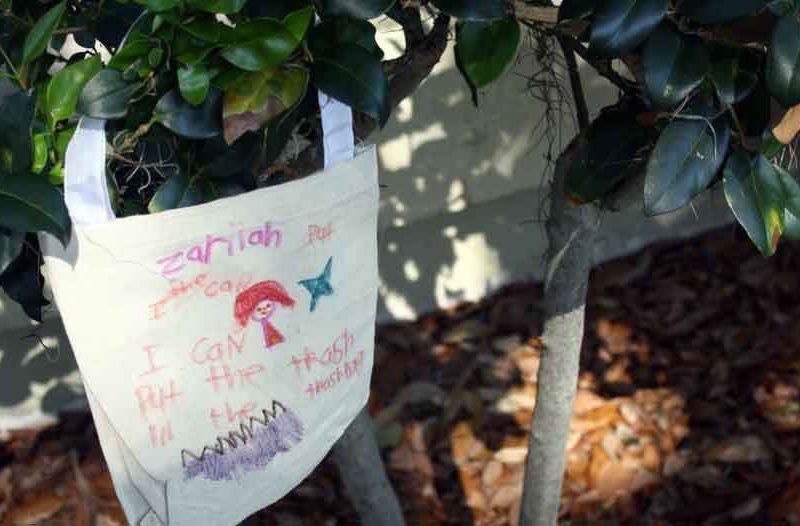
This guest post, by VP of Education Debbi Stone at Florida Aquarium, is the second in a 3-part series on their Innovative Solutions Grants+ project. The Aquarium’s project asks “Can we gain valuable insights about how to engage an underrepresented audience by working together to design the approach?” Click here to read the previous post in this series. What We Set Out to Accomplish The key components of the project so far have included: Work with DeSoto Elementary School’s teachers to plan the best way to design, schedule, and complete the project over the school year Provide the necessary materials and resources to complete projects Engage approximately 200 students in grades K-5 to identify ocean issues and actions that are relevant and meaningful to THEM Help students and teachers create an idea for a conservation ask Share these ideas back with the community and Aquarium visitors Choose one or more of the student-designed asks for staff to refine test over the summer with Aquarium visitors Working with the students was rewarding, and has included visits to the school as well as field trips to the Aquarium. To begin, we reviewed the age-level requirements from the school district and structured our content and activities to align with what the students were already scheduled to learn at key points in the year. This allowed teachers to include this project seamlessly into their classrooms, which was essential, as we had heard from them that it is often challenging to “add something new” or otherwise modify their plans for the year. What Are the Outcomes…So Far? The benefits of the partnership to date have been numerous. The teachers were excited to receive science and environmental education support from Florida Aquarium staff, and the project brought resources to the school that would not otherwise have been possible. From science supplies to consumables, books to posters, the students and teachers were delighted to have access to science materials in both English and Spanish. From the Aquarium’s perspective, it was rewarding to experience the enthusiasm of the school community as they utilized the materials throughout the year while completing their projects. It was also fascinating to hear about topics of interest to the students, as those they selected were diverse and included focus areas such as watersheds, sustainable seafood, “keeping wild areas wild” (responsible wildlife viewing and interaction), pollution, and opting for reusable bags over paper or plastic. An initial challenge was the way in which the concept of advancing conservation through an “ask” or call to action was new to all grade levels. Students were already comfortable with learning the science content and environmental information, yet the next level of how they might use that knowledge to help inspire others was a new venture. Aquarium staff worked diligently with the teachers and students to help them move from “building knowledge of a watershed,” for example, to what a call to action for “helping to conserve a watershed” might be. A great deal more time than expected was spent on this, yet we knew from The Ocean Project’s research that it was needed. From our perspective, we now recognize that “diving into a discussion of a call to action” is likely a greater leap for most than we had realized. This helps us to rethink our strategies in working with our partners, as many of them may be unfamiliar with the application of knowledge as a means of moving an audience to the next level of engagement. An a-ha moment came with the recognition that the students and families involved had similar interests to what we tend to discover with other audiences. Notably, we found that the connection to wildlife and the animals was as important to the Hispanic families from DeSoto as it is for other audiences with whom we work. So a key learning point from this project is that the key to our success may be less about changing or translating our message and more about rethinking our methods. Traditional marketing approaches may fall short, yet working with specific schools can be a successful model. And through this project, we connected with a representative from the Mayor of Tampa’s Hispanic Heritage Council, and she has eagerly agreed to work with us on those methods for better engaging the Hispanic community. The initial phase of our project culminated in a win-win for all involved - Family Day at the Aquarium on May 9th, 2015. The students and their families were proud to act as experts, sharing what they had learned with our diverse visitors, while also encouraging them to consider the calls to action, the ways visitors could help with some simple behavior changes in their own lives. The content was enjoyable to our visitors, who clearly enjoyed engaging with the students, and both the students and our visitors likely learned a great deal in the process. The “asks” they presented included choices around the issues of paper/plastic/reusable bags, organic versus non-organic food, pets/exotics, litter and debris, ocean-friendly seafood, and more. And the approaches to these asks were creative and fun, from making art with “trash” rather than adding it to landfills, keeping a personally-decorated bag in one’s car to collect roadside litter, to becoming a better wildlife photographer rather than striving to “touch” or interact with wildlife. While the asks were not specifically targeted to Hispanic audiences (Family Day was held on a Saturday that reflected our typical diversity of audiences), the recognition previously cited that the student’s interests and enthusiasm mirrored other audiences likely contributed to their asks resonating well with our daily visitors. How Are We Moving Forward? At this stage of the project, we are working on adding some “professional polish” to one of the student-designed calls to action so that we can continue to use it on a regular basis with Aquarium visitors. While we had anticipated going with a unique or otherwise unexpected “ask,” the one that seemed to resonate most with our visitors was the reusable bag call to action as a way to help the animals and address the problem of marine debris. The information presented by the students on this topic seemed to generate the most conversations, the highest number of “surprised” responses (“I never knew that…”), and also the one that visitors felt could be easily accomplished by all ages and backgrounds, yet also make a huge impact. We are now working on strategies to help illuminate the impact of choosing of a reusable bag over a disposable one, including more animal “stories” beyond the problem of accidental ingestion. We also need to develop an evaluation plan, as the students were not able to include that in their ideas. We had already incorporated a reusable bag message into our pathway, doing so even before this project to a sporadic degree, so our work now includes a more formal and organized approach that also includes visitor follow-up. The follow-up component challenges us in this project, as it has with others, as we’ve found that our visitors can be hesitant to provide contact information, but we will look to the successes and lessons learned from the recent “Better Bag Challenge,” and continue to make headway on strategies that incentivize follow-up with our audiences, including our Hispanic audiences. We also plan to gather with the teachers again this fall, as almost all of them are returning to the same school, to discuss the elements of the project that are likely to have the most long-term impact on the school and its students. We will also share with the entire school how their work with us this past year will have long-term impact! Furthermore, we intend to expand our efforts to better reach the Hispanic community by identifying key engagement contacts and organizations, such as the aforementioned Mayor’s Hispanic Heritage Council. In our next blog, we will share information about our continued efforts to motivate our visitors to opt for reusable bags over disposable paper or plastic bags. We will also address our successes and challenges in following up with our visitors after we engage them with this call to action. Are they doing it? And how do we know? About the Author Debbi is VP of Education at the Florida Aquarium and has been challenging herself and others to move beyond information… and onto action! She enjoys living in harmony with all things furry, scaly, feathery, and slimy, whether on land or under the water. She is always eager to work with The Ocean Project and its partners and considerations collaborations key to making a positive difference in the world.
Continue reading -
Seas the Day in July – Eating for a Better World
“After a good dinner one can forgive…
Continue reading -
Seas the Day in June – Explore the Outdoors!
The Seas the Day initiative encourages and empowers people…
Continue reading -
Research: Our green practices can inspire guests to make change
For zoos, aquariums, and other informal science education centers, the message should be "Don't do as I say, do as I do!" Read the full article from Douglas Meyer in AZA's Connect magazine. If you want to help your guests be more environmentally-friendly, you can start by telling them what your institution is doing. It should come as no surprise that many institutions are already taking major steps to be green: diverse actions that range from eliminating plastic bags from gift shops, to making their facilities more sustainable, and even conducting staff-wide campaigns to develop better eco-habits. The Johnson Ohana Charitable Foundation is supporting zoo and aquarium efforts to reduce plastic pollution New research by The Ocean Project suggests that institutions can better leverage these positive actions as inspiring stories and motivate guests to change their behavior. Invite your guests to go green with you, leading the way by example. “We know from our 16 years of public opinion research that visitors not only expect zoos and aquariums to provide them with information about conservation issues, but also that when they are on site they are inspired to act for conservation and truly trust and appreciate suggestions as to the ways they can join their local aquarium and zoo in going green,” says The Ocean Project Director Bill Mott. “We always understood that the emotional connection to live animals was a big part of that inspiration; yet, what we’ve learned most recently is that guests also can be inspired by what the zoo or aquarium is doing to help solve the problem, especially when these efforts are positioned in a ‘together-we-can’ way that implies taking solutions to scale.” Click here to read the full article (PDF). Interested in trying this out at your institution for World Oceans Day? Organize a trash-free event, or give away reusable bags or bottles to replace disposable plastic trash. Read the Better Bag Challenge Organizer's Guide for details. Image Shutterstock.
Continue reading -

ISG+ Final Report: What we learned at the Oregon Coast Aquarium
This guest post by Teresa Mealy of Oregon Coast Aquarium is the final update on their Innovative Solutions Grants+ project, which put teens in the driver's seat of a peer-targeted conservation campaign! Thank you and congrats to Teresa, Kerry Carlin-Morgan, and everyone at the Aquarium for your great work. Letting youth lead the way The Oregon Coast Aquarium, with generous support from The Ocean Project, endeavored to understand how to connect teens to ocean issues and then propel them to action. The Aquarium selected four highly motivated Youth Volunteers to spearhead the project and, ultimately, devise a social marketing campaign that would connect local teens with community action. Throughout 2014 and into 2015, these youth, who called themselves the MOANA Group (Making Ocean Acidification Nationally Aware), researched, studied and shared the science of ocean acidification. They examined ocean acidification through the lens of community based social marketing, identified specific actions that local teens could do on their own to positively impact the marine ecosystem, and then looked to the opportunities available in classroom visits and social media. Taking the lead, they created #Unplug4OA to see if the could engage and inspire their peers. Over 750 students have heard their call, and the movement is just getting started! Advice for similar projects Here are a few key takeaways for other aquariums and zoos that might be considering something similar: Focus on action: A direct call to action proved very impactful when engaging a teen audience, especially when tied to a moderate introduction to the science. Too much science and issue information tended to be overwhelming, bogging down the presentation and taking the focus away from action. Youth are awesome: Youth volunteers who were already invested in the Aquarium’s mission provided a great resource, as that allows you to jump ahead and focus on empowering them to create a campaign that will engage their peers. Moreover, their peers were impressed to find out that high school students who volunteer at the Aquarium are confident in leadership roles and empowered to teach about ocean issues. Give youth a chance: Giving teens control of the design and implementation of a project can be risky (and intimidating) but is well worth it. Teens feel not only empowered, but take ownership of the project and are highly invested in its success. Read on for more details on this innovative project: Dreaming Big Here at the Aquarium, we wanted our youth volunteers to feel empowered to communicate to their peers about ocean acidification. We wanted these teens to be agents of change, and teach local youth about ocean acidification (OA), their connection to OA and its impact on their communities. Most importantly with this project, we wanted to ensure that every teenager the campaign reached recognized in turn that their actions can make a difference to help address OA. To empower these teens to act as confident advocates, we challenged them to spearhead the campaign’s research, creation and implementation. We gave them the freedom to direct the entire creative and design process of this social marketing project. Typically, a campaign like this - from the approach to the ask to the evaluation - would have been carefully crafted by staff for the teens just to implement, so turning control over to the teens from the start was exciting and innovative, yet also risky and somewhat daunting. Turning It Over to the Teens The MOANA Group already had the facts about OA, but we knew that it would take more than that for them to create a campaign, so we contracted with a social marketing consultant to teach them how to design a compelling, action-motivating campaign. Action Research’s President, Jennifer Tabinico, developed a course for the youth volunteers to learn about this specialized marketing process and coached the teens through the extensive process of developing their campaign. The teens polled their peers to understand what actions are feasible for the typical teenager to take to minimize their impact on OA, and what are the barriers and benefits to implementation of each action. The training this grant funded taught the MOANA Group that a key to the community based social marketing framework is that the "asks" must be as directly related to the audience as possible. Their research led the teens to conclude that asking their peers to unplug cell phone chargers, game consuls and other electronics would be the most relatable solution with the greatest potential impact. With a call to action identified, the MOANA Group started working through the creative process to identify engagement opportunities, and develop memorable slogans and reminder devices. They decided the best place to reach their target audience would be through outreach programs that would take them into middle and high school classrooms. The youth volunteers designed a flexible program that could adapt to discussion or presentation style formats, depending on each class’s needs. The teens again took the lead when it came time to implement their ideas. They arranged presentation times and presented portions of, or the entire program, to their peers. To assess their audiences’ prior understanding, they asked them to jot down what they knew about ocean acidification, and what they could do about it. At the end of each program, MOANA Group introduced their "ask" - asking their peers to unplug cell phone chargers, game consuls and other electronics as a step that helps address the issue - and shared their experience developing the campaign. They also called on the audience to spread the campaign’s influence by posting on social media, using #Unplug4OA. Following the program, the student audience was surveyed about what they could recall from the presentation and if they took action. Surveys were collected from the school either two weeks or two months after the presentation. Armed with these results, the MOANA Group was able to assess the impact their campaign made. Changes, challenges and connections The campaign’s target audience was high school students, but an early opportunity arose when a few teachers encouraged the group also to present to their middle school students. This provided an opportunity to broaden the audience, but it did require some changes to the dynamics of the presentation. Middle school students were more interested in participating in the presentation, and more inclined to ask questions than high school students. However when presenting to middle schools, we had to adapt our program to include some basic science concepts which high school students usually understand (E.g. what is pH, production of CO2, etc.). And when surveying students afterward, we found that the high school students were more likely to remember the targeted call to action, whereas the middle school students were more likely to remember general concepts from the presentation, but not the ask. After the first classroom presentations, the MOANA Group also began to see some small changes they would need to make to their campaign's approach. One immediately apparent concern was accessibility to social media. Some schools had firewall systems that blocked students from accessing social media on their phones while on school grounds. They had also assumed most students were using social media, but when the opportunity arose to speak to middle school students, they found a measurable distinction between middle and high school students, with a higher proportion of the latter promoting #Unplug4OA. These challenges proved to be some of the more difficult to overcome in the campaign; but these efforts were worthwhile incorporating social media into the program helped the campaign reach teens who did not see the MOANA Group’s presentation. When youth volunteers were not available to lead presentations, myself and other Aquarium staff filled their role. This provided us another variable to consider while assessing the impact of the campaign. We were a bit surprised that the adult led programs did seem to achieve the same response to calls to action and social media sharing. But we also couldn't help but notice that the youth volunteers engaged their peers in discussions about ocean acidification, their classmates appeared to connect more passionately with the issue. Both the adult and teen presenters proved impactful, but the messages and the ask seemed to resonate more strongly with middle and high school students when their peers presented the issue and campaign. For Aquarium staff, we were very comfortable with the idea of a campaign that would involve our teen volunteers asking others to join in taking action on an issue like OA, as that we'd done before. But it was quite new to hand the reins to the youth volunteers, giving them the leadership over the campaign and have staff play the support role. It also was a switch for the youth volunteers to go from an adult led programs to one they would lead, but with the right tools and time to communicate, they took to the challenge and made us all proud. They exuded enthusiasm and motivation, passion and drive while working on the campaign, but, that said, we learned that we needed to allocate more time for the development and implementation process, which took longer than originally estimated, largely due to conflicting schedules with the youth volunteers’ school and extracurricular activities. Yet even with the constantly changing timeline, the youth volunteers remained positive and committed to the campaign, which was encouraging to all the adults working to support them. These challenges provided lessons for the MOANA Group, and that, coupled with what they created, prepares them for the future. The campaign’s impact: youth are awesome! Despite the challenges and changes, the results gathered showed the campaign made an impact. While we are still sifting though all of the data we collected, our preliminary results shows that the students in the audience have been able to recall many aspects of the presentation. Even weeks later, the majority recalled the topic or theme, citing the impact of ocean acidification on sea life or repeating one of the campaign catch phrases. More impressively: Approximately 50% of the students recalled unplugging electronics as an action they can take to reduce CO2 absorbed by the ocean (and about 35% say that it is an action they now do!). Even more impactful, approximately 40% of students also reported that they shared information they learned from the MOANA Group with their friends or family. And the students’ anecdotes supported their survey responses. In keeping with the findings and recommendations from the public opinion research by The Ocean Project and others, the focus of the presentation was on the call to action, with just brief background on the science of OA, and this helped shape the results. Most of the survey responses included specific examples of behavior changes, like one student who said her mom unplugged her hair straightener after hearing about the MOANA Group presentation at dinner. The youth volunteers also demonstrated a measurable increase in confidence when talking about ocean acidification with their peers, as well as when asking their peers to change their behavior. One MOANA Group member said, “I've seen the OA swag all over my school and many of my peers have been very willing to learn. Many have told me they have begun unplugging their appliances and chargers.” Another said he felt, “Empower(ed). I also feel special that I can confidently talk about the topic and I have the tools to show others how they can help as well.” Empowerment seemed to echo through their final evaluations, another youth volunteer said, “I feel empowered. I love educating my peers and if I can alter their habits I will do my best to do so. This program has helped me get out of my comfort zone, and I'm very thankful for that.” So Bright, We Need to Wear Shades The Oregon Coast Aquarium is thankful for the opportunity this grant gave the youth volunteers. Thanks to their new found empowerment we already are planning for more projects just around the bend. In addition to continuing the outreach program in the schools, we plan to share our community based social marketing and ocean acidification experiences with other local and regional teen groups, and also are sharing more of our experience with the team from the Woodland Park Zoo as they embark on their own Innovative Solutions+ Grant. We also hope to continue to expand our program to the Hispanic community, another key audience identified in the public opinion research and a demographic which makes up 30% of students in our local high school. With so many future goals, the close of this project feels like we are just wrapping up stage one, and launching into for a bright future. Photo of Oregon Coast Aquarium
Continue reading -
Seas the Day in March – Green Transportation Choices
”Everywhere is walking distance if you have…
Continue reading -
ISG+ New Project: Florida Aquarium investigates a co-designed ‘ask’ for engagement
This guest post, by VP of Education Debbi Stone at Florida Aquarium is the first in a 3-part series on their Innovative Solutions Grants+ project. The Aquarium's project asks "Can we gain valuable insights about how to engage an underrepresented audience by working together to design the approach?" The Ask As a mission-based institution committed to learning as much as we can about “The Ask,” our shorthand phrase for promoting conservation action to our visitors, we have spent the last several years focusing on questions such as: What individual behaviors actually make a positive difference in ocean conservation? What actually motivates visitors to join us in taking these actions? How do we track the success of our efforts? How do we engage previously underrepresented audiences? Using resources and insights from The Ocean Project, Frameworks Institute, the National Network for Ocean and Climate Change Interpretation (NNOCCI), Climate Interpreter, and more, we have made strides on the above, yet we also recognize that we still have a lot to learn. Through our recently awarded Innovative Solutions Grant, we especially want to learn more about how to answer that last question about engaging underrepresented audiences. An Underserved/Untargeted Audience The fastest growing population segment in our region is Hispanic. Between the 2000 and 2010 censuses, the Hispanic population in our home county of Hillsborough grew by over 70%. Even with that knowledge, we had not been strategically focusing on how to align our goal of increasing visitor actions via The Ask with engaging the largest growing population with which to work. We hypothesize that if this population continues to grow with such robustness, it represents an audience with which we have a tremendous opportunity to collaborate and affect positive change on a large scale. We were therefore excited to receive awarded the Innovative Solutions Grant to explore deepening our connection with this important audience by working with a prominently Hispanic Title 1 elementary school to create a platform, and answer questions about how best to increase visitor actions. Why Youth as a Launch Point? As data summarized in The Ocean Project’s Special Youth Report in America, the Ocean, and Climate Change: New Research Insights for Conservation, Awareness, and Action, suggest that youth have a strong influence on household conservation behaviors, our project strives to equip students to be catalysts in their households. As the data further suggest that aquariums are trusted sources of information about ocean issues, we believe that we are in a powerful position to effect positive change. Furthermore, additional research by The Ocean Project and others underscores the way in which those in households where English is the second language also tend to have a strong, but often unmet, interest in conservation issues. Project Summary Through our Innovative Solutions project, we plan to work with approximately 200 elementary students at a predominantly Hispanic school to help us develop engagement ideas that include family involvement and participation. We are also, thanks to the grant, able to provide materials in Spanish, something that has been a challenge for us in the past. Throughout this school year, we will work with teachers and students to develop projects that directly connect the community to action…or again, what we call The Ask. We will work with grade level teachers to help students at various grade levels create action-based projects that they find meaningful to them and that we think are appropriate for the Aquarium. And the students will be encouraged involve their families along the way. In May, the students and their families will be invited to attend a Family Science Day at The Florida Aquarium, where they will share their ideas with our visitors, and we can all gauge the response. Reality Check? Are we trying to accomplish too much with this one school? We all - aquarium staff, teachers and students alike - are excited about the idea of working together but are already learning that it can be a challenge to fit a project like this into an increasingly busy school schedule. In our next blog, we’ll share more about barriers we're encountering (and working through) as well as where we are in our efforts and how we are proceeding. We will keep you posted as our work progresses!
Continue reading